Sam Altman's AI Parenting Pitch Lands With a Thud, Sparking a Viral Backlash Over ChatGPT Podcasts for Kids
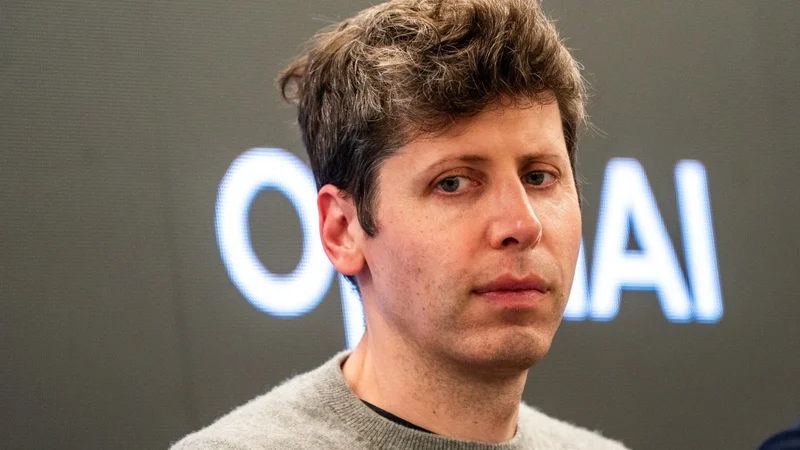
Image: TechCrunch AI
Main Takeaway
OpenAI CEO Sam Altman faced widespread ridicule online after suggesting parents use ChatGPT Work to generate daily personalized podcasts for their children instead of talking to them.
Jump to Key PointsSummary
The pitch that launched a thousand snarky replies
OpenAI CEO Sam Altman took to X on Friday with what he called a “cool use case” for the company's new product, ChatGPT Work. He suggested parents connect their family calendars and explain their kids' interests to the AI agent. Then, every morning on the drive to school, the system would generate a custom podcast covering one child's soccer game, another's upcoming birthday, and some news. The post, written in Altman's signature lowercase style, was meant to showcase a practical family application for OpenAI's tools.
The response was swift and overwhelmingly negative. According to Fortune, several snarky replies garnered far more likes than Altman's original post. The backlash wasn't just about the product idea, it touched a nerve about the role of AI in intimate family moments. Mashable characterized the pitch as using ChatGPT to generate podcasts about children's lives "in lieu of listening to them," framing the entire exchange as a tone-deaf misread of what parents actually need from technology.
Why Alex Hirsch's six-word question went viral
Cartoonist Alex Hirsch, creator of the animated series "Gravity Falls," crystallized the public's discomfort with a single reply: "What if you just talked to your children?" According to TechCrunch, Hirsch's response went even more viral than Altman's initial post. The question resonated because it exposed the core tension of the pitch: replacing human interaction with AI-generated content during a moment specifically designed for connection.
The backlash revealed a broader cultural anxiety. As Business Insider noted, Altman's concept of "cool" seemed to differ dramatically from the majority's. The criticism wasn't about the technology's capability but about the framing. Parents saw the suggestion not as a helpful tool but as a recommendation to outsource emotional labor to a machine. The moment transformed from a product endorsement into a referendum on what parents should prioritize during the limited time they have with their kids.
Altman's long history of parenting with AI
This wasn't Altman's first attempt to merge his professional and parental identities. A year earlier, TechCrunch reported on Altman's appearance on OpenAI's podcast where he described himself as "extremely kid-pilled." He admitted to "constantly" using ChatGPT to ask questions about his newborn's behavior during the first few weeks of his son's life. As the baby grew, he shifted to asking about developmental stages. Altman even remarked, "I don't know how I would've done that," referring to parenting without the AI assistant.
That earlier admission, while less controversial, established a pattern. Altman genuinely sees AI as a co-parenting tool, not just a productivity hack. The difference in reception between the two moments highlights a shift in public sentiment. Asking an AI why a baby is crying feels like a search query. Having an AI narrate a child's own life back to them in podcast form feels like a replacement for presence. The line between helpful and harmful is subjective, but the public drew it clearly this week.
ChatGPT Work and the blurring lines between office and home
The product at the center of this controversy is ChatGPT Work, which TechCrunch describes as OpenAI's newer product built for busy households and teams. It promises to produce "share-ready work," according to Fortune. Altman's pitch was effectively a domestic application of an enterprise tool: take the family calendar, feed it to an AI, and get a morning briefing for the car ride.
The framing matters. Altman presented this as a productivity win, a way to optimize the school commute. But the critics saw it differently. Mashable highlighted that the suggestion felt like replacing listening with broadcasting. The tool itself is technically impressive, but the use case exposed a philosophical rift between those who see AI as a way to offload cognitive tasks and those who see the parenting moments as irreplaceable human territory.
What this reveals about AI's cultural moment
The episode is less about one executive's bad tweet and more about the public's evolving relationship with AI. The technology has moved from novelty to utility, and with that shift comes heightened scrutiny of where it belongs. Altman's post landed in a moment when many people are already exhausted by the relentless push to integrate AI into every corner of life. The backlash wasn't technical, it was emotional.
Business Insider framed the incident as Altman being "dragged," a social media phenomenon where collective mockery overwhelms the original message. The story spread beyond tech circles because it touched a universal nerve: the fear that technology is eroding genuine human connection. Altman's defense, if he chooses to offer one, will need to address not the capability of the product but the values embedded in its use.
What happens next for Altman and OpenAI's consumer push
OpenAI is unlikely to abandon its consumer ambitions over a viral tweet, but the incident signals a communication challenge. Altman's personal brand is deeply intertwined with the company's, and his casual product endorsements carry weight. When they miss, they miss publicly. The company faces a delicate balancing act: promoting AI as a helper without appearing to advocate for replacing human relationships.
The broader takeaway is that AI companies are entering a phase where the public judges not just what the technology can do, but what it should do. Altman's podcast pitch became a symbol of overreach. Future product launches from OpenAI will be scrutinized through this lens. The question isn't whether AI can generate a personalized podcast about a child's life. The question is whether anyone should want it to.
Key Points
Sam Altman faced a viral backlash after suggesting parents use ChatGPT Work to generate daily podcasts about their children's lives.
Cartoonist Alex Hirschman's reply, "What if you just talked to your children?" went more viral than Altman's original post.
The backlash exposed public discomfort with AI replacing intimate parenting moments rather than augmenting them.
Altman previously admitted to constantly using ChatGPT for parenting advice about his newborn's behavior and developmental stages.
The incident reveals a growing public fatigue with AI being pushed into every corner of personal life.
Questions Answered
Sam Altman suggested parents connect their family calendars to ChatGPT Work to generate a daily personalized podcast for the school commute. The podcast would discuss each child's upcoming activities, like soccer games and birthdays, mixed with news.
The backlash centered on the idea that an AI-generated podcast replaces genuine parent-child conversation during a moment designed for connection. Critics saw the pitch as a tone-deaf push to automate intimate family interactions rather than a helpful tool.
Alex Hirsch, creator of the animated series "Gravity Falls," replied with "What if you just talked to your children?" The six-word response went more viral than Altman's original post, capturing the public's discomfort with the idea.
Yes, Altman previously described himself as "extremely kid-pilled" and admitted he constantly used ChatGPT to ask questions about his newborn's behavior during the first weeks of life. He later used it for questions about developmental stages.
The incident signals a messaging challenge for OpenAI as it promotes consumer AI products. The company must navigate promoting AI as a helper without appearing to endorse the replacement of human relationships, especially in sensitive areas like parenting.
Source Reliability
50% of sources are trusted · Avg reliability: 73
Go deeper with Organic Intel
Simple AI systems for your life, work, and business. Each one includes copyable prompts, guides, and downloadable resources.
Explore Systems