Meta Brings Muse AI Agent to Camera-Free Ray-Ban Glasses as Privacy Pressure Builds
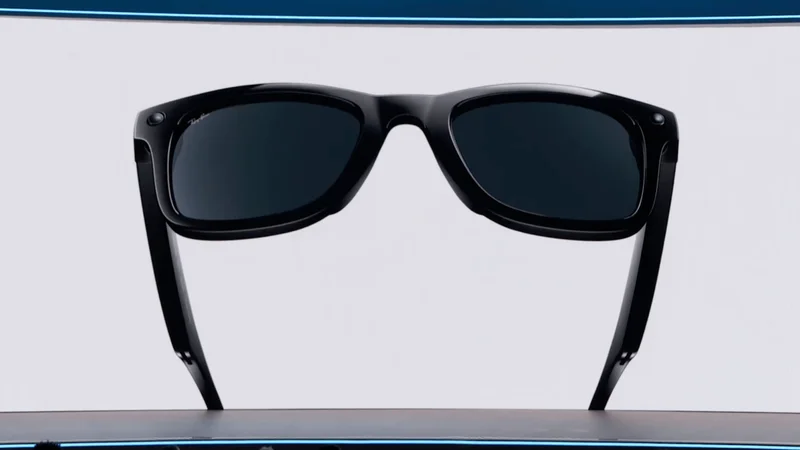
Image: TechCrunch AI
Main Takeaway
Meta is bringing its Muse AI agent to new camera-free Ray-Ban glasses priced at $349, pairing hands-free assistance with a privacy-focused hardware design.
Jump to Key PointsSummary
Meta adds Muse to glasses
Meta is bringing its newly launched Muse personal AI agent to smart glasses, extending the assistant from phones and messaging services into a hands-free wearable. The integration was announced at Meta Connect 2026 alongside new Ray-Ban Meta Audio glasses that remove the camera and start at $349.
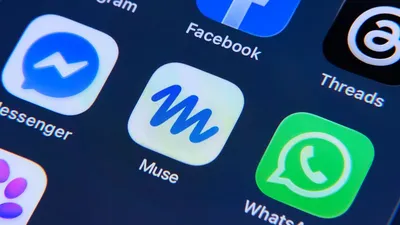
Muse launched only weeks earlier as Meta’s consumer AI push, with tools for answering questions, managing tasks and interacting across the company’s services. Its arrival on glasses gives Meta a direct way to turn an experimental agent into a daily interface, while the company also outlined a broader Muse rollout that includes video conversations and a separate wearable device. TechCrunch described the strategy as one of Meta’s largest consumer AI bets.
Camera-free hardware targets privacy
The camera-free Ray-Ban Meta Audio glasses address the privacy backlash surrounding wearable cameras while preserving the basic appeal of voice-based AI. Meta says the glasses are lighter than camera-equipped models and offer up to 12 hours of battery life, with built-in audio and access to Muse.
The design responds to a problem that has followed Meta’s smart-glasses business since the first Ray-Ban Stories launched in 2021: people nearby often can't tell when a wearer is recording. The new glasses remove that recording capability, although microphones and networked AI still create questions about audio capture, data handling and how clearly users understand when Muse is listening. Wired and The Verge framed the launch as Meta’s answer to the public discomfort around camera-equipped wearables.
Muse expands beyond chat
Muse is becoming a broader interface rather than a text-only chatbot. Meta is adding the agent to glasses, preparing video conversations with a visual Muse avatar and developing Muse Charm, a standalone device designed to work without a phone. The company is also adding features such as holographic interactions and Dolby Atmos support to its wider hardware ecosystem.
On glasses, the value proposition is immediacy. Users can speak to the assistant without reaching for a phone, making the device useful for directions, questions, reminders and other short exchanges. The approach places Meta in the same race as other companies building assistants that act across digital services, but the glasses give Meta a distribution advantage through its partnership with EssilorLuxottica and the Ray-Ban brand.
A wider wearable strategy
Meta’s Muse announcement sits inside a larger hardware push that includes camera-equipped smart glasses, the camera-free Ray-Ban Meta Audio line and a $1,299 lightweight VR headset designed to compete with Apple Vision Pro. Together, the products show Meta using different wearables for different levels of immersion, from discreet audio assistance to full virtual reality.
The company’s fashion-first approach has helped make its glasses more approachable than conventional headsets, Fortune wrote, while the Ray-Ban partnership supplies an established consumer brand and retail channel. Meta Neural Band glasses introduced in 2025 also established a path toward gesture control, including subtle hand movements that can replace some phone interactions. Muse adds the software layer that can connect these devices into a common personal-computing strategy.
What the launch means for users
The camera-free model gives consumers a more socially acceptable option for accessing AI in public, but it doesn't settle every trust issue. Removing the camera limits visual surveillance and recording, while microphones, cloud processing and an always-available assistant still require clear controls and visible status signals.
The $349 price places the glasses below Meta’s new VR hardware and within reach of consumers who want an AI accessory without buying a headset. Battery life, comfort, prescription-lens support and the accuracy of Muse will determine whether the product becomes a daily tool or another novelty wearable. Meta’s earlier glasses have benefited from familiar Ray-Ban styling, but sustained adoption will depend on whether Muse provides useful answers and completes tasks quickly enough to justify wearing another connected device.
The next test for Meta
Meta’s immediate challenge is proving that Muse belongs on the face. The company has assembled the key pieces: a recognizable glasses brand, camera-free hardware, longer battery life, an AI agent and a parallel standalone device. The next stage is shipping the products, expanding Muse’s capabilities and demonstrating that the assistant handles personal data responsibly.
Competition will intensify as companies pursue post-smartphone interfaces and agentic assistants. Meta’s head start in consumer glasses gives it a meaningful position, but privacy concerns remain attached to the category and AI reliability will shape repeat use. Muse’s success will be measured less by the novelty of talking to glasses than by whether people keep them on after the launch moment passes.
Key Points
Meta is bringing its Muse AI agent to $349 camera-free Ray-Ban smart glasses.
Camera-free hardware addresses recording concerns while retaining microphones and cloud-connected AI features.
Muse is expanding into video conversations, holographic interactions and a standalone phone-independent wearable.
Ray-Ban partnership gives Meta a fashion-led route into mainstream AI wearables.
Battery life, comfort, assistant accuracy and privacy controls will determine sustained consumer adoption.
Questions Answered
Meta’s camera-free Ray-Ban Meta Audio glasses are smart glasses that provide audio and Muse AI access without an onboard camera. They start at $349, weigh less than camera-equipped models and offer up to 12 hours of battery life.
Meta’s Muse will let users access its personal AI assistant through voice interactions on the glasses. The assistant is intended to answer questions and support hands-free tasks without requiring users to reach for a phone.
Meta removed the camera to address privacy concerns about people being recorded without their knowledge. The design limits visual recording, although microphones and cloud-based AI still create data and consent questions.
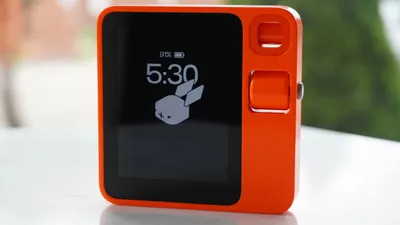
Meta Muse Charm is a standalone wearable being developed as another home for the Muse AI agent. The small device is designed to work without a phone and is expected to ship in 2026.
Meta must ship the camera-free glasses and prove that Muse is accurate, useful and trustworthy in daily situations. Consumer adoption will depend on comfort, battery life, privacy controls and the assistant’s ability to complete practical tasks.
Source Reliability
50% of sources are highly trusted · Avg reliability: 76
Go deeper with Organic Intel
Simple AI systems for your life, work, and business. Each one includes copyable prompts, guides, and downloadable resources.
Explore Systems