Report Claims China Recruited AI Executive to Target Nvidia CEO Jensen Huang, Beijing Denies Allegation
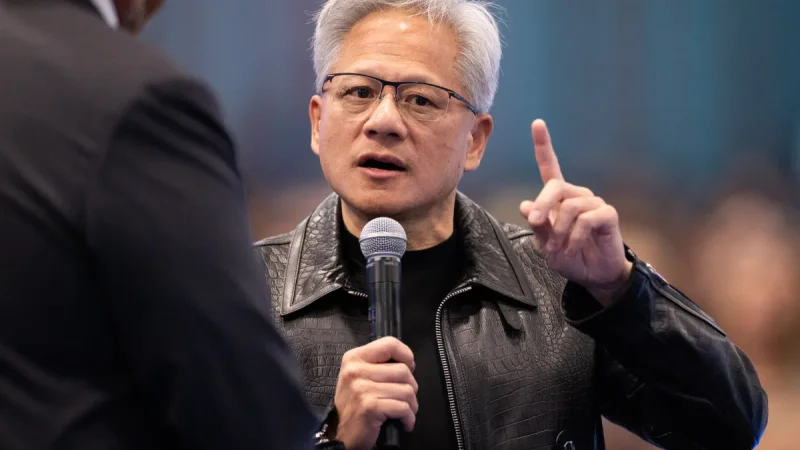
Image: TechCrunch AI
Main Takeaway
A US intelligence memo reportedly linked Megaspeed executive Alice Huang to an alleged Chinese effort targeting Nvidia CEO Jensen Huang, while Beijing rejected the claim.
Jump to Key PointsSummary
What the allegation says
A US intelligence memo reportedly claimed that China’s Ministry of State Security recruited Alice Huang, an executive at AI company Megaspeed, to spy on Nvidia CEO Jensen Huang. The allegation places one of the technology industry’s most influential executives at the center of a suspected intelligence operation involving access, relationships and information around Nvidia’s global business.
The New York Times first reported the alleged plot, and multiple outlets, including TechCrunch, The Verge, CNN and The Guardian, described the memo and the reported relationship between the 2 executives. The public accounts remain allegations. The available excerpts do not establish that Alice Huang carried out espionage or that Jensen Huang knowingly participated in an intelligence operation.
Why Jensen Huang matters
Jensen Huang’s position makes him a high-value figure in the technology and geopolitical contest over advanced computing. Nvidia supplies the graphics processors and software infrastructure used to train and run many leading AI systems, while US export controls have made the company’s dealings with China a matter of national-security concern.
The reported concern centers on Huang’s access to Nvidia’s strategy, customers and government relationships, as well as his engagement with Chinese business circles. CNN described US concern about close ties between Huang and a Chinese businesswoman. Coverage from The Times framed the relationship in more personal terms, but the public excerpts do not provide enough detail to independently assess that characterization.
Beijing rejects the claim
Chinese officials denied the alleged operation and dismissed the accusation as groundless. BBC, AFP and the South China Morning Post all reported Beijing’s rejection of the claim, giving the story a direct diplomatic dimension alongside its intelligence implications.
The denial creates a sharp divide between the reported US intelligence assessment and China’s public response. Nvidia also denied the report, according to ABC7 San Francisco, while other coverage placed the company at the center of an unfolding dispute over what officials knew and when they knew it. Neither the public excerpts nor the denials resolve whether the memo reflects a completed operation, an intelligence lead or an unsubstantiated assessment.
Nvidia faces a wider security test
The episode underscores the security pressures facing Nvidia as its chips, executives and commercial relationships become entangled with national policy. Nvidia operates across markets shaped by US restrictions on advanced semiconductor exports to China, making executive contacts and business diplomacy unusually sensitive.
For Nvidia, the immediate issue is credibility. The company must protect confidential information, maintain relationships in China and reassure US policymakers without validating an allegation it disputes. The story also highlights the broader exposure of AI companies whose employees, partners and executives move between commercial, technical and government networks.
What happens next
The central questions are whether US officials will release more evidence, whether Congress or intelligence agencies will investigate the alleged recruitment, and whether Nvidia or Megaspeed will provide fuller accounts of the relationship. Public reporting identifies Alice Huang as a Megaspeed executive, but the excerpts provide no detailed account of her response or of any charges.
The allegation also arrives at a politically sensitive moment. Yahoo Finance coverage said the connection was flagged before a summit between former President Donald Trump and Chinese President Xi Jinping, raising questions about how intelligence concerns intersected with high-level diplomacy. Until officials disclose supporting evidence, the case remains an unverified intelligence allegation rather than an established espionage finding.
Key Points
Nvidia CEO Jensen Huang was reportedly targeted through an alleged Chinese intelligence recruitment involving Megaspeed executive Alice Huang.
Chinese officials rejected the allegation as groundless, while Nvidia denied reports that Huang was targeted.
The reported memo has not publicly established that Alice Huang conducted espionage or that Jensen Huang knowingly assisted one.
US-China tensions over AI chips and export controls amplify scrutiny of Nvidia’s executive relationships and business contacts.
The case remains an unverified intelligence allegation pending evidence, official investigations and responses from the executives involved.
Questions Answered
Nvidia CEO Jensen Huang was reportedly identified as the target of an alleged Chinese intelligence operation. The claim came from a reported US intelligence memo, while China and Nvidia denied the allegation and public evidence remains limited.
Alice Huang is identified in reports as an executive at AI company Megaspeed. The reported US memo alleged that China’s Ministry of State Security recruited her to gather information on Nvidia CEO Jensen Huang.
China denied the allegation involving Jensen Huang and described it as groundless. BBC, AFP and the South China Morning Post reported the Chinese response, while Nvidia also denied reports that its CEO was targeted.
Jensen Huang leads Nvidia, a major supplier of chips and software for artificial intelligence systems. Nvidia’s technology, China business and exposure to US semiconductor export controls make its strategy and executive relationships highly sensitive.
The Jensen Huang spy case depends on whether US officials release supporting evidence or open a formal investigation. Nvidia, Megaspeed and Alice Huang could face further scrutiny as officials and journalists examine the reported memo and relationship.
Source Reliability
71% of sources are highly trusted · Avg reliability: 84
Go deeper with Organic Intel
Simple AI systems for your life, work, and business. Each one includes copyable prompts, guides, and downloadable resources.
Explore Systems