Blue Wave Midterms Put AI Infrastructure, Regulation and Investor Confidence Under Pressure
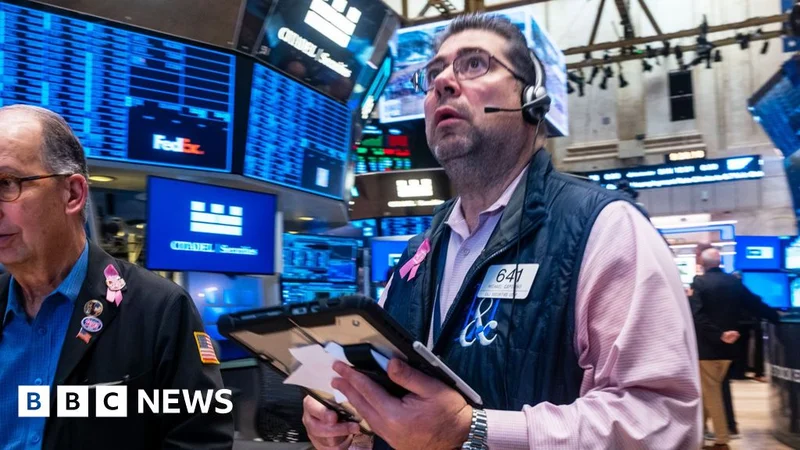
Image: Bbc
Main Takeaway
Democratic gains in the 2026 midterms sent the Nasdaq down 5.52% as voters and lawmakers moved to restrict data center growth and tighten AI oversight.
Jump to Key PointsSummary
The election’s immediate market shock
Democratic victories in the 2026 U.S. midterms triggered a sharp selloff in technology and artificial intelligence stocks, with investors pricing in tighter regulation and slower data center construction. The Nasdaq fell 5.52%, or 1,421.516 points, on Nov. 5, leaving the index more than 10% below its October peak and in correction territory, according to USA Today. The market reaction turned an election result into an immediate referendum on the economics of the AI boom.
The decline reflected more than one political development. Investors were already questioning high AI valuations, the pace of spending and whether revenue growth could justify enormous infrastructure costs. Alphabet, Nvidia, Meta and other major technology companies absorbed pressure as concerns about regulation joined existing doubts about the durability of the rally. NPR described the broader move as a $2 trillion market rout, while the BBC framed it as a possible reality check for the AI gold rush.
Data centers face the clearest test
Data center construction sits at the center of the new political conflict because AI systems require large amounts of electricity, water, land and grid capacity. Voters considered 41 data center-related ballot measures on Nov. 3, and restrictions won in all but one, according to TechCrunch. The results give local officials a direct mandate to scrutinize zoning, utility costs, environmental effects and the distribution of economic benefits.
Newly elected Democratic governors and members of Congress campaigned on moratoriums, tighter conditions or closer oversight of large facilities. AP described data centers as facing a post-election reckoning, while Fox17 reported that voters approved limits and elected officials who pledged to slow construction. The result creates a patchwork of local rules that can delay projects even when federal policy remains unsettled. Developers now face longer approval timelines, tougher negotiations with communities and greater pressure to fund power and infrastructure upgrades.
Regulation moves closer to Washington
The midterm results give Democrats control of both chambers of Congress, according to MacroMicro, strengthening the political case for federal action on AI safety, data center impacts and corporate accountability. The next two years will test whether lawmakers can turn campaign promises into legislation, oversight hearings, agency rules and funding conditions.
The policy agenda reaches beyond computing facilities. A stricter framework could address energy use, water consumption, labor effects, automated decision-making and the disclosure of AI risks. Business Insider characterized the vote as a backlash against data centers and Silicon Valley elites, while Fox17 reported that incoming lawmakers and governors favor tougher industry oversight. The breadth of those positions matters: companies won't face a single rule, but several overlapping demands from Congress, states and municipalities.
Companies face a higher cost of growth
AI companies and chip suppliers now have to defend infrastructure expansion as a public policy issue, not just a capital-spending decision. Restrictions on new facilities can limit access to electricity and delay the deployment of computing capacity, raising costs for cloud providers, model developers and customers competing for scarce hardware.
Nvidia and other chip companies face pressure because their growth depends on continued data center investment, while hyperscalers such as Alphabet and Meta must justify power use and local economic benefits. A slower construction cycle would also affect equipment suppliers, utilities, construction firms and communities that expected new jobs and tax revenue. The BBC reported that investor concerns had been building before the election, and TechCrunch tied the political shift directly to the data center debate. That combination makes the selloff a warning about business economics as well as regulation.
The boom meets a community veto
The ballot results show that resistance has moved from online criticism into local decision-making. Communities are weighing promised investment against electricity prices, water demand, noise, land use and whether facilities create enough permanent employment. The near-universal success of restrictive data center measures gives organizers and local officials a template for future campaigns.
That pressure can reshape where AI infrastructure is built. Projects may move toward regions with surplus power, clearer permitting rules or stronger political support, while companies may favor smaller facilities, efficiency gains and partnerships with utilities. AP and Fox17 both placed local opposition at the heart of the post-election reckoning. Business Insider connected the vote to broader resentment toward technology executives, making public trust a practical operating requirement for the industry.
What happens during the next two years
The immediate outlook is a slower, more contested expansion of AI infrastructure. Congress can investigate and legislate, states can impose conditions, and local governments can delay or reject individual projects. Investors will watch whether earnings, customer demand and efficiency improvements can offset higher permitting and power costs.
The political shift doesn't end AI development, but it changes the terms of growth. Companies will need clearer plans for energy, water, community benefits and safety oversight, while policymakers will face pressure to distinguish productive safeguards from rules that simply push investment elsewhere. Fast Company presented the midterms as a set of effects across the AI boom, and the market reaction reported by NPR and USA Today shows that investors are already treating those effects as financially material.
Key Points
Democratic midterm victories put AI data center expansion under heavier federal, state and local scrutiny.
Voters restricted data center development in 40 of 41 related ballot measures nationwide.
The Nasdaq plunged 5.52% as investors priced in slower AI infrastructure growth and tougher oversight.
Nvidia, Alphabet and Meta face rising pressure over computing demand, energy use and capital spending.
New permitting fights could redirect AI projects toward regions offering cheaper power and clearer rules.
Questions Answered
The 2026 midterms increased political pressure on AI companies and data center developers. Democratic control of Congress, restrictive local ballot measures and newly elected officials favoring tighter oversight raised expectations for slower, more regulated infrastructure growth.
AI stocks fell because investors feared that Democratic lawmakers and state officials would delay data center construction and impose higher operating costs. The selloff also reflected existing concerns about AI valuations, capital spending and the pace of commercial returns.
Voters approved restrictions in all but one of 41 data center-related ballot measures. The results give local governments greater political backing to impose zoning limits, construction conditions and requirements tied to power, water and community benefits.
The midterms won't stop AI data center construction nationwide, but they will make projects slower and more expensive in many jurisdictions. Companies can still build in supportive regions, yet they face more permitting reviews, infrastructure negotiations and public scrutiny.
Nvidia and other AI companies will need to account for tighter infrastructure rules, higher power costs and longer project timelines. Investors will focus on whether demand, efficiency gains and revenue growth can justify continued spending on chips and computing capacity.
Source Reliability
40% of sources are highly trusted · Avg reliability: 81
Go deeper with Organic Intel
Simple AI systems for your life, work, and business. Each one includes copyable prompts, guides, and downloadable resources.
Explore Systems