Palantir Manifesto Calls for AI Weapons and Military Draft as Selective Service Eyes Automation
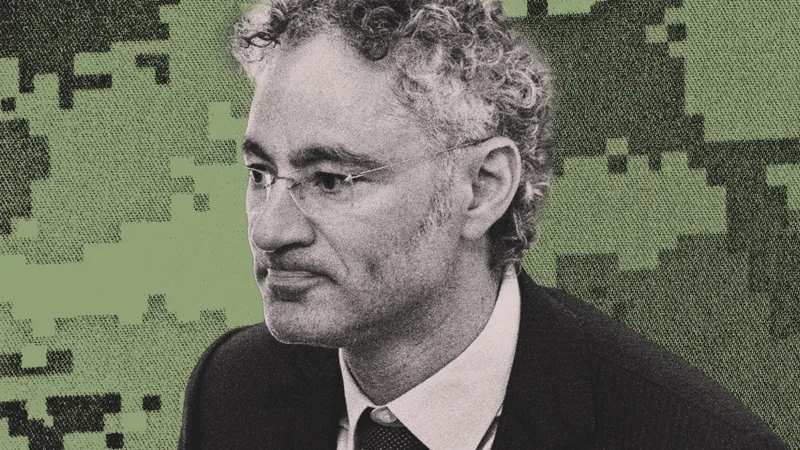
Image: Motherjones
Main Takeaway
Palantir's 22-point manifesto urges revival of military draft and massive AI weapons buildup as Selective Service prepares automatic registration system.
Jump to Key PointsSummary
Palantir's Controversial 22-Point Manifesto
Palantir Technologies, the $350 billion defense-tech giant, ignited controversy over the weekend by publishing a 22-point manifesto advocating for the return of military conscription and accelerated development of AI-powered weapons systems. The document, drawn from CEO Alex Karp's 2025 book "The Technological Republic," argues that America must abandon its all-volunteer military model and embrace universal national service to ensure shared sacrifice in future conflicts.
The manifesto crystallizes Palantir's hardline stance on national security, stating bluntly that "the question is not whether AI weapons will be built; it is who will build them and for what purpose." The company, which holds a $10 billion Army contract and has faced criticism for paying zero federal taxes, positions itself as the necessary bridge between Silicon Valley's engineering elite and America's defense establishment.
According to Fortune, the manifesto has already garnered 32 million views on X, reflecting both the company's significant platform and the polarizing nature of its proposals. The timing proves particularly provocative as the Selective Service System prepares to implement automatic registration starting in December 2026, a move that has sparked renewed debate about the future of military service in America.
What the Manifesto Actually Says About Military Service
The manifesto's core argument for conscription rests on a simple premise: shared risk creates better foreign policy decisions. "We should, as a society, seriously consider moving away from an all-volunteer force and only fight the next war if everyone shares in the risk and the cost," the document states, echoing themes from Karp's book co-authored with Palantir executive Nicholas Zamiska.
This represents a dramatic departure from America's military tradition since 1973, when the draft was ended following widespread opposition during the Vietnam War. The manifesto explicitly rejects what it calls "regressive cultures" that oppose military service, arguing instead that Silicon Valley owes a "moral debt" to the nation that enabled its rise.
The document frames conscription not as emergency wartime measure, but as fundamental civic obligation comparable to jury duty or voting. This reframing attempts to rehabilitate the concept of mandatory service by connecting it to democratic participation rather than unpopular foreign wars.
Why This Matters for Tech-Government Relations
Palantir's manifesto arrives at a critical inflection point in Silicon Valley's relationship with defense contracting. The document explicitly criticizes what it terms the "engineering elite" for focusing on "obsession-driven apps and social media platforms" while neglecting national security imperatives.
This represents a significant rhetorical shift from the industry's historical reluctance to engage with military applications, dating back to Google's controversial Project Maven contract in 2018. Palantir positions itself as the company willing to bridge this gap, arguing that technological innovation divorced from hard power becomes strategically irrelevant.
The manifesto's timing coincides with broader industry movement toward defense partnerships, as companies like Anduril and Shield AI secure major Pentagon contracts. However, Palantir's explicit call for conscription goes beyond typical defense contractor advocacy, suggesting a more fundamental reimagining of civil-military relations in the AI age.
The Impact on Enterprise AI Adoption
For corporate technology buyers, Palantir's manifesto raises immediate questions about the company's strategic positioning and potential reputational risks. The company's aggressive stance on military service and AI weapons could complicate enterprise sales to socially conscious organizations or international clients wary of US defense partnerships.
However, the manifesto also signals Palantir's intention to double down on its core defense and intelligence market rather than pursuing broader commercial expansion. This suggests enterprise customers should expect continued focus on high-security, government-grade solutions rather than consumer-friendly applications.
The controversy may particularly affect Palantir's international expansion efforts, especially in European markets where attitudes toward military conscription and AI weapons remain significantly more skeptical than in the United States.
What Happens Next
The Selective Service's December 2026 automatic registration rollout will provide the first test of public appetite for expanded military service obligations. Anti-war activists have already begun organizing against what they call a "dangerous data grab," setting up potential conflicts with Palantir's advocacy for more robust conscription systems.
Congressional response remains uncertain, as both parties face internal divisions on military service questions. While some Republicans support expanded national service programs, libertarian-leaning members strongly oppose conscription. Democrats similarly split between progressive anti-war factions and defense hawks supporting universal service.
Palantir's manifesto positions the company as a thought leader in defense technology policy, but also creates new political risks. As the company continues securing massive government contracts, its advocacy for controversial policies like conscription may invite increased scrutiny from oversight bodies and activist shareholders.
Historical Context and Precedent
The manifesto's arguments echo centuries-old debates about military service and democratic participation, dating back to Thomas Jefferson's 1777 letter warning that conscription would be "the most unpopular and impracticable thing that could be attempted." The Declaration of Independence itself listed forced conscription among grievances against King George III.
America's transition to an all-volunteer force in 1973 followed widespread opposition to Vietnam War conscription, with the Gates Commission concluding that volunteer forces proved more effective and less socially divisive. Previous attempts to reinstate the draft, including during the Gulf War and post-9/11 periods, failed due to overwhelming public opposition.
Palantir's framing attempts to circumvent this historical resistance by connecting conscription to technological advancement and shared civic responsibility rather than unpopular foreign interventions. Whether this rhetorical strategy proves more successful than previous efforts remains highly questionable given America's consistent rejection of mandatory military service.
The Broader Implications for AI Ethics
The manifesto's simultaneous advocacy for AI weapons and military conscription crystallizes growing tensions within AI ethics debates. By explicitly rejecting what it calls "theatrical debates" about AI weapons development, Palantir positions itself against the precautionary principles advocated by many AI researchers and ethicists.
This stance represents a direct challenge to voluntary industry standards like those proposed by the Future of Life Institute and Partnership on AI. The company's argument that "our adversaries will not pause" echoes Cold War logic used to justify nuclear weapons development, suggesting a potential arms race dynamic in AI military applications.
The conscription proposal adds another ethical dimension, as mandatory military service would likely require expanded AI training programs and potentially involuntary participation in AI weapons development. This raises questions about democratic consent for technological systems that may operate beyond human control or understanding.
Key Points
Palantir's 22-point manifesto explicitly calls for reinstating military conscription and developing AI weapons systems
CEO Alex Karp argues Silicon Valley owes moral debt to national defense and must prioritize military applications over consumer apps
Selective Service System prepares automatic registration rollout for December 2026 amid renewed conscription debate
Company's $350 billion valuation and $10 billion Army contract contrast with zero federal tax payments
Manifesto rejects historical opposition to conscription dating back to Declaration of Independence grievances
Questions Answered
The 22-point document calls for reinstating military conscription, developing AI weapons systems, and argues that Silicon Valley has a moral obligation to prioritize defense applications over consumer technology.
The Selective Service System plans to implement automatic registration starting December 2026, though this appears separate from Palantir's conscription advocacy.
Palantir holds a $10 billion Army contract and focuses on defense/intelligence applications, so expanded military service could increase demand for their data analysis and AI technologies.
The US ended military conscription in 1973 following Vietnam War opposition. Previous attempts to reinstate the draft during Gulf War and post-9/11 periods failed due to widespread public resistance.
The company argues that shared wartime sacrifice through conscription would lead to better foreign policy decisions, while AI weapons development is framed as necessary to compete with adversaries.
The manifesto has generated 32 million views on X, sparking controversy from anti-war activists and civil liberties groups who oppose both conscription and expanded military AI development.
Source Reliability
80% of sources are trusted · Avg reliability: 71
Go deeper with Organic Intel
Simple AI systems for your life, work, and business. Each one includes copyable prompts, guides, and downloadable resources.
Explore Systems