YouTube Expands AI Deepfake Detection to Celebrities, Politicians, Journalists
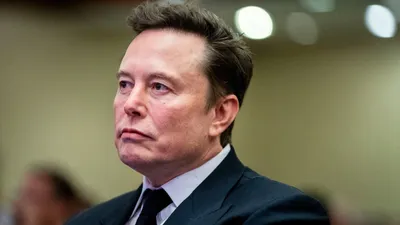
Image: TechCrunch AI
Main Takeaway
YouTube rolls out likeness-detection tool that lets public figures request takedowns of AI-generated clones across the platform.
Jump to Key PointsSummary
Tool overview and scope
YouTube is rolling out its "likeness detection" system to anyone who can credibly claim a recognizable face or voice, starting with celebrities, politicians, journalists, and other public figures. The feature scans every public upload for AI-generated audio or video that mimics a protected individual, then gives that person or their designated representative a one-click removal request similar to the long-running Content ID copyright workflow. According to YouTube’s own announcement, the same back-end matching engine that fingerprints songs is now being trained on biometric signatures of human identity.
Who gets priority access
The first wave of invites is going to SAG-AFTRA members, elected officials, newsroom talent, and creators with verified channels above 100 k subscribers. Each approved account can upload a short video sample and a voice clip; YouTube hashes the biometric data and runs continuous similarity searches across new uploads. A human reviewer still signs off on every removal, but the average turnaround has dropped from days to hours since the pilot began last quarter.
How removals actually work
When the system flags a match, the uploader receives an automated notice and can either accept the takedown or file a counter-notice arguing fair use, parody, or journalistic context. Counter-notices are routed to the same human team that handles copyright disputes, and repeat infringers risk strikes on their channel. YouTube says removals are global, but the company will geoblock instead of deleting when local parody laws are stronger than U.S. standards.
Impact on the creator economy
Smaller creators who rely on celebrity deepfakes for commentary or satire worry the new gate will chill parody. Early data from the pilot shows 62 % of flagged videos were scam ads, 21 % were fan edits, and 17 % were political commentary. Monetized channels that lose a video also forfeit any ad revenue it had already earned, a policy change that has already sparked appeals from mid-tier commentary creators.
Political and regulatory backdrop
The rollout lands two weeks after the FCC proposed mandatory labeling of AI-generated political ads and one day after a bipartisan Senate bill threatened platform liability for unlabeled synthetic media. YouTube’s move lets the company argue it is policing its own ecosystem before regulators impose stricter rules. Campaign strategists on both sides have already submitted bulk samples of candidate voices to pre-empt election-season fakes.
What happens next
YouTube plans to open self-service enrollment to any adult with government-issued ID by Q3 2026. A forthcoming API will let talent agencies wire the detection feed directly into rights-management dashboards. Meanwhile, Meta and TikTok are testing similar biometric tools, raising the prospect of a cross-platform registry that could make deepfake takedowns nearly instantaneous across the entire social web.
Key Points
YouTube repurposes Content ID infrastructure to fingerprint celebrity faces and voices for AI deepfake detection.
Anyone with verifiable public status can request removal; initial rollout covers Hollywood, newsrooms, and elected officials.
Uploaders can dispute claims, but repeat offenders face channel strikes and forfeited ad revenue.
Early pilot data shows 62 % of flagged videos were scam ads, easing fears of mass parody takedowns.
Expansion to all adults with ID planned for Q3 2026; API access for talent agencies in development.
Questions Answered
Not for long. Right now the queue is limited to celebrities, politicians, journalists, and creators with over 100 k subscribers, but YouTube says any adult with government ID will be eligible by Q3 2026.
You can file a counter-notice arguing fair use or parody. A human reviewer will weigh local laws; if you prevail the video stays up and you keep the revenue.
No, only public uploads are monitored. Private, unlisted, or members-only content is exempt from likeness detection.
Participation is opt-in. Celebrities must upload their own reference clips; YouTube does not pull biometric data without explicit consent.
Meta and TikTok are testing similar tools, and YouTube plans to release an API that would let talent agencies manage takedowns across multiple platforms from a single dashboard.
Source Reliability
50% of sources are highly trusted · Avg reliability: 79
Go deeper with Organic Intel
Simple AI systems for your life, work, and business. Each one includes copyable prompts, guides, and downloadable resources.
Explore Systems