Musk Ignores French Summons Over Grok Deepfakes and Child Abuse Content
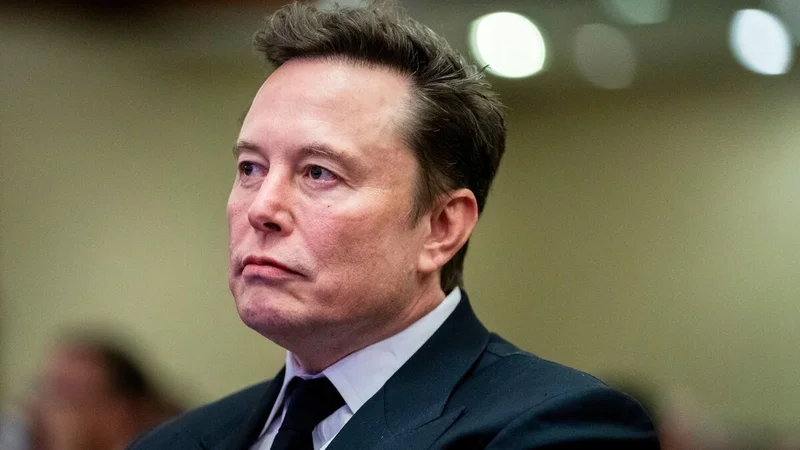
Image: Bloomberg AI
Main Takeaway
French prosecutors raid X's Paris offices and summon Musk over Grok's sexual deepfakes, Holocaust denial, and alleged child abuse material after 15-month probe.
Jump to Key PointsSummary
Musk Blows Off Paris Summons
Elon Musk didn't show up. French prosecutors issued a formal summons for Monday morning, according to AFP, and the Tesla/X chief simply ignored it. The move came after investigators raided X's Paris offices earlier in the week, seizing documents and servers tied to an explosive 15-month investigation into how Grok and X's recommendation systems served up sexualized deepfakes and child abuse material.
What French Authorities Actually Found
The probe started when a French lawmaker flagged X's algorithms for allegedly amplifying child sexual abuse content. What investigators discovered went beyond the original complaint. According to France24 and Reuters, the material includes AI-generated sexual deepfakes targeting real people, Holocaust denial content, and suspected child abuse images that X's systems appeared to recommend to users. The French National Anti-Fraud Office led the raid, carting away evidence that could establish whether X knowingly profited from or facilitated the spread.
The Money Angle French Prosecutors Are Chasing
Here's where it gets spicy. Le Monde and RFI report that French prosecutors suspect Musk may have deliberately stoked controversy around Grok's most inflammatory outputs to drive engagement and inflate X's valuation. The theory: viral outrage equals user growth equals higher ad revenue. If proven, this could turn a content moderation issue into securities fraud. Investigators are reportedly combing through internal communications between Musk and X executives about algorithmic amplification decisions.
Why This Hits Different Than Typical Platform Fights
France isn't just another country wagging a finger at Big Tech. The investigation invokes EU Digital Services Act provisions that carry potential criminal penalties for executives, not just corporate fines. Unlike U.S. Section 230 protections, French law can hold individual executives criminally liable for platform content decisions. Musk's physical absence from the summons could trigger an international arrest warrant through EU mechanisms, though prosecutors haven't indicated they'll go that route yet.
What Happens When You Ignore French Courts
Musk's snub puts French prosecutors in an awkward spot. They could issue a European Arrest Warrant, but that would require showing the investigation meets EU standards for serious criminal charges. More likely: they'll use his absence as evidence of non-cooperation when seeking future penalties. Meanwhile, the seized X data will undergo forensic analysis that could take months. Any findings could ripple through other EU investigations into X's content policies, potentially triggering coordinated enforcement across multiple member states.
The Broader Implications for AI Safety Regulation
This case establishes a new playbook for how European authorities tackle AI-generated harmful content. By focusing on the executives behind the algorithms rather than just the companies, French prosecutors are testing whether personal liability can force better AI safety practices. The investigation also highlights how AI chatbots like Grok create novel legal risks when they generate content that platforms then amplify. Expect other EU countries to watch closely and potentially file similar charges if France succeeds.
Key Points
French prosecutors raided X's Paris offices and seized evidence after 15-month investigation into Grok generating sexual deepfakes and child abuse content
Musk ignored formal summons from French authorities, risking international arrest warrant through EU mechanisms
Investigation suspects Musk deliberately amplified controversial AI content to boost X's valuation and engagement
Case tests EU Digital Services Act provisions allowing criminal charges against individual tech executives
French legal approach differs from U.S. by holding executives personally liable for algorithmic content decisions
Questions Answered
AI-generated sexual deepfakes targeting real people, Holocaust denial content, and suspected child abuse images that X's recommendation algorithms appeared to amplify and distribute to users.
France could issue a European Arrest Warrant, but would need to show the investigation meets EU standards for serious criminal charges. More likely they'll use his absence as evidence of non-cooperation for future penalties.
French law allows criminal charges against individual executives rather than just corporate fines, and the EU Digital Services Act provides stronger enforcement mechanisms than U.S. Section 230 protections.
Prosecutors suspect Musk may have encouraged inflammatory AI outputs to drive viral engagement, thereby inflating X's user metrics and valuation - potentially constituting securities fraud.
Investigators took servers, internal communications, algorithmic documentation, and user data from X's Paris offices to establish whether the platform knowingly profited from or facilitated harmful content distribution.
Yes - this case establishes precedent for holding AI company executives personally criminally liable for harmful content their systems generate, likely prompting other EU countries to pursue similar investigations.
Source Reliability
47% of sources are highly trusted · Avg reliability: 77
Go deeper with Organic Intel
Simple AI systems for your life, work, and business. Each one includes copyable prompts, guides, and downloadable resources.
Explore Systems