Kevin Warsh's $200 Million Portfolio Could Make Him Richest Fed Chair Ever
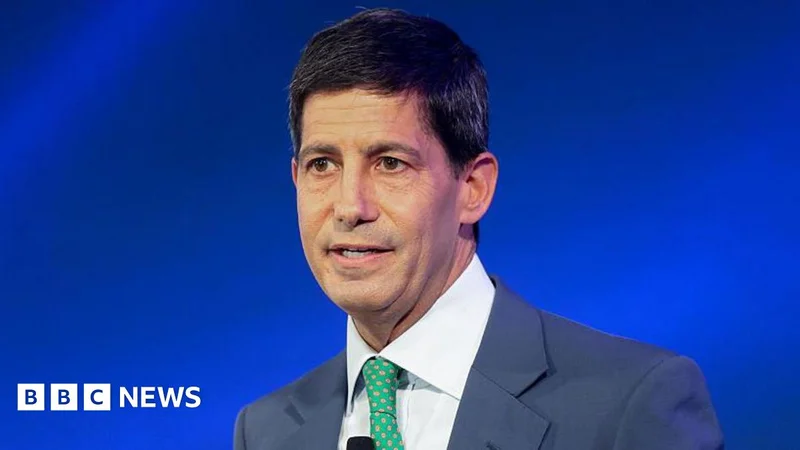
Image: Bbc
Main Takeaway
Trump's Fed chair nominee owns stakes in SpaceX, Polymarket, and crypto funds worth $131-209 million, dwarfing Powell's $19.5 million and raising conflict.
Jump to Key PointsSummary
The disclosure that rewrote Fed history
Kevin Warsh filed a 69-page financial disclosure that instantly made him a historical outlier: his net worth sits between $131 million and $209 million, enough to make him the wealthiest Federal Reserve chair in U.S. history if confirmed. The Office of Government Ethics report, released ahead of next week's Senate hearing, dwarfs outgoing chair Jerome Powell's $19.5 million and the previous record set by Ben Bernanke's roughly $2 million. Warsh's fortune spans Silicon Valley startups, crypto holdings, and direct stakes in some of tech's most controversial companies.
What's inside the $200 million portfolio
The filing reads like a venture capitalist's dream list. Warsh disclosed direct stakes in SpaceX and the prediction-market platform Polymarket, plus a web of crypto funds, AI startups, and private-equity vehicles. TradingView noted his positions resemble "a Silicon Valley pitch deck" more than a central banker's bond-heavy allocation. Exact dollar values are masked by government reporting bands, but the upper bound implies liquid assets alone could exceed the Fed's annual operating budget.
Why this matters for monetary policy independence
A Fed chair with nine-figure tech exposure sits awkwardly with an institution that regulates banks, fights inflation, and supervises the very markets where his companies raise capital. Washington Post highlighted that Warsh's SpaceX stake raises immediate questions about how the Fed would handle Elon Musk's banking relationships, while his Polymarket ownership intersects with the CFTC's turf on election betting markets. Senators will probe whether a half-billionaire can credibly tighten credit if it craters his own portfolio.
Senate math and confirmation risks
Republican sources told Fortune that Warsh himself "would not be the cause of any vote against his candidacy," but Democrats see a ripe target. PBS reported economists view the nomination with "cautious relief" because Warsh is a known quantity from his 2006-2011 stint as a Fed governor, yet his wealth offers an easy populist line of attack. The betting line on Polymarket—ironically, a platform he partly owns—currently gives him a 62 % chance of confirmation, down from 78 % last week.
What happens next
The Senate Banking Committee has yet to schedule the confirmation hearing, but staff are already requesting additional details on Warsh's crypto exposure and his wife's billionaire family trusts. CBS News expects fireworks when senators compare his private-jet lifestyle to Powell's understated government service. If he clears committee, a full Senate vote could come by late May, just as Powell's term expires. Either way, the disclosure resets expectations for how much personal wealth future Fed nominees can carry into the job.
Key Points
Warsh's $131-209 million net worth would make him the richest Fed chair in history, 6-10x wealthier than Powell
Disclosure shows direct stakes in SpaceX, Polymarket, crypto funds, and dozens of VC/PE vehicles
Wealth concentration creates unprecedented conflict-of-interest questions for bank regulation and market oversight
Senate confirmation hearing delayed as staff demand more details on crypto and family trust holdings
Polymarket betting odds on confirmation fell from 78 % to 62 % after disclosure release
Questions Answered
Between $131-209 million, which is roughly 7-10 times Jerome Powell's $19.5 million and more than 60 times Ben Bernanke's peak wealth.
The disclosure shows direct holdings in SpaceX and Polymarket, plus broad exposure to crypto funds, AI startups, and private-equity vehicles in Silicon Valley.
Critics argue significant tech and crypto holdings create conflicts when the Fed regulates banks, sets interest rates, or supervises markets where his companies operate.
The Banking Committee hearing is unscheduled but likely in late April, with a full Senate vote possible by late May when Powell's term expires.
Republicans remain supportive, but Democrats see a populist target; betting markets have lowered confirmation odds from 78 % to 62 % since the disclosure.
Source Reliability
43% of sources are highly trusted · Avg reliability: 80
Go deeper with Organic Intel
Simple AI systems for your life, work, and business. Each one includes copyable prompts, guides, and downloadable resources.
Explore Systems