OpenAI CFO Declares 'Vertical Wall of Demand' Amid Internal Target Questions
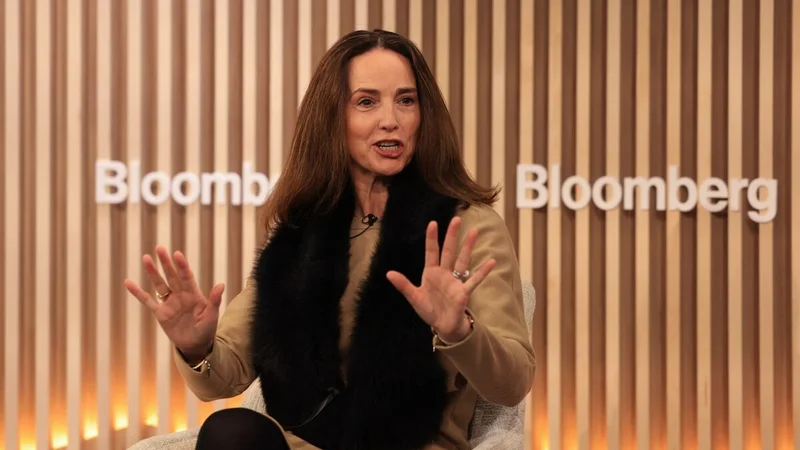
Image: Bloomberg AI
Main Takeaway
Sarah Friar pushes back on missed target concerns, claiming unprecedented demand surge across OpenAI's product portfolio.
Jump to Key PointsSummary
Why the CFO is pushing back now
Sarah Friar didn't mince words. The OpenAI finance chief told Bloomberg she's seeing "a vertical wall of demand" for the company's products, directly addressing whispers that the ChatGPT maker is falling short of internal targets. Her Thursday interview marks a rare public pushback against mounting skepticism about OpenAI's growth trajectory.
Friar's phrasing choice matters. "Vertical wall" isn't corporate speak, it's crisis language. She's describing demand so steep it feels like hitting a cliff face. This characterization stands in stark contrast to recent industry chatter suggesting OpenAI's explosive growth might be cooling.
The timing isn't accidental. Multiple sources tell Bloomberg that investors have grown nervous about whether OpenAI can sustain its meteoric rise. By going on record, Friar is attempting to reset the narrative before it solidifies into conventional wisdom.
What this signals about AI adoption
Friar's claim reveals more than OpenAI's internal metrics. When a CFO uses language like "vertical wall," she's describing enterprise customers who aren't just experimenting with AI, they're deploying it at scale, immediately. This suggests we've moved past the early adopter phase into mass market panic buying.
The "wall" metaphor implies something else: supply constraints. OpenAI likely can't provision compute fast enough. Every enterprise customer who gets access becomes a bottleneck for the next ten waiting in line. This dynamic explains why OpenAI keeps raising prices while adding usage caps.
This isn't unique to OpenAI. The entire AI infrastructure stack, from Nvidia's H100s to cloud providers, is straining under similar pressure. But OpenAI sits at the epicenter because they control the interface most businesses actually want to use.
Revenue implications for OpenAI
A "vertical wall" of demand translates to one thing: pricing power. OpenAI can effectively name its price right now, and enterprises will pay. This explains recent reports of ChatGPT Enterprise subscriptions costing $60 per user monthly, quadruple standard pricing.
More importantly, this demand curve suggests OpenAI's revenue model is working. Instead of racing to the bottom like previous software waves, AI appears to be racing upward. Enterprise buyers aren't negotiating, they're begging for access.
The CFO's confidence also hints at 2026 revenue figures that will likely shock observers. If demand truly resembles a vertical wall, OpenAI's $11.3B revenue projection for 2026 might prove conservative. The constraint isn't customer appetite, it's OpenAI's ability to scale compute and support infrastructure fast enough.
Impact on the competitive landscape
Friar's comments inadvertently validate every AI startup's pitch deck. When the market leader describes demand as a "vertical wall," they're confirming there's room for dozens of competitors to carve out niches. This isn't winner-take-all, it's winner-takes-a-lot, with plenty left over.
Google, Anthropic, and Microsoft must be watching this dynamic with mixed emotions. On one hand, OpenAI's pricing power proves the market exists. On the other, they're all fighting for the same scarce compute resources. The company that can provision GPUs fastest wins the next growth cycle.
This also explains why Amazon and Google keep pouring billions into AI infrastructure. They see the same demand curve Friar describes, but from the supply side. The cloud providers who can deliver reliable AI compute at scale will capture the next decade of enterprise spending.
What happens next
Expect OpenAI to accelerate infrastructure partnerships. The "vertical wall" means they need more compute yesterday, not next quarter. Recent deals with Microsoft Azure and Oracle Cloud suddenly make strategic sense, they're not just partnerships, they're emergency capacity agreements.
Watch for pricing normalization. Today's premium pricing won't last once supply catches up. The companies that lock in enterprise contracts now will maintain pricing power longer, but eventually, AI becomes commoditized like every other technology wave.
Most importantly, monitor enterprise deployment patterns. If Friar's "wall" description holds, we're about to see AI integration accelerate from pilot programs to full-scale deployment across Fortune 500 companies. The next six months will determine whether this is sustainable growth or a bubble about to burst.
Key Points
OpenAI CFO Sarah Friar publicly disputed concerns about missing internal targets by describing demand as a "vertical wall"
The characterization suggests enterprise AI adoption has shifted from experimentation to panic-scale deployment
Supply constraints, not demand, appear to be OpenAI's primary growth bottleneck
Premium pricing power continues as enterprises compete for limited AI access rather than negotiate costs
Competitive implications validate market size for multiple players while intensifying compute resource competition
Questions Answered
It describes customer demand so steep and immediate that it feels like hitting a cliff face — customers aren't gradually adopting AI, they're demanding immediate deployment at scale, creating supply bottlenecks rather than sales challenges.
Investor concerns about OpenAI's growth trajectory had gained momentum. By going on record, Friar is attempting to reset the narrative before skepticism becomes conventional wisdom among stakeholders.
A vertical demand curve gives OpenAI complete pricing power. Instead of competing on cost, they're effectively rationing access through higher prices and usage caps, explaining recent ChatGPT Enterprise pricing at $60 per user monthly.
This validates the entire AI market opportunity for competitors while intensifying competition for scarce compute resources. Cloud providers like Amazon, Google, and Microsoft see the same demand curve but from the infrastructure supply side.
The next six months of enterprise deployment patterns will determine whether this represents sustainable mass market adoption or an unsustainable surge that will normalize once supply catches up and AI capabilities commoditize.
Source Reliability
75% of sources are highly trusted · Avg reliability: 84
Go deeper with Organic Intel
Simple AI systems for your life, work, and business. Each one includes copyable prompts, guides, and downloadable resources.
Explore Systems