Olivia Walton Pledges $100 Million to Cut U.S. Maternal Deaths in Half Within Five Years
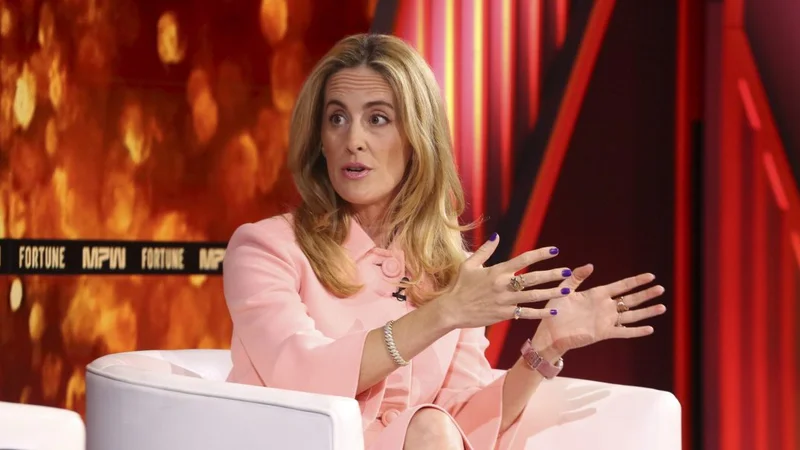
Image: Fortune AI
Main Takeaway
Olivia Walton is committing $100 million over five years to reduce U.S. maternal mortality by half after gaps in her own postpartum care exposed failures across the health system.
Jump to Key PointsSummary
A personal campaign takes shape
Olivia Walton is committing $100 million over 5 years to cut the U.S. maternal mortality rate in half through Healthy Moms, Healthy Babies America, the nonprofit she founded in April. The initiative draws on Walton’s experience as a mother of 3, when she encountered serious gaps in postpartum care despite access to substantial financial resources.
Walton, CEO of Ingeborg Investments and a member of the Walmart founding family, has framed the campaign as both a personal response and a national effort. Her pledge comes from her family’s multibillion-dollar fortune and places private philanthropy behind one of the country’s most persistent health challenges. Fortune described Walton’s goal as using “every tool in the toolbox” to improve maternal health.
The five-year target
The campaign’s central objective is measurable: reduce maternal deaths in the United States by 50% within 5 years. Walton and her husband, Tom Walton, announced an initial $100 million commitment, with the money directed through Healthy Moms, Healthy Babies America rather than a single hospital or medical program.
That structure gives the initiative a national scope. The pledge links Walton’s personal story to broader concerns about care before and after childbirth, including the postpartum period when serious complications can emerge. Public details about the campaign’s full grant strategy remain limited, but the stated target places outcomes, rather than a single donation, at the center of the effort. The commitment has been covered by Fortune, Arkansas Advocate and GlobeNewswire.
Postpartum care becomes the focus
Walton’s experience highlights postpartum care as a critical weakness in the U.S. maternal health system. She has said that she encountered inadequate support after giving birth, even with the money and connections associated with her family’s estimated $500 billion fortune. That gap shaped the direction of her philanthropy.
The campaign therefore addresses a period that extends beyond delivery-room care. Walton’s account places follow-up, access and continuity at the heart of the problem, while the initiative’s name signals a broader focus on mothers and babies together. Coverage from Fortune and related accounts presents the personal experience as the reason Walton moved from general philanthropy into maternal health advocacy.
Employers face pressure to act
Walton is also calling on employers to strengthen maternal and postpartum benefits. Her argument expands responsibility beyond doctors and hospitals to workplaces that shape insurance coverage, leave policies and access to support after childbirth.
Employer benefits can determine whether new mothers receive timely follow-up care, mental-health services and practical assistance during recovery. The campaign’s emphasis on employers gives the $100 million pledge a policy and business dimension, even as the nonprofit remains the vehicle for action. Fortune’s account places that appeal alongside Walton’s call to deploy multiple approaches rather than rely on one intervention.
Philanthropy meets a national crisis
The pledge arrives as maternal health remains a high-profile U.S. public-health concern, with disparities in access and outcomes driving calls for changes across care systems. Walton’s wealth gives the campaign unusual financial reach, but halving the national rate requires coordination among providers, employers, public agencies and community organizations.
The initiative also illustrates the limits and possibilities of private funding. A $100 million commitment can finance programs, partnerships and measurement, while the national target depends on adoption beyond Walton’s own organization. Coverage from Arkansas Advocate, GlobeNewswire and Fortune ties the effort to both the Walton family’s resources and the wider need for systemic action.
What happens next
Healthy Moms, Healthy Babies America must now translate its 5-year promise into defined programs, funding decisions and progress measures. The campaign’s credibility will depend on showing where the money goes, which communities it reaches and whether maternal deaths decline alongside improvements in postpartum care.
Walton has positioned the effort as a sustained national campaign rather than a one-time gift. The next phase will determine how the nonprofit works with employers and health organizations, and whether its approach produces results that can be scaled. For families, the practical test is whether mothers receive dependable support after childbirth, when Walton says the system failed her.
Key Points
Olivia Walton committed $100 million over 5 years to halve U.S. maternal mortality.
Healthy Moms, Healthy Babies America will direct the Walton family’s maternal-health philanthropy.
Walton’s own postpartum-care gaps shaped her national campaign for mothers and babies.
The initiative urges employers to expand benefits supporting pregnancy, recovery and postpartum care.
The campaign’s success depends on measurable reductions in maternal deaths across the United States.
Questions Answered
Olivia Walton is investing $100 million over 5 years through Healthy Moms, Healthy Babies America. The pledge aims to support a national campaign to reduce U.S. maternal mortality by half.
Olivia Walton started Healthy Moms, Healthy Babies America after experiencing gaps in postpartum care following the births of her children. Her experience shaped a broader effort focused on maternal and infant health.
Olivia Walton’s goal is to halve the U.S. maternal mortality rate within 5 years. The campaign links that target to better postpartum care, stronger employer benefits and coordinated health-system action.
Olivia Walton wants employers to improve benefits for pregnant employees and new mothers. Her campaign places workplace support, insurance access and postpartum resources alongside clinical care.
Olivia Walton’s nonprofit must turn the $100 million pledge into programs, partnerships and measurable outcomes. Its progress will depend on funding decisions, employer participation and evidence that maternal deaths decline.
Source Reliability
67% of sources are trusted · Avg reliability: 66
Go deeper with Organic Intel
Simple AI systems for your life, work, and business. Each one includes copyable prompts, guides, and downloadable resources.
Explore Systems