Judge Approves Anthropic's $1.5 Billion Settlement in Landmark AI Book Piracy Case
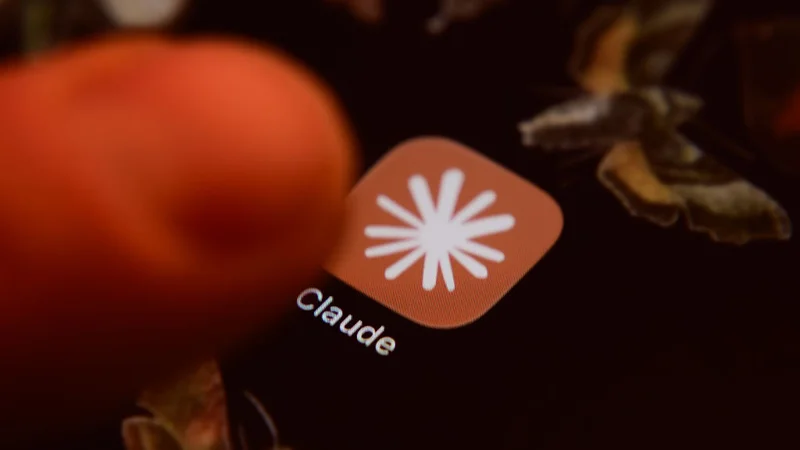
Image: TechCrunch AI
Main Takeaway
A federal judge gave final approval to Anthropic's $1.5 billion class action settlement with authors, ending the largest copyright case ever certified.
Jump to Key PointsSummary
The final green light for a historic payout
A federal judge on Monday gave final approval to Anthropic's $1.5 billion settlement with a class of authors and publishers, ending the largest copyright lawsuit ever certified against an AI company. The ruling by U.S. District Judge William Alsup means the AI lab can start cutting checks to authors whose books were used without permission to train its Claude models. The payout, structured at a minimum of $3,000 per infringed book, is being described by legal observers as the largest known copyright recovery in history.
The settlement resolves the class action Bartz v. Anthropic, which accused the company of downloading massive numbers of books from pirate sites to build its training datasets. According to Reuters, the final approval hearing on Monday cleared the last hurdle after a rocky year of judicial scrutiny. The Verge notes the $3,000 per book figure dwarfs typical copyright infringement recoveries, underscoring the scale of the alleged piracy.
Why the judge almost killed the deal
The path to approval was anything but smooth. In September 2025, Judge Alsup had preliminarily approved the deal, but then slammed the brakes during a hearing, rejecting the settlement over concerns that class action lawyers crafted a deal behind closed doors and would force it "down the throats of authors." The Verge reported at the time that the judge had an "uneasy" feeling about the terms, particularly the opt-out mechanisms and transparency around how authors were notified.
Ars Technica later revealed that only 350 authors ultimately opted out of the class, a remarkably low number given the size of the class. That low opt-out rate likely helped convince the court that the settlement had broad support. The Copyright Alliance characterized the final deal as a huge victory for authors, noting it addresses past infringements without granting Anthropic any license to use the works going forward.
What authors actually get
Under the terms of the settlement, authors whose books were included in the pirated training data receive a minimum of $3,000 per book, with a total fund of $1.5 billion established to cover claims. CN reported that official settlement notices began going out to authors in October 2025, directing them to a claims portal where they could verify their eligibility and submit payment details. The Copyright Alliance emphasized that the settlement does not grant Anthropic permission to continue using the copyrighted works; it only resolves past infringement claims.
The claims process itself is straightforward: authors receive a notice with a unique ID, verify their works are on the list of infringed titles, and file for payment. The per-book amount is fixed, not dependent on how many people file claims, which means the total payout could exceed $1.5 billion if more books are verified than initially estimated. Reuters confirmed that Anthropic has already set aside the funds to cover all anticipated claims.
A precedent without a rule
Legal experts across multiple outlets agree on one thing: this settlement resolves a single case but answers none of the broader copyright questions hanging over the AI industry. TechCrunch notes that the settlement closes the Bartz lawsuit without establishing any legal precedent on whether training AI models on copyrighted works constitutes fair use. The court didn't rule on the merits; Anthropic simply paid to make the problem go away.
The Copyright Alliance points out that the settlement's structure is significant precisely because it doesn't require authors to license their works for future AI training. This contrasts with licensing deals other AI companies have struck with publishers, where payment often comes with a perpetual license. Ars Technica's coverage highlighted that the AI industry was horrified when this class was first certified, recognizing it as a potential blueprint for future litigation. By settling, Anthropic avoided a trial that could have produced damaging case law for the entire sector.
Who gets paid and how to claim
Authors whose works were included in the settlement class should have received official notices by now. The process is straightforward: check the notice against the list of infringed books, verify your identity, and file a claim through the designated portal. CN published a guide detailing the steps, noting that the claims period opened shortly after preliminary approval in September 2025 and remains open for a set window.
The class is defined broadly, covering authors and publishers whose works appeared in the shadow library datasets that Anthropic allegedly used. With only 350 opt-outs from a class likely numbering in the thousands, the overwhelming majority of affected authors are participating. The Copyright Alliance advises authors to consult the official settlement website for deadlines and required documentation.
The bigger picture for AI and copyright
The Anthropic settlement is the largest payout in U.S. copyright law history, but it's almost certainly not the last. Other AI companies face similar lawsuits from authors, artists, and news organizations. The case demonstrates that class action mechanisms can produce massive settlements even without a court ruling on fair use. But it also shows the limits: a $1.5 billion check doesn't establish what's legal, only what a defendant is willing to pay to avoid a trial.
For the AI industry, the message is mixed. The settlement removes a major legal threat for Anthropic, but it also puts a price tag on training data piracy that other plaintiffs will cite in their own cases. For authors, the immediate outcome is a significant financial recovery, but the underlying question of whether AI companies can use copyrighted works for training remains unresolved. Judge Alsup's approval closes one chapter of the AI copyright wars, while leaving the rest of the book wide open.
Key Points
Anthropic's $1.5 billion settlement with authors received final judicial approval, ending the largest AI copyright class action ever certified.
Authors will receive $3,000 per book that Anthropic illegally downloaded from pirate sites to train its Claude AI model.
Only 350 authors opted out of the settlement, a low number that helped convince the judge to approve the deal.
Judge William Alsup initially rejected the settlement over transparency concerns, pausing the process for months before final approval.
The settlement resolves past infringement claims but establishes no legal precedent on whether AI training on copyrighted works is fair use.
Questions Answered
Authors will receive $3,000 for each of their books that were included in the pirated training data used by Anthropic. The total settlement fund is $1.5 billion, making it the largest copyright recovery in U.S. history.
Judge William Alsup paused the settlement in September 2025 because he had an uneasy feeling that class action lawyers negotiated the deal behind closed doors and would force it on authors without proper transparency. He wanted to ensure authors had a genuine opportunity to understand and opt out of the settlement.
No, the settlement does not establish any legal precedent. It resolves past infringement claims without a court ruling on whether using copyrighted books to train AI models constitutes fair use. The settlement only addresses the specific case and does not grant Anthropic future rights to use the books.
Authors who are part of the settlement class receive an official notice with a unique ID. They then visit the designated claims portal, verify their books are on the list of infringed works, and submit their claim for the $3,000 per book payment. The claims period opened in October 2025.
Only 350 authors opted out of the settlement class, according to Ars Technica. This low number of opt-outs helped demonstrate broad class support and contributed to the judge's final approval of the deal.
Source Reliability
40% of sources are highly trusted · Avg reliability: 68
Go deeper with Organic Intel
Simple AI systems for your life, work, and business. Each one includes copyable prompts, guides, and downloadable resources.
Explore Systems