Nike’s Converse Problem Deepens as Sales Slide and Analysts Question the Brand’s Future
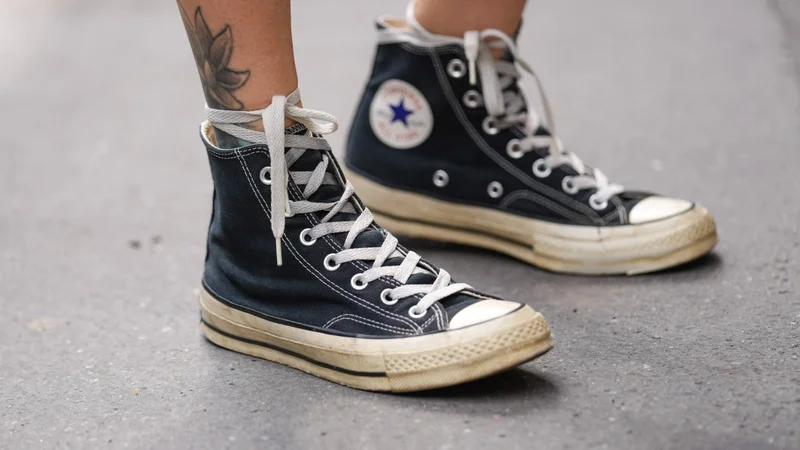
Image: Fortune AI
Main Takeaway
Nike’s Converse sales fell 28% last quarter, turning the 118-year-old sneaker label into a disproportionate drag on the company’s stalled turnaround.
Jump to Key PointsSummary
Converse is deepening Nike’s slowdown
Converse has become a small brand with an outsized effect on Nike’s stalled recovery. The label represents about 2.5% of Nike’s sales, yet its 28% decline in the latest quarter contributed roughly 20% of Nike’s overall sales decline. That imbalance has pushed analysts to question whether Nike can restore the brand or whether it should sell it.
The pressure arrives about 2 years into Elliott Hill’s tenure as Nike chief executive, when investors are looking for evidence that the company’s turnaround is gaining traction. Converse’s prolonged slump gives them a particularly visible problem: a famous label with broad recognition, but limited recent momentum. Coverage from Fortune, Yahoo Finance, WWD and Retail Dive has converged on the same issue, with the brand’s future now part of the wider debate over Nike’s portfolio.
One shoe still carries the brand
Converse’s dependence on the Chuck Taylor is central to the problem. The canvas sneaker has remained culturally durable for generations, but its heavy, stiff construction and vulcanized rubber sole fit poorly with current demand for lighter, more technical footwear. Analysts cited by Fortune describe the brand as overly reliant on a single model and unable to generate enough innovation around it.
That concentration makes every shift in consumer taste more damaging. Chuck Taylor has moved in and out of fashion before, but the current downturn has lasted longer and cut deeper than a normal style cycle. Converse has introduced variations and adjacent products over time, yet the core franchise remains the part consumers most readily associate with the label. WWD’s coverage frames the next phase around what the company can do with that heritage, while Retail Dive places the question within a broader struggle among legacy sneaker brands.
Analysts are testing a sale thesis
The possibility of a sale has moved from a distant portfolio question to a subject of active analyst commentary. One analyst characterized the brand’s demand decline as unprecedented in their experience, while other coverage asks directly whether Nike is ready to divest the label. The discussion reflects Converse’s weak performance, not an announced transaction.
Nike paid $305 million for Converse in 2003, acquiring a brand with deep cultural equity and a powerful connection to basketball and streetwear history. A sale would force Nike to decide how much that heritage is worth after years of weak demand. Keeping Converse would preserve a recognizable global name and give Nike another chance to rebuild it. Selling would remove a persistent drag and let management focus capital and attention on businesses with stronger growth prospects. WWD and Finance Yahoo both present the sale as an analyst-driven possibility rather than a confirmed company plan.
The problem reaches beyond Converse
Converse’s decline fits a broader correction in established sneaker brands. Vans, owned by VF Corp, has also struggled, showing that the pressure extends beyond Nike’s portfolio. Consumers are rewarding comfort, performance features and refreshed silhouettes, while brands built around a small number of heritage styles face a harder task keeping older products culturally current.
For Nike, the issue is strategic as much as financial. Converse is too small to determine the company’s results by itself, but its contribution to Nike’s decline makes the brand difficult to ignore. The label also tests Hill’s willingness to make portfolio decisions while the parent company works through its own sales and product challenges. If Nike cannot produce a convincing product reset, analysts will keep treating Converse as a candidate for divestiture rather than as a growth engine. That tension appears across the Fortune, Retail Dive and WWD coverage.
What Nike must decide next
Nike’s immediate decision is whether Converse deserves another turnaround effort or a place on the sale block. A credible recovery plan would need to broaden the product range without stripping away the Chuck Taylor’s identity, refresh the brand’s relevance and reduce its reliance on a single iconic silhouette.
The timing matters because every additional weak quarter strengthens the case for separation. A sale could attract buyers interested in Converse’s heritage, distribution and name recognition, but a weak operating trajectory would weigh on valuation. Continued ownership gives Nike more control over a potential revival, but it also requires investment and management focus during a broader corporate turnaround. No source identifies a completed sale or formal announcement, so the confirmed fact is the performance decline and the analyst debate around it. The next meaningful signal will come from Nike’s portfolio strategy, Converse’s product results and evidence that demand is returning.
Key Points
Nike’s Converse sales fell 28%, making the small brand a disproportionate drag on Nike’s turnaround.
Converse represents 2.5% of Nike sales but contributed about 20% of the company’s latest sales decline.
Chuck Taylor dependence leaves Converse exposed as shoppers favor lighter, more technical sneaker designs.
Analysts are debating whether Nike should sell Converse after an unusually long and deep downturn.
Nike paid $305 million for Converse in 2003 and now faces a portfolio decision.
Questions Answered
Converse sales fell 28% because the brand remains heavily dependent on Chuck Taylor sneakers while shoppers favor lighter, more technical footwear. Analysts also point to limited innovation and an unusually prolonged style downturn.
Nike has not announced a sale of Converse. Analysts and retail publications are debating a possible divestiture because the brand’s weak performance is placing a disproportionate drag on Nike’s results.
Converse represents about 2.5% of Nike’s sales but accounted for roughly 20% of the company’s latest sales decline. The contrast makes the brand strategically significant despite its small revenue share.
Chuck Taylor gives Converse its strongest identity but leaves the brand reliant on an aging product formula. Its heavy construction and vulcanized rubber sole are out of step with current demand for lighter, comfort-focused sneakers.
Nike must decide whether to invest in a product and brand revival or pursue a sale. Future quarterly results, new product traction and Nike’s portfolio strategy will determine whether Converse remains part of the company.
Source Reliability
60% of sources are trusted · Avg reliability: 70
Go deeper with Organic Intel
Simple AI systems for your life, work, and business. Each one includes copyable prompts, guides, and downloadable resources.
Explore Systems