Iran Ties Strait of Hormuz Reopening to U.S. Concessions as Red Sea Attacks Deepen Shipping Crisis
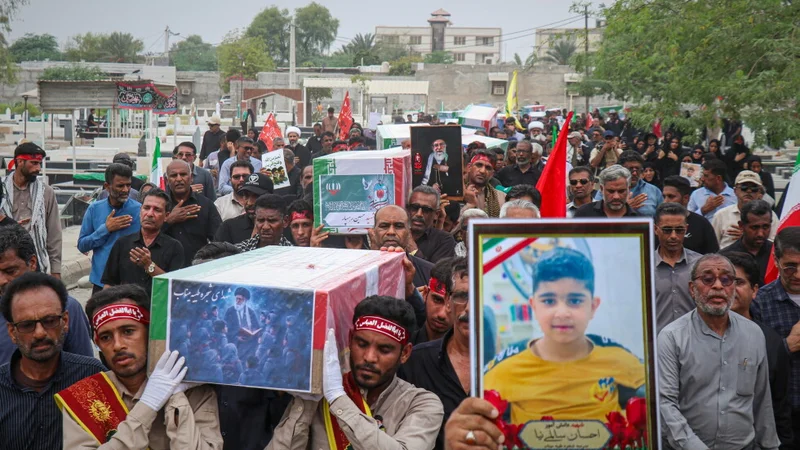
Image: Apnews
Main Takeaway
Iran has tied reopening the Strait of Hormuz to U.S. concessions, while Houthi attacks on Red Sea shipping threaten wider energy and trade disruption.
Jump to Key PointsSummary
Iran sets conditions for reopening
Iran has tied the reopening of the Strait of Hormuz to concessions from the United States, making access through the vital waterway part of wider negotiations over the war. The Hindu reports that Foreign Minister Abbas Araghchi said Tehran isn't holding direct talks with Washington while the United States breaches an interim agreement signed in June, although intermediaries are carrying messages.
Deutsche Welle reports that Iran's Foreign Ministry reiterated several demands before reopening the strait. MS NOW, citing an unnamed senior Iranian official, identifies the demands as the unfreezing of Iranian funds and assets and an end to fighting in Lebanon, alongside conditions Iran says were included in the June memorandum of understanding.
The demands extend beyond shipping
Iran's position links maritime access to sanctions relief, the implementation of a June understanding and the broader conduct of the conflict. The issue therefore reaches beyond a commercial passage: Tehran is seeking material and political concessions before restoring normal traffic through one of the world's most important energy chokepoints.
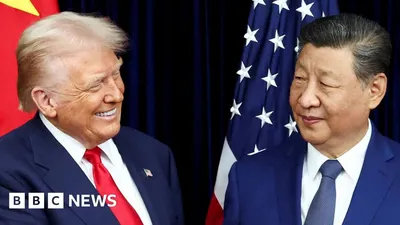
The Associated Press reports that Iran also wants reparations for destruction caused by five months of U.S. and Israeli bombardment. President Donald Trump rejected that demand, saying Iranian negotiators hadn't raised it until recently. Fortune reports that the dispute over compensation is colliding with Iran's separate demand for sanctions relief, creating a negotiation in which each side is pressing the other to pay for wartime damage.
Washington rejects Tehran's terms
The United States has rejected Iran's reparations demand, and President Trump has answered with a counterclaim that Iran should pay for deaths caused by decades of conflict involving Americans. AP describes Trump's response as a public dismissal of Tehran's request, while Fortune reports that the exchange has hardened the dispute over what an eventual settlement should contain.
The Hill reports that a proposed Iran-Oman arrangement to reopen the strait is at risk because of demands from both Tehran and Washington. The Hindu's account of indirect messages and the absence of direct talks reinforces the central obstacle: the parties are communicating, but the channel lacks an agreed sequence for sanctions relief, military restraint, compensation and reopening.
Red Sea attacks widen the pressure
Shipping risks are spreading beyond Hormuz as Iran-backed Houthi forces strike vessels and infrastructure around the Red Sea. AP and PBS reported in July that the Houthis attacked 2 Saudi oil tankers while U.S. forces conducted successive nights of strikes against Iran. International oil prices topped $100 a barrel in the PBS account, underscoring how quickly attacks on maritime routes translate into energy-market pressure.
The BBC reported that the tanker Encelia caught fire after being hit, while NBC News described the threat to the Bab el-Mandeb passage as a second possible bottleneck for global trade. Fortune reported that Houthi forces later attacked the port of Mokha and an oil facility in southwestern Saudi Arabia.
Energy markets face a dual chokepoint
The combination of a closed or restricted Hormuz and renewed violence near the Red Sea puts pressure on separate routes serving the energy trade. Hormuz carries major volumes of oil and gas from the Persian Gulf, while Bab el-Mandeb connects the Red Sea with the Gulf of Aden and supports shipping between Europe and Asia.
NBC News reported that disruption at both passages would raise fuel prices and add domestic political pressure on the Trump administration. AP described the Houthi attacks as a development that could widen the war, and Fortune reported that fresh Yemen violence was raising fears about threats to regional shipping lanes. The immediate stakes include tanker insurance, routing decisions, freight costs and the availability of energy supplies.
What happens next
The next test is whether Iran and the United States can convert indirect messages into a verified sequence of commitments. Deutsche Welle and The Hindu report that Tehran is withholding reopening while demanding U.S. action, while The Hill reports that the Iran-Oman arrangement is already under strain. Trump’s rejection of reparations, documented by AP, leaves little evidence of agreement on the most contentious financial issue.
The regional military picture adds urgency. The BBC and AP report continued U.S. strikes and Houthi attacks, while Fortune reports fresh attacks on Yemeni and Saudi targets. A reopening announcement would need credible guarantees for vessels and evidence that the terms are being implemented. Until then, ship operators, energy buyers and governments must treat Hormuz and the Red Sea as connected risks in a conflict that is still expanding across trade routes.
Key Points
Iran has conditioned Strait of Hormuz reopening on U.S. sanctions relief and additional wartime concessions.
President Donald Trump rejected Iran’s reparations demand and countered with claims against Tehran.
Houthi attacks on Saudi tankers threaten simultaneous disruption across the Red Sea and Hormuz.
U.S. strikes on Iran and renewed Yemen violence are intensifying risks for regional shipping.
A proposed Iran-Oman reopening arrangement remains stalled amid competing demands from Tehran and Washington.
Questions Answered
Iran is refusing to reopen the Strait of Hormuz until the United States meets demands tied to sanctions relief and the June interim agreement. Reported conditions include unfreezing Iranian assets, ending fighting in Lebanon and addressing wartime compensation.
Iran wants the United States to provide concessions that Tehran says were included in a June memorandum of understanding. Those demands reportedly include releasing frozen funds and assets, sanctions relief, an end to fighting in Lebanon and reparations for bombardment damage.
Donald Trump rejected Iran’s demand for reparations and said Iranian negotiators hadn't raised it until recently. Trump also argued that Iran should compensate the United States for deaths linked to decades of conflict.
Houthi attacks are connected to the wider regional conflict and create a separate shipping threat in the Red Sea. Strikes on Saudi tankers, Yemen's Mokha port and a Saudi oil facility raise the risk of simultaneous disruption at Hormuz and Bab el-Mandeb.
Extended disruption at both routes would increase pressure on oil prices, tanker insurance, freight costs and global supply chains. Shipping companies would face longer rerouting decisions while energy markets absorb reduced access through 2 major regional passages.
Source Reliability
64% of sources are highly trusted · Avg reliability: 80
Go deeper with Organic Intel
Simple AI systems for your life, work, and business. Each one includes copyable prompts, guides, and downloadable resources.
Explore Systems