Google Rolls Out AI Avatar Tool Letting Users Generate Deepfake Videos of Themselves
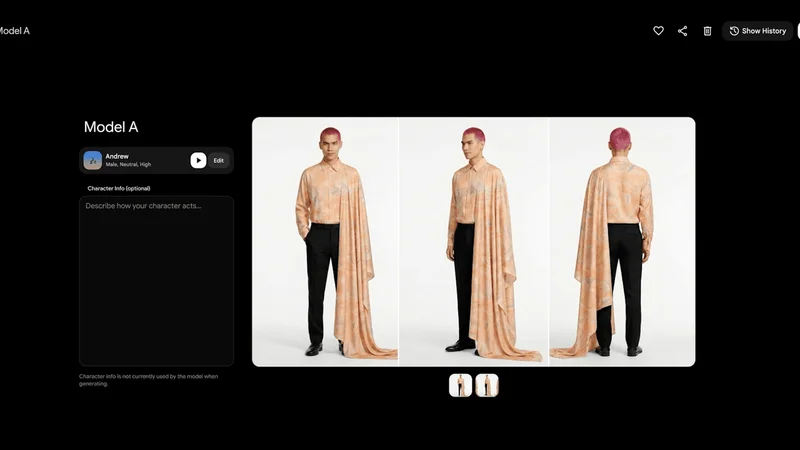
Image: Wired AI
Main Takeaway
Google launched AI avatars in Gemini and YouTube, letting users clone their likeness into generated videos with just a photo scan.
Jump to Key PointsSummary
How the avatar feature works
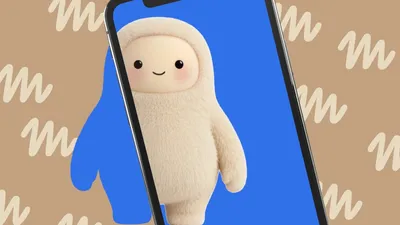
Google's new avatar tool lives inside Flow, the company's AI creation software, and is also accessible through the Gemini app and YouTube. Users scan their face and voice to create a digital clone that can be inserted into AI-generated video clips. The process takes minutes, not hours. Elias Roman, vice president of product management at Google Labs, demonstrated inserting his scanned likeness into any videoclip he wanted using Google's new Omni Flash model. The tool targets creators who want personal presence in content without filming themselves.
The output is strikingly realistic. A Wired reporter who tested the feature described singing to a CGI dinosaur in a park, with the avatar matching his appearance and voice closely enough to feel uncanny. Google positions this as the future of content creation, but early testers report mixed reactions between convenience and discomfort.
What Google built into the product
The avatar system runs on Google's Omni Flash video model, part of a broader overhaul of Flow that combines realism, style control, and natural-language editing. Users can generate short videos featuring their digital twin in scenarios they never filmed. The integration spans multiple Google properties, Gemini for consumer access, Flow for creation, and YouTube Shorts for distribution. This is not a standalone experiment but a coordinated push across Google's creative stack.
Google frames the control mechanism as user-centric. Only the person who creates an avatar can generate content with it, according to company statements. The avatar data stays tied to the originating account. Whether this technical safeguard holds against determined misuse remains an open question that security researchers will likely probe.
The platform expansion to YouTube
YouTube creators received direct access to avatar generation through a dedicated tool for Shorts. Google described the feature as creating a digital version of yourself so you can generate videos that look and sound like you, safely and securely. The Shorts integration matters because it drops the friction between creation and publication, millions of creators can now produce personalized content at scale without setting up cameras, lights, or schedules.
This represents a significant bet on synthetic media as a core creator tool rather than a novelty. YouTube's massive user base gives Google unmatched distribution for testing adoption curves. The platform's existing content moderation infrastructure will face new pressure as avatar-generated videos proliferate and blend with traditionally filmed material.
Why the timing raises eyebrows
Google's avatar launch arrives as the company pursues aggressive AI productization across its consumer and enterprise lines. The feature echoes capabilities from specialized startups, HeyGen offers corporate avatar training, while Jotform markets business-focused avatar creation. Google's move bundles similar functionality into free or bundled services that already reach billions of users. Competitive pressure from OpenAI's Sora, Runway, and other video generation tools likely accelerated the rollout timeline.
The deepfake framing is intentional and uncomfortable. Google's own executives use the term in private demonstrations, even as public messaging emphasizes creator empowerment. This tension between capability and consequence sits unresolved. The technology's most obvious use cases, personal branding, entertainment, and marketing, sit adjacent to more troubling applications that existing policies may not address.
What developers are already building
Early technical adopters moved fast. One developer documented cloning themselves in two minutes to answer Gemini API questions through a workflow they called Happyverse 2.0. The experiment tested whether an AI twin could handle technical queries about Google AI Studio and Gemini APIs with enough accuracy to pass as the real person. The results suggest near-term viability for automated personal representation in narrow domains.
This developer interest signals where avatar technology heads next. Static video generation gives way to interactive, task-performing digital agents. Google's current avatar produces pre-rendered clips. The adjacent possibility, real-time responsive avatars handling live conversation, requires only incremental technical advances. Companies building customer service, education, and healthcare applications are watching these experiments closely.
What happens with safeguards and misuse
Google's stated protections center on account-bound creation and user consent. The avatar cannot be generated by anyone except the account holder, at least through official channels. This leaves significant gaps. What happens when users voluntarily share avatar access? How do platforms distinguish consensual avatar content from non-consensual synthetic media using similar technology? Google's existing deepfake policies for YouTube may not cleanly map to self-created avatars.
The broader industry lacks standardized verification for synthetic media. Watermarking and metadata solutions remain patchy and easily stripped. Google's scale makes its approach influential by default. How the company handles the first major avatar misuse case will set expectations for competitors and potentially shape regulatory responses. European AI Act provisions on synthetic media and emerging U.S. state legislation on deepfakes both touch on related concerns without yet addressing user-generated avatars specifically.
Where this technology is heading
The avatar feature represents a convergence point for several AI trends. Personalized generation, voice cloning, and video synthesis mature enough to combine into consumer products. Google's integration across Gemini, Flow, and YouTube suggests avatars become infrastructure, not just feature. Future iterations likely add real-time interaction, multilingual output, and tighter editing control.
The competitive landscape shifts accordingly. Specialized avatar companies must differentiate on quality, enterprise features, or niche use cases that Google's general-purpose tool misses. For individual creators, the cost of producing personalized video content collapses toward zero. The remaining scarce resource becomes attention and trust, precisely the commodities that synthetic media most threatens.
Key Points
Google's AI avatar tool creates digital clones from face and voice scans in minutes
The feature integrates across Gemini app, Flow creation software, and YouTube Shorts
Early testers describe output as uncannily realistic and personally unsettling
Google restricts avatar creation to the originating user account as a safeguard
Developers are already building interactive applications with cloned digital twins
Questions Answered
You scan your face and voice through the Gemini app or Flow, then the system generates a digital clone you can insert into AI-generated video clips.
Google states only the user themselves can create and control their avatar, tied to their account, though broader deepfake risks from other tools remain.
The tool integrates directly with YouTube Shorts, and outputs can also be used in other platforms that accept standard video formats.
Early testers describe them as unnervingly realistic, matching appearance and voice closely enough to feel uncanny or uncomfortable.
HeyGen focuses on corporate training avatars, Jotform offers business avatar creation, and video generation tools from OpenAI and Runway offer overlapping capabilities.
Source Reliability
50% of sources are trusted · Avg reliability: 59
Go deeper with Organic Intel
Simple AI systems for your life, work, and business. Each one includes copyable prompts, guides, and downloadable resources.
Explore Systems