Google Launches Universal Cart in the US, Bringing Agentic Shopping Across Search and Gemini
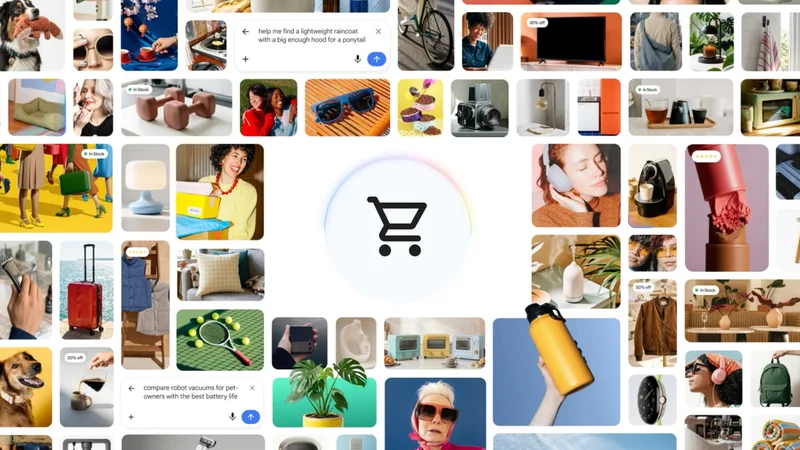
Image: Google AI Blog
Main Takeaway
Google has launched Universal Cart in the US, letting shoppers save products across Search and Gemini while tracking deals and managing purchases from multiple retailers.
Jump to Key PointsSummary
Google brings one cart to US shoppers
Google has launched Universal Cart in the United States across Google Search and the Gemini app, turning products discovered across those services into a shared shopping list and checkout hub. The company previewed the tool at Google I/O in May, and the rollout arrives ahead of the holiday shopping season.
Universal Cart is designed to follow a shopper’s journey across retailers instead of keeping each product tied to one merchant’s website. Users can save items, compare options, monitor prices and receive help with promotions through Google’s shopping interfaces. The launch builds on Google’s Shopping Graph, which the company says contains more than 60 billion product listings and supports more than 1 billion shopping interactions across Google each day, according to Google AI Blog.
How the shopping assistant works
The central feature is continuity. A shopper can find a product in Search or Gemini, add it to Universal Cart, and return later to review items from different merchants in one place. Google has also described integrations with Gmail, YouTube and other Google surfaces, although the initial US rollout centers on Search and Gemini.
Gemini supplies the assistant layer, helping users identify deals, locate promo codes and track price changes. The system is tied to Google’s Universal Commerce Protocol, or UCP, an open standard intended to let AI agents communicate with retailers and payment systems. Google has also introduced the Agent Payments Protocol, known as AP2, to support agent-led transactions with controls around authorization and payment, according to Google AI Blog and 9to5google.
Retailers lose control of discovery
Universal Cart shifts more of the shopping journey onto Google’s platforms, putting pressure on retailers to make products, pricing, inventory and checkout information legible to AI systems. A shopper can discover and compare products without visiting the merchant’s site, reducing the number of opportunities brands have to build a direct relationship.
That change affects marketing as much as checkout. Retailers have traditionally relied on website visits, abandoned-cart emails, loyalty programs and retargeting campaigns to recover lost sales. Universal Cart places more of the saved-product and purchase-intent data inside Google’s ecosystem, making the platform a more important intermediary between merchants and customers. MoEngage and Mirakl both describe the shift as a major change in customer ownership and retail strategy, while Mediapost highlights its consequences for abandoned-cart advertising.
UCP turns commerce into infrastructure
Google is positioning Universal Cart as one part of a larger agentic-commerce system rather than a standalone shopping feature. UCP gives retailers and commerce platforms a shared way to expose catalogs, promotions, orders and transaction functions to AI agents. Shopify was identified as a co-developer of the protocol, adding an important bridge to a large network of independent merchants.
Google has also outlined plans to extend UCP-powered shopping to YouTube and expand the program beyond the United States, including Canada, Australia and the United Kingdom. Retailbrew reported that the protocol is moving across Google surfaces and international markets, while Google’s January announcement framed the standard as an open approach for connecting retailers with high-intent shoppers. The broader goal is to let an agent coordinate multi-item, multi-merchant purchases instead of handling each transaction separately.
The holiday launch raises the stakes
The US rollout gives Google a large, immediate test during the busiest shopping period of the year. Deal tracking, promo-code discovery and centralized product saving are aimed at shoppers comparing gifts, electronics and household purchases across several stores.
The timing also creates a direct contest over who controls purchase intent. Google gains another reason for users to stay inside Search and Gemini, while retailers gain access to shoppers who arrive with clearer buying goals but surrender more of the surrounding customer experience. The practical results will depend on product accuracy, inventory freshness, merchant participation and how reliably the system handles checkout across different stores. Those details will shape whether Universal Cart becomes a daily shopping utility or another layer consumers use only during major sales events.
What retailers and developers face next
Retailers need commerce systems that can expose dependable product, price, availability, promotion and order data to AI agents. They also need to decide how much of the transaction and customer relationship they are willing to route through Google’s interfaces.
For developers, UCP and AP2 create a new integration target alongside conventional web, app and marketplace channels. The opportunity is broader product discovery and access to high-intent shoppers. The tradeoff is tighter dependence on Google’s ranking, identity, payment and data rules. Shopify’s involvement gives the protocol a ready route into smaller merchants, while competing platforms and retailers will have to assess whether participation expands demand or weakens their direct connection with buyers. Universal Cart therefore marks a product launch and a test of whether open commerce standards can coexist with a platform-controlled shopping experience.
Key Points
Google launches Universal Cart in the US across Search and Gemini for multi-retailer shopping.
Universal Cart tracks saved products, prices, promotions and deals across participating shopping journeys.
Google’s UCP and AP2 protocols connect AI agents with retailer catalogs, checkout and payment systems.
Retailers face reduced direct website traffic and greater dependence on Google’s commerce interfaces.
Shopify’s UCP partnership gives independent merchants a path into Google’s agentic shopping ecosystem.
Questions Answered
Google Universal Cart is an AI shopping hub that lets users save and manage products from multiple retailers in one place. It is available in the United States through Google Search and the Gemini app, with deal and price-tracking features.
Google Gemini helps shoppers discover products, compare options, monitor deals and find promotional offers inside Universal Cart. The cart connects shopping activity across Google services and is built around Google’s Universal Commerce Protocol.
Google Universal Cart moves more product discovery and purchase activity into Google’s interfaces. Retailers must provide accurate product, pricing, inventory and checkout data while managing a customer relationship that increasingly passes through Google.
Google’s Universal Commerce Protocol lets AI agents communicate with retailer commerce systems, while the Agent Payments Protocol supports authorized agent-led payments. Shopify co-developed UCP with Google, which is expanding the system to more Google services and markets.
Google has identified Canada, Australia and the United Kingdom as markets for future UCP-powered shopping expansion. Google also plans to bring agentic shopping experiences to YouTube.
Source Reliability
33% of sources are highly trusted · Avg reliability: 73
Go deeper with Organic Intel
Simple AI systems for your life, work, and business. Each one includes copyable prompts, guides, and downloadable resources.
Explore Systems