Amazon Expands Bee Wearables With Shopping Tools, New Hardware and a $12 Monthly AI Subscription
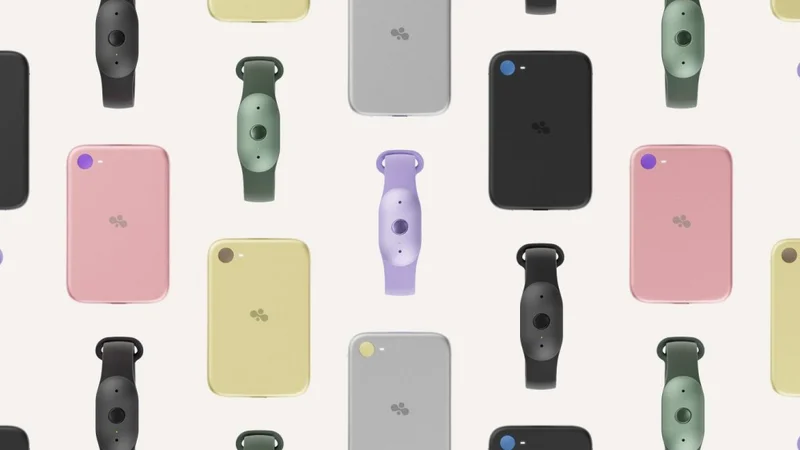
Image: The Verge AI
Main Takeaway
Amazon’s Bee now offers shopping assistance alongside 2 new AI wearables, connecting daily recordings with email, calendars and a $12 monthly subscription.
Jump to Key PointsSummary
Amazon turns Bee into a platform
Amazon is expanding Bee from a $50 always-listening recorder into a broader personal AI platform with new hardware, software features and shopping assistance. The company acquired San Francisco startup Bee in 2025, bringing its wrist-worn device into Amazon’s growing devices business and into competition with Meta’s smart glasses and other ambient computing products.
Bee’s original pitch was simple: capture conversations and activities throughout the day, transcribe them, and produce summaries, reminders and a searchable diary. The updated strategy connects that personal record to Amazon’s retail ecosystem. Bee can now help users buy products, while new integrations bring email and calendars into the same assistant.
New devices widen the entry points
Amazon-owned Bee has introduced 2 devices, led by the $74.99 Bee Frontier. The updated wearable continues the company’s always-listening approach, while a credit-card-sized recorder attaches to a smartphone and gives users another way to capture meetings, errands and conversations. Bloomberg and TechCrunch described the launches as Bee’s first new products since Amazon acquired the company.
The original Bee device cost $49.99 and resembled a small fitness tracker more than a conventional smartwatch. It focused on recording a user’s day rather than displaying notifications or tracking exercise. The new lineup keeps that diary-centered identity while giving Amazon more hardware surfaces for its assistant and more opportunities to connect personal context with commerce.
Shopping joins the assistant
Bee’s new shopping capability gives Amazon a direct route from ambient memory to retail action. A user can ask the assistant to help find or buy an item discussed during the day, turning spoken requests and captured context into product searches and purchases. The feature places Amazon’s core commerce business inside an assistant designed to listen continuously.
That connection separates Bee from a basic transcription service. The wearable gathers information passively, the software organizes it into summaries and reminders, and Amazon can attach a transaction to the result. The approach also raises the stakes around accuracy: a mistaken transcription or inferred need can affect a purchase, while a remembered conversation can contain details the user never intended to share with a retailer.
Software makes Bee more useful
Bee has added connections to email and calendars, alongside new features announced for existing hardware. Those changes turn the device from a daily recap tool into an assistant that can link conversations with scheduled events, messages and follow-up tasks. Amazon has framed the work as part of Bee’s evolution toward a personal AI companion that understands a user across settings.
The product remains distinct from a smartwatch because its central job is memory. Reviews describe the wearable as an inexpensive way to create an automatic diary, with the Amazon acquisition shaping how users assess its future. The January updates also show Amazon improving the installed base instead of reserving new capabilities for replacement hardware, a useful move for adoption and customer trust.
Privacy and trust remain central
An always-listening device creates a persistent privacy problem because it records environments, not just the wearer. Conversations with family, colleagues, customers and strangers can enter the system, creating consent questions that a phone or ordinary fitness band does not face. Amazon’s ownership adds a second concern because Bee now sits beside one of the world’s largest commerce and cloud businesses.
The shopping feature makes data governance more consequential. Users need clear controls over recording, deletion, access and purchases made from captured context. Amazon’s retail integration gives Bee a powerful use case, but it also makes the boundary between personal memory and commercial recommendation unusually thin. Bee’s success will depend on whether convenience outweighs that discomfort for buyers.
Amazon’s hardware bet takes shape
Bee gives Amazon a compact entry into AI hardware at a time when Meta is selling smart glasses and technology companies are testing assistants that operate outside the phone. The products are cheaper and less visually ambitious than glasses, but an audio-first wearable can work throughout the day without placing a display in front of the user.
The company now has several pieces of a larger system: low-cost devices, an AI subscription, access to Amazon shopping, and links to personal productivity tools. Bloomberg reported a $12 monthly Bee Pro plan, while the new devices provide a paid path for deeper analysis and features. The next test is execution: reliable transcription, useful summaries, careful handling of other people’s voices and enough value to justify recurring fees.
Key Points
Amazon expands Bee with shopping assistance, 2 new devices and a $12 monthly Bee Pro subscription.
Bee Frontier costs $74.99, while a smartphone-mounted recorder broadens the company’s hardware lineup.
Bee now connects captured conversations with email, calendars, summaries, reminders and product purchases.
Amazon’s Bee acquisition places its ambient AI strategy against Meta’s smart glasses and competing wearables.
Always-listening recording intensifies privacy, consent, transcription accuracy and commercial data governance concerns.
Questions Answered
Amazon’s Bee wearable is an always-listening AI device that records and transcribes daily conversations and activities. It creates summaries, reminders and a searchable personal diary, with newer features connecting email, calendars and shopping.
The Amazon Bee Frontier costs $74.99. Amazon also offers a smartphone-attached recorder and a Bee Pro subscription priced at $12 per month for additional AI features.
Amazon Bee can help users find or buy products connected to conversations and activities captured during the day. The feature links Bee’s personal memory system directly to Amazon’s retail marketplace.
Amazon added email and calendar connections, new daily-assistance features and shopping support. Bee also launched the Bee Frontier and a credit-card-sized recorder that attaches to smartphones.
Amazon Bee continuously records audio in environments where other people may be speaking without expecting to be captured. The device therefore raises questions about consent, deletion, data access, transcription accuracy and the use of personal context for purchases.
Source Reliability
38% of sources are unrated · Avg reliability: 66
 Aboutamazon
Go deeper with Organic Intel
Simple AI systems for your life, work, and business. Each one includes copyable prompts, guides, and downloadable resources.
Explore Systems