Google Brings Private Vibe-Coded Android Apps Directly to Play Store Users
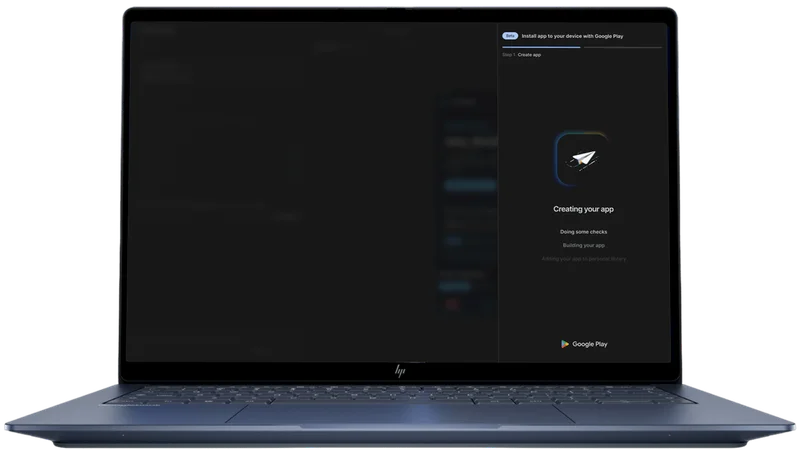
Image: TechCrunch AI
Main Takeaway
Google will let Android users launch AI-generated personal apps through Google Play, keeping them private while removing the need for computer-based installation.
Jump to Key PointsSummary
Google removes the installation hurdle
Google is adding a Play Store pathway for personal Android apps created with AI, allowing users to launch those apps directly on their phones. The change targets people who build custom software through Google AI Studio but previously had to connect a device to a computer before using the result, The Verge reported.
The apps will be tied to the creator’s standard Google account and remain private. They won’t appear in Play Store search results or public app listings, giving hobbyists a distribution route without requiring a public release. TechCrunch described the feature as a way to run personal, AI-built applications without making them available to everyone.
Personal apps get a private home
The new system gives AI-generated apps a private library inside Google Play rather than treating every creation as a conventional public app. Users can access their own applications through the same storefront used for mainstream downloads, while the listings remain hidden from other users.
That model fits the way many people are using generative AI to create small tools for specific needs. A person might build an app for a narrow workflow, a household task, or a personal reference project without wanting to maintain a public product. Bloomberg described Google’s move as lowering the barrier for nontechnical consumers who are increasingly turning to AI to create software.
Google AI Studio connects to Play
Google AI Studio is the starting point for the experience, linking conversational or prompt-based app creation with Android deployment. The company introduced native Android app creation through its AI tools before this Play Store update, and the new feature removes a separate installation step for those projects, The Verge reported.
The Play Store is also becoming a broader AI layer around app discovery. Ask Play, introduced in 2025, lets users ask questions about apps and games, while Google is expanding other AI-powered discovery features and developing Game Finder, Ars Technica reported. Personal app hosting places creation and distribution inside the same Google ecosystem, connecting AI development with the company’s existing Android channel.
Sharing remains part of the plan
Google’s initial focus is private access, but the company has indicated that sharing will follow. A future version of the system is expected to let creators share their vibe-coded apps with other people, expanding the feature from personal storage into a lightweight distribution service, The Verge reported.
That progression gives Google a controlled path from private experiment to wider release. Creators can begin with an app used only by its maker, then decide whether to share it rather than starting with a public listing. Ars Technica characterized the broader direction as private hosting and sharing for AI-generated apps, while Bloomberg framed private publication as a new route for consumer-created software.
The tradeoff is convenience and control
Google’s approach makes mobile deployment easier for people who can describe an app but lack traditional Android development skills. The private setting also avoids the exposure, discovery requirements, and public maintenance expectations associated with a normal Play Store release.
The feature still places Google at the center of the process. AI Studio creates the app, Google Play delivers it, and the user’s Google account controls access. That structure gives users convenience, but it also makes Google’s review, account, privacy, and platform policies relevant to software that was previously just a personal experiment. The available reporting focuses on access and sharing, while details about broader availability, review requirements, and technical limits remain tied to Google’s rollout information.
What happens next for app creators
The immediate change is practical: Android users in the United States can launch personal apps created through Google’s AI tools without connecting their phones to computers. A private library inside Play Store turns an AI-generated project into an installable mobile app with fewer technical steps.
The next test is whether creators use the feature for genuinely useful personal tools or treat it as a starting point for shared apps. If Google adds broader sharing, its Play Store will sit closer to the creation process itself, giving the company a larger role in how AI-built software reaches Android users. That would also bring questions about quality, security, permissions, and accountability into sharper focus as more people publish code they didn’t write line by line.
Key Points
Google Play now lets AI Studio users launch private vibe-coded Android apps without computer-based installation.
Personal apps stay hidden from Play Store search and remain accessible only to their creators.
Google AI Studio connects prompt-based app creation with direct Android distribution through Google Play.
Google plans to add sharing, extending private AI-built apps toward controlled distribution among users.
The feature lowers technical barriers while increasing Google’s role in reviewing and delivering AI-generated software.
Questions Answered
Google Play will let creators launch personal apps made with Google AI Studio directly on Android devices. The apps are attached to the creator’s Google account and remain private by default.
Google Play will keep private vibe-coded apps out of public search and listing pages. Only the creator can access the apps unless Google later enables sharing.
Google AI Studio apps no longer require a phone-to-computer connection for this Play Store-based launch process. Users in the United States can access their personal apps through Google Play.
Google plans to support sharing for vibe-coded apps in the future. The initial feature focuses on private personal use rather than public distribution.
Google is adding the personal library to make custom AI-generated software easier for nontechnical Android users to install and manage. It connects AI app creation with Google Play’s existing delivery system.
Source Reliability
44% of sources are highly trusted · Avg reliability: 73
Go deeper with Organic Intel
Simple AI systems for your life, work, and business. Each one includes copyable prompts, guides, and downloadable resources.
Explore Systems