Friend Is Back With a $99 AI Necklace That Talks, and Everyone Still Hates It
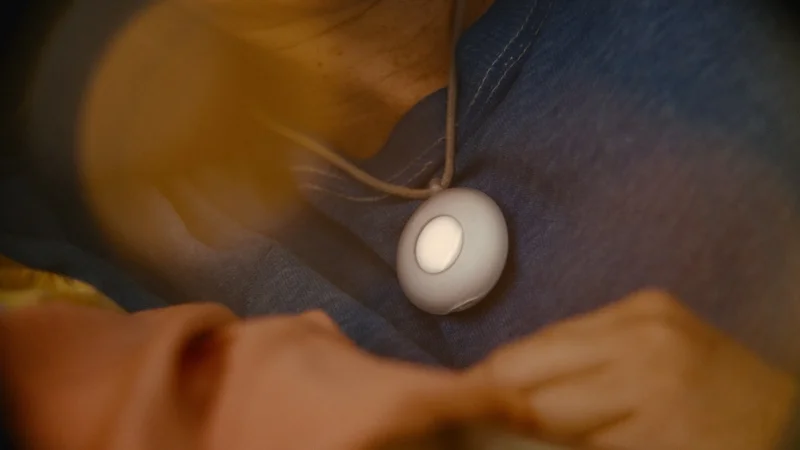
Image: The Verge AI
Main Takeaway
Avi Schiffmann's startup Friend launched a second-generation AI companion pendant that speaks aloud and costs $99, doubling down on artificial companionship after the first version was widely panned as dystopian and useless.
Jump to Key PointsSummary
What the Friend necklace actually does
Friend is a round, AirTag-sized AI pendant worn on a cord around the neck. It listens to everything happening around the wearer and sends text messages and push notifications with commentary, encouragement, or questions. The original version, released in 2024, was an always-listening chatbot that communicated exclusively through an iPhone app. According to Wired, Avi Schiffmann described the device as a pal that keeps you company rather than a productivity tool. The pendant captures audio continuously, processes it through AI models, and responds with what it thinks is relevant conversation.
The second iteration adds something the first lacked: a speaker. The new pendant can talk back to you audibly, which the company showed in a launch ad featuring two people conversing with their pendants. Schiffmann told Wired the device is meant to feel like a roommate hanging out with you all day. The hardware connects via Bluetooth to a smartphone and requires the companion app to function. The Verge notes that the original Friend spent $1.8 million of its $2.5 million funding just to acquire the friend.com domain, a move that drew as much attention as the product itself.
Why the First Version Flopped
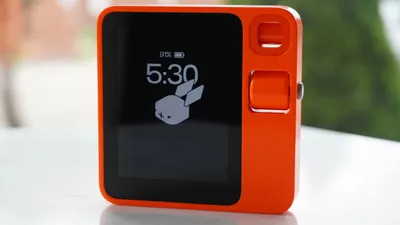
The original Friend pendant landed in July 2024 to near-universal ridicule. MacRumors reported it joined a graveyard of AI wearables like the Rabbit R1 and Humane AI Pin, both of which failed to find an audience. The backlash was visceral. According to Yahoo Tech, New Yorkers vandalized subway advertisements for the device, scrawling words like dystopian and creepy across the posters. The product seemed to answer a question nobody asked.
When Yahoo Tech reporter Eva tested the pendant during a breakup, the device offered no useful support. It sent generic messages like The vibe feels really intense right now and admitted it had only caught fragments of the conversation. When she asked for advice, the pendant asked her to explain what happened because it missed most of the call. The experience, she wrote, was like wearing your senile, anxious grandmother around your neck. Good Housekeeping tested similar AI wearables and found the category broadly underwhelming, with devices like the Limitless Pendant and Omi AI attempting similar always-listening functionality without meaningful adoption.
What Changed in Version Two
Schiffmann announced the second-generation Friend on X with a new ad and a higher price tag. The Verge reports the device now costs $99, double the original price. The headline feature is voice: the pendant can speak responses aloud instead of only sending text notifications. Wired visited Schiffmann at his San Francisco apartment, where he demonstrated the new hardware a softly glowing round pendant on a yellow cord. The device still listens constantly and still requires a phone connection.
One notable constraint: users cannot customize the AI's personality. Schiffmann told Wired the companion has a fixed character, which he believes creates a more authentic relationship. The Verge characterized the launch as everyone hated it, so Friend is making it even more expensive. The company's X account and Schiffmann's personal account drove the announcement, bypassing traditional press channels. The Wikipedia entry notes the product is manufactured by My TabAl, Inc, based in San Francisco, and has been in development since October 2023.
The Backlash Against AI Companionship
Criticism of the Friend spans both practical and philosophical concerns. Yahoo Tech captured the visceral public reaction through the lens of vandalized subway ads and a deeply negative hands-on review. The core complaint is that an AI pendant cannot actually be a friend. It misses context, fails during emotional moments, and offers generic responses that feel hollow when someone is genuinely distressed.
Good Housekeeping raised privacy concerns, noting that an always-listening device worn on the body captures conversations with other people who never consented to be recorded. The publication advised readers to think twice before buying. The Verge's David Imel framed the second launch as a stubborn refusal to accept market feedback, pointing out that the company spent most of its funding on a domain name rather than product development. The broader AI wearable category has struggled to justify its existence, with reviewers consistently finding that smartphones already handle everything these devices attempt.
What This Reveals About AI Hardware
The Friend saga illustrates a pattern in consumer AI hardware: startups burn cash on branding and launch products that solve emotional problems with technical solutions. MacRumors contextualized the Friend within a series of AI wearable failures, noting that both the Rabbit R1 and Humane AI Pin launched with significant hype and quickly collapsed under poor reviews. The common thread is a mismatch between what AI can do and what people actually want from a device they wear on their body.
Schiffmann's approach is unusual even within this pattern. According to The Verge, the company spent 72% of its seed funding on a domain name, leaving relatively little for engineering. The second version's price increase suggests the company is targeting early adopters willing to pay more for a premium version of a product that has not proven itself. Wired noted that Schiffmann seems aware of the hate but remains committed to his vision, a stance that either signals conviction or a refusal to learn from the market's verdict.
What Happens Next
Friend ships the second-generation pendant immediately through its website. The company is betting that voice interaction will transform the product from a passive notification sender into something that feels more like a companion. The price increase to $99 positions it against other personal tech accessories rather than impulse-buy gadgets, which could either signal premium quality or just more expensive disappointment.
The AI wearable market shows no signs of consolidation around a winning formula. Apple, Google, and Meta have all invested in AI assistants that live on phones and smart glasses, leaving standalone pendants to startups that struggle to articulate their value. The Friend's long-term prospects depend on whether version two solves the core problem the first one exposed: an AI that listens to everything but understands almost nothing of what matters.
Key Points
Friend launched a second-generation AI pendant that speaks aloud, doubling the price to $99 after the first version was widely panned.
The original Friend spent $1.8 million of its $2.5 million funding on the friend.com domain and generated backlash for being dystopian and useless.
Hands-on testing revealed the pendant misses key emotional context, offering shallow responses like 'The vibe feels really intense right now' during a breakup.
The AI companion category remains unproven, with Rabbit R1, Humane AI Pin, and now Friend all failing to find product-market fit.
Privacy advocates warn that always-listening wearables capture audio of non-consenting bystanders, raising ethical and legal questions.
Questions Answered
The Friend AI pendant is a wearable device worn around the neck that listens to ambient audio and sends text notifications or speaks responses through a connected iPhone app. It is designed to serve as a companion that offers opinions, jokes, and emotional support based on what it hears throughout the day.
The first version failed because users found it creepy and useless. Testers reported that the device missed important context during emotional moments, offered shallow responses, and felt dystopian. New Yorkers vandalized subway ads for the product, and the broader AI wearable category has struggled with similar products like the Rabbit R1 and Humane AI Pin.
The second version added voice output so the pendant can speak back to users instead of only sending text notifications. The price doubled from $49 to $99, and the AI has a fixed personality that users cannot customize. The company announced the update on X with a new ad campaign.
Yes, the Friend pendant is designed to be an always-listening device that captures audio throughout the day. It processes this audio to generate responses, which raises privacy concerns because it records conversations involving people who have not consented to being recorded.
The company spent $1.8 million of its $2.5 million in seed funding to acquire the friend.com domain name. This spending decision drew significant criticism because it left limited capital for product development and engineering.
The Friend AI pendant was created by Avi Schiffmann, a Harvard University student and founder of My TabAl, Inc, based in San Francisco. Schiffmann previously gained attention for building a COVID-19 tracking website and has been developing the Friend product since October 2023.
Source Reliability
43% of sources are trusted · Avg reliability: 71
Go deeper with Organic Intel
Simple AI systems for your life, work, and business. Each one includes copyable prompts, guides, and downloadable resources.
Explore Systems