Pizza Crust DNA Breaks 30-Year Gilgo Beach Serial Killer Case
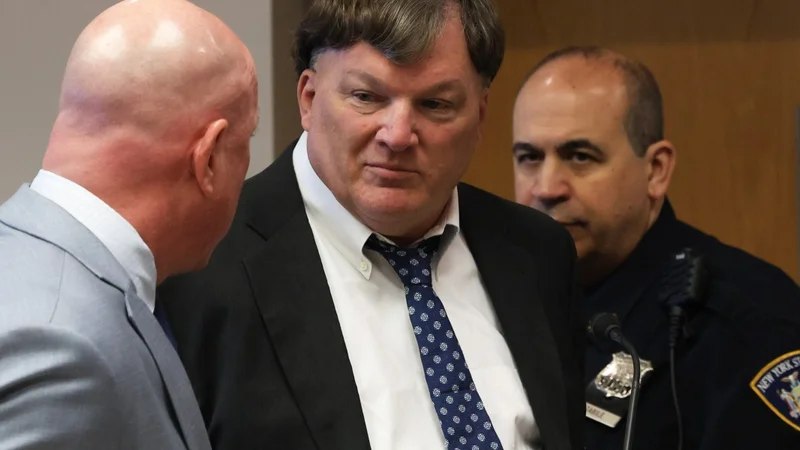
Image: Fortune AI
Main Takeaway
DNA from discarded pizza crusts linked architect Rex Heuermann to victims, ending three decades of unsolved murders in Long Island's Gilgo Beach case.
Summary
How a half-eaten pizza ended three decades of terror
Rex Heuermann, a 62-year-old Long Island architect, admitted to murdering eight women over a 30-year span in what's become known as the Gilgo Beach serial killings. The case cracked wide open when investigators matched DNA from pizza crust he left in a Manhattan garbage can to evidence found on victims, according to CBS News and NBC New York coverage.
Heuermann's guilty plea covers eight murders between 1993 and 2023, though prosecutors believe he may be responsible for additional victims. The breakthrough came through meticulous surveillance and forensic work that connected seemingly mundane evidence to decades-old crimes.
The pizza crust connection wasn't happenstance. Investigators had been tracking Heuermann for months, waiting for him to discard something with biological material. When he left pizza remnants in a public trash can, forensic teams rushed the evidence to labs where DNA matched samples found on multiple victims.
The forensic breakthrough that cracked the case
DNA evidence from pizza crust provided the smoking gun prosecutors needed. According to court documents cited by CBS News and NBC New York, the genetic material matched samples recovered from victims' remains found along Ocean Parkway in Gilgo Beach.
The forensic trail extended beyond just the pizza. Investigators also used mitochondrial DNA from a single strand of hair found on victim Megan Waterman, as The New York Times detailed. This hair, combined with cell phone location data and the pizza DNA, created an overwhelming case against Heuermann.
The prosecution built their timeline using cell tower records showing Heuermann's phone near dump sites during critical periods. Each piece of evidence alone might not have been enough, but together they painted an inescapable picture of guilt that forced the guilty plea.
Victims and patterns across three decades
Heuermann admitted to killing eight women, many of whom were sex workers whose disappearances initially received little attention. The victims include Melissa Barthelemy, Megan Waterman, Amber Costello, and Maureen Brainard-Barnes among others, spanning from 1993 through 2023.
The killer targeted vulnerable women, often arranging meetings through online escort services. He would strangle his victims and dump their bodies in remote areas along Long Island's southern shore. The remains were discovered in 2010 when police searching for one missing woman found multiple bodies instead.
Many families waited over a decade for answers. The case gained renewed attention through podcasts and documentaries, but technological limitations of the 1990s and 2000s hampered early investigations. Advances in DNA analysis and digital forensics finally provided the tools needed to connect the dots.
Surveillance tactics that trapped the architect
Investigators used modern surveillance techniques to build their case. They tracked Heuermann's movements for months, analyzing his patterns and waiting for him to make a mistake. The pizza disposal represented that critical error.
The surveillance team followed standard protocols for collecting forensic evidence from public spaces. Once Heuermann discarded the pizza box, investigators legally retrieved it since trash left on public sidewalks has no expectation of privacy under established legal precedent.
This approach mirrors how law enforcement has adapted to modern challenges. Rather than relying solely on witness testimony or traditional detective work, agencies now combine old-school surveillance with cutting-edge forensic science to solve cold cases that once seemed impossible.
What this means for cold case investigations
The Gilgo Beach resolution demonstrates how cold cases can break decades later through persistent investigation and advancing technology. DNA databases have expanded dramatically since the 1990s, making matches more likely even from degraded samples.
Law enforcement agencies nationwide are re-examining evidence from unsolved murders using modern forensic techniques. The success here will likely accelerate these efforts, particularly for cases involving serial offenders who may have been active for decades.
The case also highlights the importance of maintaining evidence integrity over long periods. Proper storage and cataloging of forensic samples from the 1990s allowed current investigators to extract viable DNA that led directly to Heuermann's identification.
The human cost of 30 unsolved years
For victim families, the guilty plea offers closure but can't erase decades of uncertainty. Many relatives conducted their own searches, attended every hearing, and lived with the knowledge that their loved one's killer walked free for years.
The case exposed systemic issues in how missing persons cases are prioritized, particularly when victims are sex workers or from marginalized communities. Several families criticized initial police responses as inadequate, arguing that more vigorous early investigation might have prevented later murders.
Community impact extended beyond immediate victims. Long Island residents lived under a shadow for decades, with women particularly affected by fears of a serial predator. The resolution brings relief but also renewed grief as the full scope of violence becomes clear.
Legal proceedings and what's next
Heuermann faces sentencing that could bring life imprisonment without parole. His guilty plea avoids a lengthy trial while ensuring he never walks free again. Prosecutors dropped pursuit of the death penalty in exchange for the plea, which also provided some answers for victim families.
The case will likely generate renewed attention to other unsolved murders in the region. Investigators are reviewing similar cases from the 1980s and 1990s to determine if Heuermann might be responsible for additional killings.
Legal experts expect this case to influence how future serial murder investigations are conducted, particularly regarding the collection and use of DNA evidence from public spaces. The successful combination of traditional surveillance with modern forensics provides a template for similar cold case resolutions.
Key Points
Rex Heuermann pleaded guilty to eight murders spanning 30 years in Long Island's Gilgo Beach case
DNA from discarded pizza crust provided the forensic breakthrough that linked him to victims
Investigators used months of surveillance combined with cell phone location data and mitochondrial DNA evidence
The case demonstrates how modern forensic techniques can solve decades-old serial murder cases
Many victims were sex workers whose cases initially received limited attention
FAQs
Investigators collected pizza crust Rex Heuermann discarded in a public trash can. DNA from the crust matched forensic evidence found on multiple victims, providing the crucial link needed to charge him.
Heuermann admitted to killing eight women between 1993 and 2023. Prosecutors believe he may be responsible for additional unsolved murders in the region.
Prosecutors built their case using cell phone location data showing Heuermann near dump sites, mitochondrial DNA from a victim's hair, and extensive surveillance footage documenting his movements.
Early investigations were hampered by limited DNA technology, inadequate attention to missing sex workers, and lack of digital forensic tools. Advances in DNA analysis and persistent cold case investigations finally provided breakthrough evidence.
He faces life imprisonment without parole after pleading guilty. The plea deal avoided a lengthy trial while ensuring he never walks free again.
Yes. Law enforcement agencies nationwide are re-examining old evidence using modern forensic techniques. This case provides a template for combining surveillance with advanced DNA analysis to solve decades-old crimes.
Source Reliability
45% of sources are highly trusted · Avg reliability: 76
Go deeper with Organic Intel
Our AI for Your Life systems give you practical, step-by-step guides based on stories like this.
Explore ai for your life systems