Pope Leo XIV Defies Trump Over Iran War Criticism
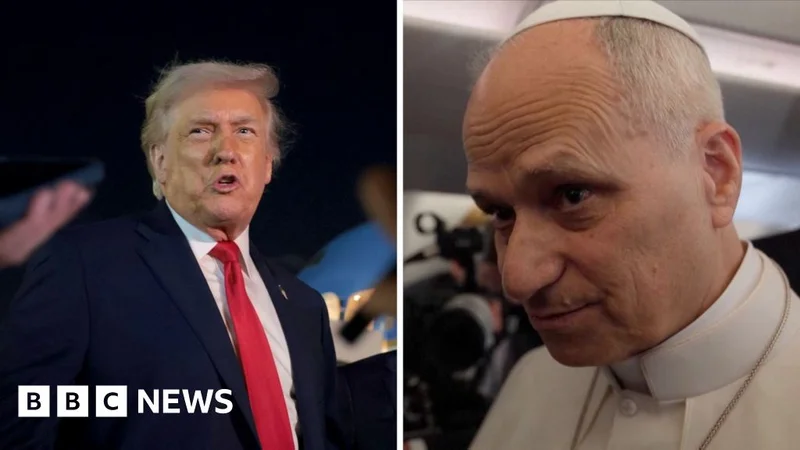
Image: Bbc
Main Takeaway
First US-born pope refuses to back down after Trump calls him 'weak on crime' and 'radical left' over Vatican's anti-war stance on Iran conflict.
Summary
What sparked the Trump-Pope showdown
Pope Leo XIV called Trump's threats against Iran "truly unacceptable" after the president warned "a whole civilisation will die." Trump responded with a social media tirade, labeling the pontiff "weak on crime" and claiming he was catering to the "Radical Left." The exchange marks the most direct confrontation between a US president and a pope since the Reformation, according to Vatican watchers.
The Vatican's measured response
Speaking aboard the papal plane en route to Algeria, Pope Leo dismissed Trump's attacks as missing "the message of the Gospel." He declared he has "no fear" of the Trump administration and will continue speaking out against violence. "I'm not a politician," Leo told reporters, "and I have no intention of getting into a debate with him." The pope's refusal to engage in tit-for-tat rhetoric while maintaining his moral stance has drawn praise from religious leaders worldwide.
Global reaction to the feud
Politicians and faith leaders across denominations condemned Trump's attacks on the pope. The controversy intensified when Trump posted and then deleted an AI-generated image depicting himself as Jesus. Catholic bishops in the US issued statements supporting Leo's right to speak on moral issues, while Protestant and Jewish leaders echoed calls for peace. International leaders framed the conflict as a test case for religious freedom versus political power.
What this means for US-Vatican relations
The standoff threatens to chill diplomatic ties between Washington and the Holy See at a critical moment. Trump's administration had already moved the US embassy to Jerusalem and taken hardline positions on Middle East policy. Vatican diplomats worry the conflict could complicate efforts to broker ceasefires in multiple conflicts. The pope's willingness to directly challenge US policy represents a significant shift from his predecessor's more cautious approach.
The impact on American Catholics
American bishops face a delicate balancing act between their spiritual leader and a president popular with many conservative Catholics. Some dioceses have seen parishioners divided between supporting Trump's policies and respecting papal authority. Catholic universities report increased debate among students about the proper role of faith in politics. The US Conference of Catholic Bishops issued guidance affirming Catholics' duty to follow church teaching on war and peace.
What happens next
Pope Leo plans to continue his Africa tour focusing on peace initiatives, while Trump shows no signs of backing down. Vatican watchers expect the pope to escalate his rhetoric if civilian casualties increase in Iran. Religious freedom advocates warn the feud could embolden other world leaders to dismiss papal interventions. The conflict may ultimately test whether spiritual authority still carries weight in secular politics.
Key Points
Pope Leo XIV became the first pope to directly challenge a US president over war policy
Trump's attacks included calling the pope "weak on crime" and claiming he's part of the "Radical Left"
Vatican responded by reaffirming gospel-based opposition to violence without engaging in political sparring
Global religious leaders and politicians largely condemned Trump's attacks on papal authority
American Catholics face internal tensions between spiritual loyalty and political preferences
FAQs
The pope has consistently condemned threats against civilians and called for peaceful resolution to conflicts, viewing Trump's 'civilization will die' comments as crossing moral boundaries.
Historians note this is unprecedented in modern times, with no direct president-pope confrontations this severe since the Protestant Reformation era.
Trump posted and quickly deleted an AI-generated image depicting himself as Jesus, which critics saw as blasphemous and further inflamed religious tensions around the conflict.
Catholics are divided, with conservative parishioners torn between loyalty to Trump and respect for papal authority, while bishops largely support the pope's right to speak on moral issues.
Yes, Vatican diplomats worry the conflict could complicate peace efforts and chill diplomatic ties, though both sides have strong incentives to maintain basic relations.
Religious freedom advocates warn that dismissing papal criticism could become normalized, potentially weakening the Vatican's role as a moral voice in global conflicts.
Source Reliability
80% of sources are highly trusted · Avg reliability: 86
Go deeper with Organic Intel
Our AI for Your Life systems give you practical, step-by-step guides based on stories like this.
Explore ai for your life systems