Anthropic Briefed Trump Team on Mythos Despite Pentagon Blacklist
Main Takeaway
Anthropic's co-founder confirms the company briefed the Trump administration on Mythos, a model so powerful it's kept from public release.
Summary
What Anthropic told the Trump team about Mythos
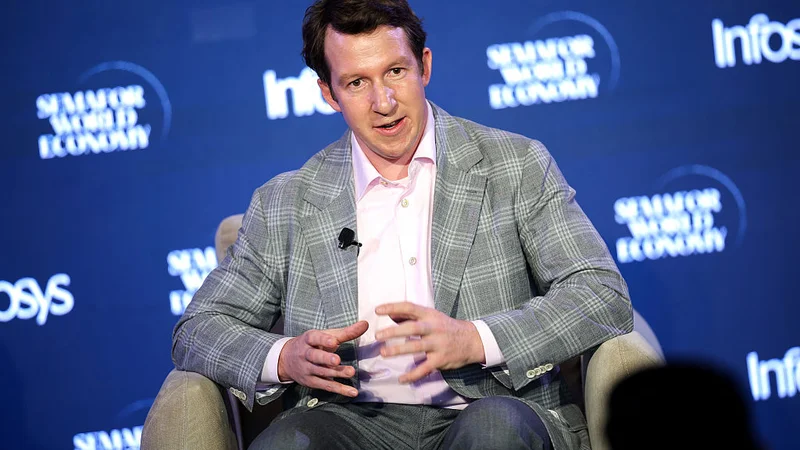
Jack Clark, co-founder and head of public benefit at Anthropic, confirmed at the Semafor World Economy summit that the company briefed the Trump administration on Mythos. According to TechCrunch, this occurred just one week after Anthropic announced the model on April 7th. The briefing centered on Mythos's cybersecurity capabilities, which Clark characterized as presenting significant security risks. Reuters reports that these discussions happened despite ongoing tensions between the company and the administration.
The model itself won't see public release. Clark explained this decision stems from Anthropic's assessment that Mythos could enable sophisticated cyber attacks if deployed widely. The company appears to be walking a tightrope: simultaneously warning about the technology's dangers while demonstrating its capabilities to government officials.
Why Anthropic engages while suing the government
This briefing represents a paradox. Anthropic currently has an active lawsuit against the U.S. government over export restrictions, yet continues high-level engagement. Clark addressed this directly at the summit, explaining that the company views government dialogue as essential for frontier AI safety even amid legal disputes. The approach mirrors strategies used by other tech giants who maintain regulatory relationships while contesting specific policies.
The Pentagon previously blacklisted Anthropic from certain defense contracts, creating an awkward backdrop for these discussions. Despite this, Forbes reports that administration officials requested the briefing specifically to understand emerging AI threats. The company seems to have calculated that the national security implications of Mythos outweigh contractual grievances.
How this shapes AI regulation debates
The briefing feeds directly into ongoing debates about AI governance. Lawmakers are currently drafting legislation that could require pre-deployment testing for models above certain capability thresholds. Anthropic's decision to brief officials on Mythos provides a real-world example of how such requirements might work in practice. The company's transparency about keeping the model private due to security concerns offers ammunition for those advocating stricter oversight.
This case also highlights the challenge of regulating rapidly advancing technology. By the time legislation passes, models like Mythos may already be outdated. The administration's willingness to engage suggests they're grappling with how to balance innovation against security risks.
What happens next with Mythos and government relations
Anthropic plans continued engagement with federal agencies despite the ongoing lawsuit. Clark indicated the company will brief additional government stakeholders on Mythos's capabilities and limitations. These discussions will likely inform upcoming AI safety legislation and export control policies. The company is also developing internal protocols for handling future models that exceed Mythos's capabilities.
For the administration, this represents an opportunity to establish precedents for private-public cooperation on AI safety. Officials have requested similar briefings from other major AI companies, suggesting Mythos may become a template for how frontier AI models are handled going forward. Expect more companies to adopt Anthropic's approach of selective government disclosure for high-risk systems.
The broader implications for AI companies
This situation creates a roadmap for how AI companies might navigate the complex landscape of government relations and public safety. The decision to withhold a potentially dangerous model while briefing authorities establishes new norms for responsible AI development. Other companies will likely face similar choices as models become more powerful.
The briefing also demonstrates how technical capabilities translate into geopolitical leverage. Models like Mythos aren't just products—they're strategic assets that governments must understand and potentially control. This dynamic will increasingly influence investment decisions, talent recruitment, and international partnerships across the AI sector.
Key Points
Anthropic briefed the Trump administration on Mythos despite suing the government and being Pentagon-blacklisted
Mythos model won't be publicly released due to cybersecurity dangers, marking a shift toward selective disclosure
Co-founder Jack Clark presented the model at Semafor World Economy summit while explaining the paradox of engagement amid litigation
Case sets precedent for how companies might handle dangerous AI models through government briefings rather than public release
Administration requested briefing to understand emerging AI threats, suggesting new regulatory approach to frontier models
FAQs
According to Jack Clark, the company views government dialogue as essential for AI safety even during legal disputes over export restrictions. The national security implications of Mythos outweighed contractual grievances.
Anthropic hasn't disclosed specifics, but characterized Mythos as having powerful cybersecurity capabilities that could enable sophisticated attacks if widely deployed. The risk assessment led to keeping it private.
The administration has requested similar briefings from other major AI companies, suggesting this selective government disclosure model may become standard for high-risk systems.
This case provides lawmakers with a real-world example of how pre-deployment testing and government consultation might work, potentially influencing requirements for models above certain capability thresholds.
Source Reliability
100% of sources are established · Avg reliability: 64
Go deeper with Organic Intel
Our AI for Your Life systems give you practical, step-by-step guides based on stories like this.
Explore ai for your life systems