Explosive Media's AI Lego Cartoons Turn Iran-Trump War Into Viral Meme Warfare
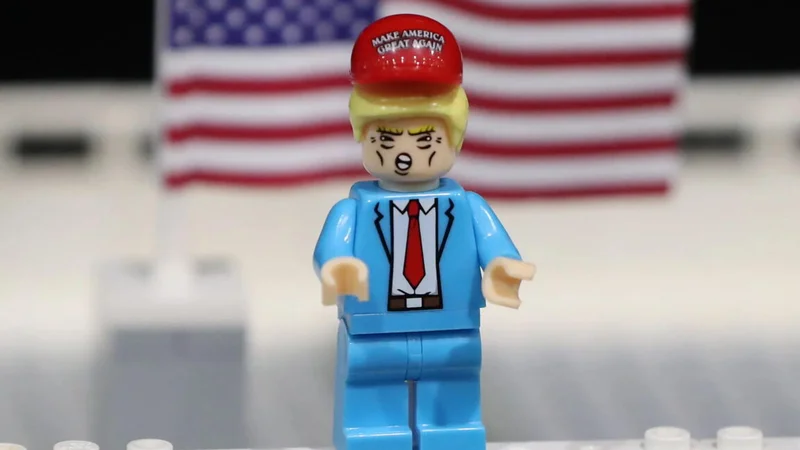
Image: Ars Technica AI
Main Takeaway
Pro-Iran group uses AI-generated Lego videos to mock Trump and shape war narrative, releasing over a dozen viral clips since conflict began.
Summary
How Explosive Media weaponized AI memes in the Iran war
Explosive Media, a self-described collective of young Iranian activists, has transformed geopolitical propaganda into viral entertainment. The group has released over a dozen AI-generated videos featuring Lego-style characters since the Iran war began, according to Wired AI and Ars Technica reports from April 9-10, 2026. Their most recent video dropped minutes after President Trump's televised remarks about not wiping out "a whole civilization," showing Trump figurines colluding with Gulf state leaders while Iranian officials press a giant red button labeled with threats.
The videos blend child-friendly Lego aesthetics with pointed political messaging, creating what The Guardian calls "slopaganda" — deliberately crude content designed to spread faster than traditional state media. This marks a shift from Iran's previous propaganda efforts, which typically relied on formal speeches and state television broadcasts. Instead, Explosive Media treats the conflict like a meme war where virality equals victory.
The technical playbook behind viral Lego warfare
Explosive Media's production process reveals sophisticated AI tooling beneath the intentionally amateur aesthetic. The group uses generative AI to create consistent Lego character designs of world leaders, then animates them in scenarios that would be impossible with physical Lego sets. Trump's Lego figure appears in various compromising positions — from colluding with Gulf leaders to being outmaneuvered by Iranian officials pressing cartoonish red buttons.
The technical approach mirrors AI art tools used by Western creators, but repurposed for asymmetric information warfare. According to The New Yorker's analysis, the group likely uses off-the-shelf AI video generators combined with custom prompt engineering to maintain visual consistency across their meme campaigns. This creates a paradox where cutting-edge AI produces deliberately low-fi content that feels more authentic than polished state propaganda.
The production speed is remarkable — videos appear within hours of major world events, suggesting Explosive Media operates like a digital newsroom with AI tools replacing traditional animation pipelines.
Why Lego memes resonate more than missiles
The genius lies in the medium choice. Lego characters defuse tension while delivering sharp political commentary — viewers process serious geopolitical messages through the safe, nostalgic lens of childhood toys. This psychological distancing allows the content to bypass typical resistance to foreign propaganda.
Traditional Iranian messaging often feels heavy-handed to Western audiences. These Lego videos slip past defenses by being funny first, political second. A Trump Lego figure getting outsmarted by Iranian Lego officials creates a narrative where David beats Goliath, but with plastic bricks instead of real weapons.
The content travels across language barriers through visual storytelling. Unlike subtitled speeches or translated press releases, a Lego Trump getting humiliated needs no translation. This universal visual language explains why the videos rack up millions of views across platforms that typically restrict Iranian state media.
Platform cat-and-mouse with Silicon Valley
Explosive Media's content strategy forces social platforms into uncomfortable moderation decisions. The videos don't violate typical hate speech rules — they mock rather than threaten — but clearly serve foreign propaganda purposes. This creates a gray area where Meta, YouTube and TikTok must decide whether satire becomes disinformation when state-aligned.
The group adapts faster than platforms can respond. When one account gets banned, new ones appear with slight variations in naming. They also seed content through fan accounts that appear organic, making it nearly impossible to distinguish genuine supporters from the original creators.
This mirrors AI content moderation challenges facing all platforms, but with added geopolitical stakes. The Lego aesthetic provides cover — platforms hesitate to ban content that looks like harmless fan art, even when it carries sophisticated political messaging.
The new rules of meme warfare
Explosive Media's success establishes a template for how smaller nations can punch above their weight in information warfare. The campaign proves that creative AI use can offset massive disparities in traditional media budgets. While the US State Department spends millions on polished messaging campaigns, a dozen Iranian activists with AI tools generate more organic engagement.
This represents a democratization of propaganda tools. Previously, sophisticated information campaigns required state-level resources. Now, a few technically skilled individuals with AI subscriptions can create content that competes with major media outlets. The barrier to entry has dropped from millions of dollars to hundreds in AI tool subscriptions.
The campaign also demonstrates how memes have become primary battlegrounds for narrative control. Where previous generations fought proxy wars through newspapers and radio, Explosive Media fights through TikTok trends and Twitter virality. The most shared meme becomes the dominant narrative, regardless of factual accuracy.
What this means for future conflicts
Expect every geopolitical conflict to spawn its own meme campaigns. Explosive Media's Lego videos represent the awkward teenage phase of AI propaganda — technically crude but conceptually sophisticated. As AI video tools improve, these campaigns will become indistinguishable from Pixar-quality animation while maintaining the same viral appeal.
Western governments now face the challenge of countering memes without becoming memes themselves. Traditional diplomatic responses feel stiff compared to Lego satire. The State Department's formal statements can't compete with Trump getting outmaneuvered by plastic figurines, creating an asymmetry where humor beats gravitas.
The real risk isn't individual videos but the normalization of AI-generated foreign interference in domestic political discourse. When Explosive Media's Lego Trump becomes more recognizable than actual Trump statements, the information environment becomes fundamentally distorted. This isn't just about Iran — every nation with AI capabilities will adopt similar tactics, turning every global event into a meme war.
How democracies adapt to plastic brick propaganda
Western responses so far focus on platform moderation and fact-checking, but these miss the core appeal. Explosive Media succeeds not despite being fake Lego videos, but because of it. The format itself carries the message: serious issues rendered trivial through toy aesthetics.
Democratic governments need their own creative responses, not just defensive measures. This might mean funding AI art collectives that can match the creativity without the foreign agenda, or finding ways to make truthful information as engaging as satirical Lego content.
The bigger challenge is cultural. Democratic societies value open discourse, but AI-generated foreign propaganda exploits this openness. The Lego meme wars reveal a vulnerability that can't be patched with better algorithms — it requires rethinking how democratic societies defend information integrity without becoming authoritarian.
Key Points
Explosive Media has released 12+ AI-generated Lego videos mocking Trump since Iran war began, achieving viral spread across platforms
Group uses sophisticated AI tools to create consistent Lego character designs of world leaders, then animates them in politically charged scenarios
Lego aesthetic bypasses viewer defenses by delivering serious geopolitical messages through child-friendly, nostalgic medium
Campaign demonstrates democratization of propaganda — small team with AI tools competes with state-level media budgets
Success creates template for future conflicts where memes become primary battlegrounds for narrative control
FAQs
Explosive Media, a self-described collective of young Iranian activists, creates the AI-generated Lego videos mocking Trump and US policy since the Iran war began.
The group uses off-the-shelf AI video generators combined with custom prompt engineering to create consistent Lego character designs and animate them in political scenarios.
The child-friendly Lego aesthetic bypasses viewer defenses by delivering serious messages through a safe, nostalgic medium that's universally understood across language barriers.
Videos appear within hours of major world events — their most recent dropped minutes after Trump's televised remarks about not wiping out "a whole civilization."
This represents democratized propaganda where small teams with AI subscriptions can create content competing with state-level media budgets, making every conflict a potential meme war.
Platforms face difficult moderation decisions since the content doesn't violate hate speech rules but clearly serves foreign propaganda purposes, creating enforcement gray areas.
Source Reliability
67% of sources are highly trusted · Avg reliability: 80
Go deeper with Organic Intel
Our AI for Your Life systems give you practical, step-by-step guides based on stories like this.
Explore ai for your life systems