Trump Assembles Silicon Valley Titans for New AI Policy Council as David Sacks Steps Down as Czar
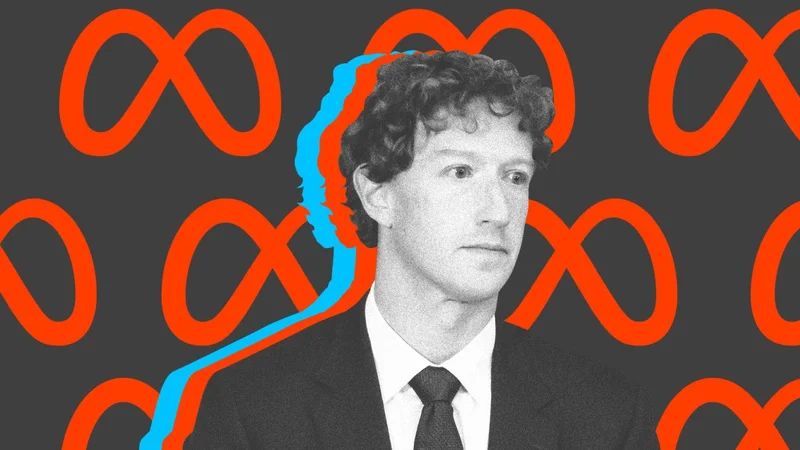
Image: The Verge AI
Main Takeaway
Zuckerberg, Huang, Ellison, and Brin join Trump's science council while David Sacks exits the White House AI czar role to serve on the new tech advisory panel instead.
Summary
Who's on Trump's new tech advisory council?
The first four members of President Trump's reconstituted President's Council of Advisors on Science and Technology (PCAST) include Meta CEO Mark Zuckerberg, Oracle executive chairman Larry Ellison, Nvidia CEO Jensen Huang, and Google co-founder Sergey Brin. The council will eventually expand to 13 members with room for up to 24 total, according to the Wall Street Journal.
White House AI and crypto czar David Sacks will no longer hold that title. Instead, he'll move to a special tech advisory council to make recommendations to the Trump administration, according to The Verge AI. Michael Kratsios remains as senior technology adviser and will co-chair the panel alongside Sacks in his new capacity.
The remaining initial appointees span Silicon Valley's commercial elite: Andreessen Horowitz co-founder Marc Andreessen, former Oracle CEO Safra Catz, Dell Technologies founder Michael Dell, Oklo CEO Jacob DeWitte, Coinbase co-founder Fred Ehrsam, entrepreneur David Friedberg, physicist John Martinis, Commonwealth Fusion Systems CEO Bob Mumgaard, and AMD CEO Lisa Su. Only Catz, Su, and Martinis aren't primarily known as tech executives or investors, making this the most commercially-oriented PCAST in modern history.
What will this council actually do?
PCAST exists to advise the president on science, technology, education, and innovation policy while providing scientific and technical information for public policy decisions. The Trump administration's January executive order establishing the council emphasized achieving "unquestioned and unchallenged global technological dominance" amid competition from foreign rivals.
The White House announcement specifically mentions the council will focus on "opportunities and challenges that emerging technologies present to the American workforce" while ensuring Americans "thrive in the Golden Age of Innovation." Translation: they'll help shape federal AI regulation, workforce retraining programs, and industrial policy to maintain US tech supremacy.
The council's recommendations could influence everything from federal AI procurement rules to immigration policy for tech workers. With Sacks moving from his czar role to this advisory position, the council gains someone with direct White House experience in AI policy implementation.
Why these particular tech leaders?
The selection reads like a who's who of companies driving the current AI boom. Meta owns the largest social platforms and is investing heavily in AI research. Nvidia makes the chips that power virtually every major AI system. Oracle provides cloud infrastructure for enterprise AI deployments. Google remains a research powerhouse despite recent AI missteps.
These aren't just symbolic appointments. Each executive brings operational expertise in deploying AI at massive scale. They're also all personally invested in maintaining US dominance over Chinese competitors like DeepSeek and Alibaba's cloud division.
The council's commercial tilt isn't accidental. Previous PCAST iterations balanced academic researchers with industry voices. This version flips the ratio, betting that industry leaders can translate their market experience into effective policy recommendations faster than traditional academics.
What's missing from this picture?
Notably absent are Elon Musk and Sam Altman. Musk's exclusion isn't surprising given his public feuds with Trump and his competing AI ventures. Altman's absence is more puzzling since OpenAI remains the most prominent US AI company and has actively sought government partnerships.
The council also lacks representation from smaller AI startups or researchers focused on AI safety concerns. This could limit the range of perspectives on critical issues like model transparency, bias mitigation, and long-term AI risk management.
The concentration of power among established tech giants raises questions about whether policy recommendations will favor incumbent companies over emerging competitors or academic research institutions.
Key Points
David Sacks steps down as White House AI and Crypto Czar to join the new tech advisory council
PCAST will focus on maintaining US technological dominance over China and other foreign rivals
Council combines leaders from Meta, Nvidia, Oracle, Google, and other major tech firms
All initial members except three are primarily tech executives or investors
Recommendations could influence federal AI procurement rules and immigration policy for tech workers
FAQs
Sacks transitioned from his official White House position to serve on the new tech advisory council, allowing him to focus on policy recommendations while maintaining his influence on AI strategy.
The council will advise on federal AI procurement rules, workforce retraining programs, and industrial policy to help maintain US technological leadership over global competitors.
Source Reliability
47% of sources are trusted · Avg reliability: 72
Go deeper with Organic Intel
Our AI for Your Life systems give you practical, step-by-step guides based on stories like this.
Explore ai for your life systems