Defense VC Overmatch Seals $250M Fund for Drone, Space and Energy Tech
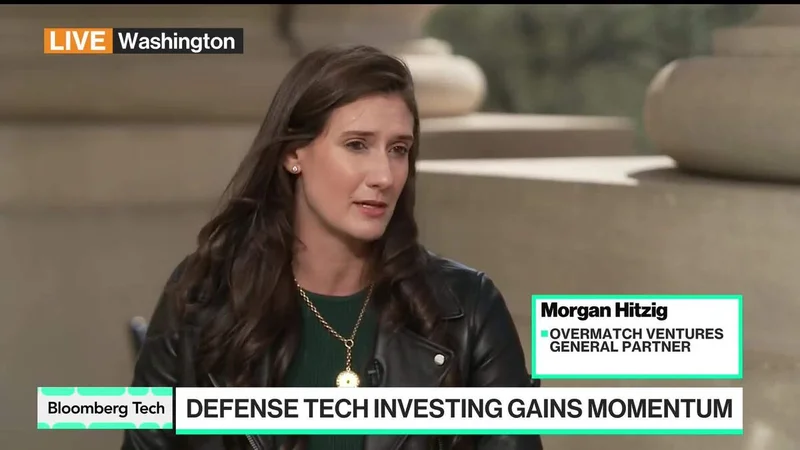
Image: Bloomberg AI
Main Takeaway
Overmatch Ventures raises $250 million to back dual-use startups building drones, spacecraft and portable renewable energy as defense tech investing.
Summary
Why is Overmatch Ventures raising $250 million now?
The firm is capitalizing on a 139% jump in venture funding for defense robotics and mounting geopolitical tension that makes dual-use technology attractive to both Pentagon buyers and commercial markets. According to Bloomberg AI, Overmatch will deploy the capital across early-stage companies developing drones, spacecraft and portable renewable energy systems that can serve military and civilian customers alike .
How does this fit the broader defense tech boom?
Venture dollars flowing into defense startups hit record levels in 2026, with drone deals alone accounting for much of the surge. Yahoo Finance reports a 139% spike in VC commitments to defense robotics, reflecting both Ukraine-style battlefield validation and new Pentagon programs like Replicator that speed procurement of autonomous systems. Overmatch’s fund arrives as other defense-focused investors, including Shield Capital and Andreessen Horowitz’s American Dynamism practice, are raising similar pools .
What kinds of startups will get the money?
The fund will target companies building hardware-software combinations where a single platform can toggle between commercial revenue and defense contracts. Think swarming drones that map wildfires one week and surveil conflict zones the next, or compact fusion batteries that power remote villages today and forward-operating bases tomorrow. Bloomberg notes Overmatch’s existing portfolio already includes firms working on AI-enabled drones and spacecraft propulsion, suggesting the new money will double down on those themes .
Who is behind Overmatch Ventures?
General Partner Morgan Hitzig, a former Palantir executive and Army Ranger, leads the San Francisco-based firm alongside co-founder Alex Moore, previously at Shield AI. The team mixes Silicon Valley venture DNA with national-security backgrounds, a profile that has become common among defense-tech investors after Ukraine demonstrated consumer-grade autonomy could be battlefield decisive .
What risks come with defense tech investing?
Regulatory approval cycles can stretch years, export-control rules limit international sales, and a change in administration could freeze Pentagon budgets overnight. Startups also face the classic dual-use dilemma: optimizing for defense margins can alienate commercial customers, while chasing consumer scale may leave the Pentagon unsatisfied. Investors like Overmatch mitigate these risks by backing founders with security clearances and dual revenue streams from day one .
How will this affect the drone and space sectors?
The fresh capital will accelerate consolidation among seed-stage drone and spacecraft companies that previously struggled to raise follow-on rounds. With $250 million earmarked for early bets, Overmatch can offer $5-15 million Series A checks at a time when traditional VCs are pulling back from hardware. That influx should push more startups toward defense-adjacent business models even if their original pitch was purely commercial, reshaping both sectors’ product roadmaps within 18-24 months .
What happens next?
Look for Overmatch to announce its first close by late Q2 2026 and begin deploying capital into 6-10 companies by year-end. Competitors including Lux Capital and Founders Fund are likely to respond with larger funds of their own, setting up a capital arms race in defense tech reminiscent of the 2021 SPAC frenzy. For founders, the window to pitch dual-use hardware has never been wider, but it may slam shut just as quickly if geopolitical tensions ease or Pentagon budgets pivot .
Key Points
Overmatch Ventures secures $250 million to invest in dual-use drone, spacecraft and portable energy startups.
Defense robotics VC funding jumped 139% in 2026, fueled by Ukraine conflict and Pentagon Replicator program.
Fund led by ex-Palantir executive and Army Ranger Morgan Hitzig alongside Shield AI veteran Alex Moore.
Capital will target early-stage companies with both commercial revenue and defense contract pathways.
Expected to accelerate consolidation and push more startups toward defense-adjacent models by late 2026.
FAQs
The firm raised $250 million to invest in early-stage defense tech startups.
Drones, spacecraft and portable renewable energy systems that serve both military and commercial customers.
General Partner Morgan Hitzig, a former Palantir executive and Army Ranger, co-founded the firm with Alex Moore, previously at Shield AI.
Ukraine battlefield validation of consumer-grade autonomy, Pentagon programs like Replicator, and a 139% jump in venture funding for defense robotics.
Long procurement cycles, export-control restrictions, political budget shifts, and the challenge of balancing defense margins with commercial scalability.
First close is expected by late Q2 2026 with initial investments in 6-10 companies by year-end.
Source Reliability
67% of sources are trusted · Avg reliability: 68
Go deeper with Organic Intel
Our AI for Your Business systems give you practical, step-by-step guides based on stories like this.
Explore ai for your business systems