California Billionaires Mobilize $40 Million Campaign Against Proposed 5% Wealth Tax
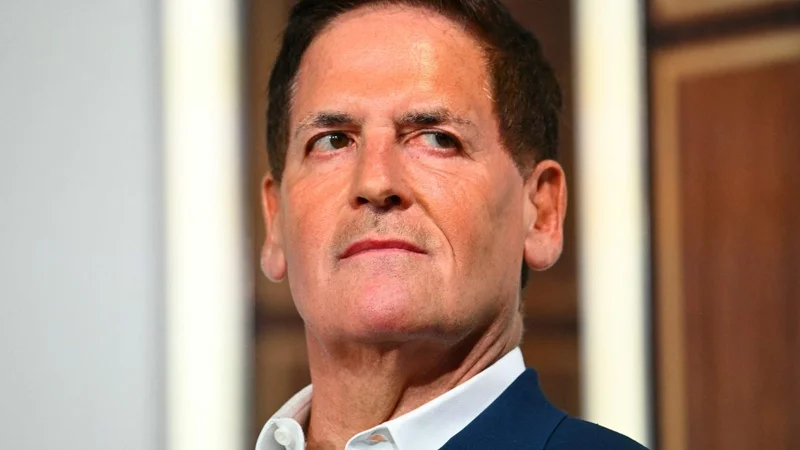
Image: Fortune AI
Main Takeaway
California billionaires have committed $40 million to defeat Proposition 40, a one-time 5% tax on residents with more than $1 billion in assets.
Jump to Key PointsSummary
The tax fight takes shape
California billionaires have committed roughly $40 million to defeat Proposition 40, a ballot measure proposing a one-time 5% tax on residents with more than $1 billion in assets. The money is flowing to Building a Better California, a political action committee created to oppose the initiative as the campaign enters a high-stakes phase.
Proposition 40 would direct the resulting revenue toward healthcare and other public programs. Its design targets a narrow group of residents, but the measure has opened a broader argument about whether California can raise funds from accumulated wealth without weakening its technology and startup economy.
What Proposition 40 would do
Proposition 40 would impose a one-time charge equal to 5% of the net worth of California residents whose assets exceed $1 billion. The measure is framed as a way to convert a portion of concentrated private wealth into funding for healthcare and related public needs, according to the California Budget & Policy Center.
The tax would be unusually large by personal-tax standards because it would be calculated from net worth rather than annual income. That structure places the debate around asset valuations, liquidity and residency, while supporters focus on the scale of resources held by California’s wealthiest residents. Polling cited in the coverage shows voters nearly divided over the proposal.
Why billionaires oppose it
Opponents argue that a wealth tax would encourage wealthy residents, investors and founders to move their assets or businesses outside California. Mark Cuban has made that case publicly, warning that the proposal would damage investment and push billion-dollar startups out of the state. His criticism has centered on the gap between a company’s paper valuation and the cash available to its founders.
Cuban also challenged Rep. Ro Khanna over the economics of startup ownership, saying Khanna doesn't understand how businesses are built and warning that ideology can't replace a workable growth strategy. Coverage across business and conservative outlets cast the dispute as evidence of a wider tension between progressive tax policy and wealthy Democratic supporters.
A fight inside the Democratic coalition
The proposal has exposed divisions among Democrats who agree on expanding public services but differ over how aggressively California should tax wealth. Khanna has defended the measure's policy rationale, while Cuban has presented himself as a Democratic-aligned entrepreneur who supports public investment but rejects what he views as a threat to startup formation.
That disagreement matters because California's technology economy depends on founders whose wealth often comes from equity rather than salary. A tax tied to net worth can become expensive when private-company valuations rise, even before an owner sells shares. Supporters answer that the measure applies only to billionaires and would capture a small portion of fortunes accumulated in a state that has generated enormous private wealth.
The campaign’s next test
The $40 million fundraising push gives opponents a substantial platform for advertising, voter outreach and legal messaging before the vote. Their campaign will focus on relocation, investment and the difficulty of valuing private assets. Supporters will emphasize healthcare funding, the narrow target group and the argument that California's richest residents can absorb a one-time contribution.
The nearly even polling makes the campaign's framing decisive. A measure that sounds limited in scope can still produce a large political backlash when voters associate it with business flight or reduced investment. The result will also provide a test of whether public support for taxing billionaires survives a direct campaign funded by billionaires themselves.
What the vote could signal
Proposition 40 has become a referendum on California's economic model as much as a tax proposal. Approval would give supporters a high-profile example of a state using a one-time wealth levy to finance public programs. Defeat would reinforce arguments that taxing unrealized or concentrated wealth threatens the companies and investment networks that drive the state economy.
The dispute between Cuban and Khanna ensures that the campaign reaches beyond tax specialists. It puts startup formation, billionaire influence, healthcare funding and Democratic economic politics in the same contest. For founders and investors, the immediate issue is whether California remains a safe base for valuable private companies. For voters, the question is whether that concern outweighs the promise of new public revenue.
Key Points
California billionaires have committed $40 million to defeat Proposition 40’s proposed one-time wealth tax.
Proposition 40 would charge California residents with over $1 billion in assets 5% of net worth.
Mark Cuban says the wealth tax would drive startups, founders and investment out of California.
Ro Khanna and Cuban represent opposing Democratic views on billionaire taxation and startup economics.
Building a Better California is leading the political campaign against Proposition 40.
Questions Answered
California Proposition 40 is a proposed one-time tax on residents with more than $1 billion in assets. It would charge 5% of their net worth and direct revenue toward healthcare and other public programs.
California billionaires have committed about $40 million to oppose Proposition 40. The funds are being routed through Building a Better California, a political action committee formed to defeat the measure.
Mark Cuban opposes California’s wealth tax because he says it would harm startups and drive founders and investment out of the state. He argues that founders often hold wealth in illiquid company shares rather than cash.
Ro Khanna supports the policy rationale behind taxing extreme wealth to fund public programs, while Mark Cuban argues the approach threatens business formation. Their dispute reflects a broader division among Democrats over startup economics and redistribution.
Proposition 40 would target California residents with more than $1 billion in assets rather than ordinary taxpayers. The central policy dispute concerns how the state would value private holdings and collect a one-time tax.
Source Reliability
44% of sources are trusted · Avg reliability: 66
Go deeper with Organic Intel
Simple AI systems for your life, work, and business. Each one includes copyable prompts, guides, and downloadable resources.
Explore Systems