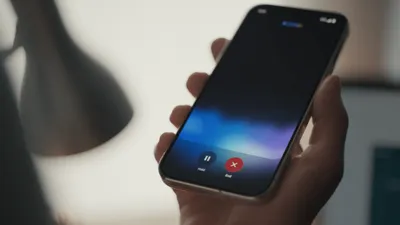
Apple's WWDC 2026 Unveils Google-Powered Intelligence System Amid Developer Hopes for Deeper AI Tools
Image: Developer.apple
Main Takeaway
Apple unveiled a new intelligence system powered by Google technology at WWDC 2026, while developers pushed for more powerful APIs.
Jump to Key PointsSummary
What Apple announced at WWDC 2026
Apple pulled back the curtain on a new intelligence system at its Worldwide Developers Conference, with Bloomberg reporting that the underlying technology comes from Google. The partnership marks a notable shift for a company that has historically kept its AI efforts close to the chest, preferring to brand capabilities as Apple-built even when they rest on external foundations.
The keynote presentation, hosted in Cupertino, offered few specifics on how deeply Google's technology is woven into the stack. Apple has not issued detailed technical documentation or API references at this stage, leaving developers to parse keynote rhetoric for clues about what they will actually be able to build.
Why the Google partnership matters
The Google underpinning is significant because Apple has spent years positioning itself as the privacy-first alternative to data-hungry rivals. Leaning on Google's infrastructure for intelligence features complicates that narrative, even if the user-facing branding remains purely Apple. It also signals that Apple's internal AI efforts, including its own large language model work, may not yet be ready to carry consumer-facing products at scale.
For Google, the deal secures a high-profile distribution partner at a moment when it is racing Microsoft and OpenAI for enterprise and consumer AI market share. The arrangement mirrors Google's cloud AI deals with other major hardware makers, though Apple's walled garden makes this integration unusually consequential for end users.
What developers are actually hoping for
Paul Hudson, creator of the Hacking with Swift training platform, told Bloomberg that the developer community wants "great APIs" out of this year's conference. His phrasing is telling: it implies that previous Apple intelligence announcements have been heavy on consumer demos and light on tools that engineers can hook into directly.
Developers have grown wary of keynote promises that do not translate into flexible, well-documented interfaces. Hudson's presence at the event in Cupertino suggests Apple is at least aware of the sentiment, even if it remains unclear whether this year's releases will address it. The Apple Developer site is promoting WWDC26 session videos and Group Labs, suggesting the company expects substantial content to filter out after the keynote.
The Shortcuts question
A separate Medium analysis raised the possibility that WWDC 2026 could finally make Apple Shortcuts genuinely useful, presumably by connecting the automation tool more deeply to the new intelligence system. Shortcuts has languished in a middle ground: powerful enough to confuse casual users, yet too limited to satisfy power users who compare it to more open automation frameworks.
If the Google-powered intelligence system feeds into Shortcuts with natural language understanding and contextual awareness, Apple could turn a neglected feature into a genuine differentiator. That depends entirely on whether the integration is surface-level or structural, something the keynote did not fully clarify.
What happens next for the ecosystem
The real test of WWDC 2026 will arrive in the weeks after the keynote, as developers download beta software and test whether the new intelligence APIs support the use cases they actually care about. Apple's Developer Program messaging emphasizes "advanced app capabilities" and "extensive beta testing tools," which reads as standard boilerplate unless the company backs it with substance this cycle.
If the Google partnership enables faster iteration on intelligence features than Apple could achieve alone, the ecosystem may benefit even if the branding feels less authentically Apple. The risk is that developers receive another year of hand-waving about AI, with no more access to the underlying models than they had before. Hudson's hope for "great APIs" will either be rewarded or become another data point in a growing pattern of frustration.
Key Points
Apple unveiled an intelligence system at WWDC 2026 that relies on Google technology underneath
Developer Paul Hudson publicly called for Apple to deliver genuinely useful APIs this year
The Google partnership challenges Apple's long-standing privacy-first competitive positioning
Apple Shortcuts may finally gain meaningful AI capabilities through the new system
Post-keynote developer access to beta tools and documentation will determine real impact
Questions Answered
Apple unveiled the intelligence system, but Bloomberg reports it is underpinned by Google technology. The exact division of labor between the two companies has not been detailed.
Leading Apple developer Paul Hudson wants "great APIs" that let third-party apps tap into the new intelligence capabilities, rather than just consumer-facing demos.
The new intelligence system could improve Shortcuts significantly if Apple connects it to natural language understanding, though the depth of integration remains unclear.
Apple is making session videos, Group Labs, and beta software available through its Developer Program portal, which requires membership.
The partnership suggests Apple's internal AI efforts may not yet meet the scale or performance needed for consumer products, though Apple has not commented publicly.
Source Reliability
67% of sources are highly trusted · Avg reliability: 74
Go deeper with Organic Intel
Simple AI systems for your life, work, and business. Each one includes copyable prompts, guides, and downloadable resources.
Explore Systems