Apple's Standalone Siri App to Launch as 'Siri X' in iOS 27 With Subscription Tier and Customizable Personas
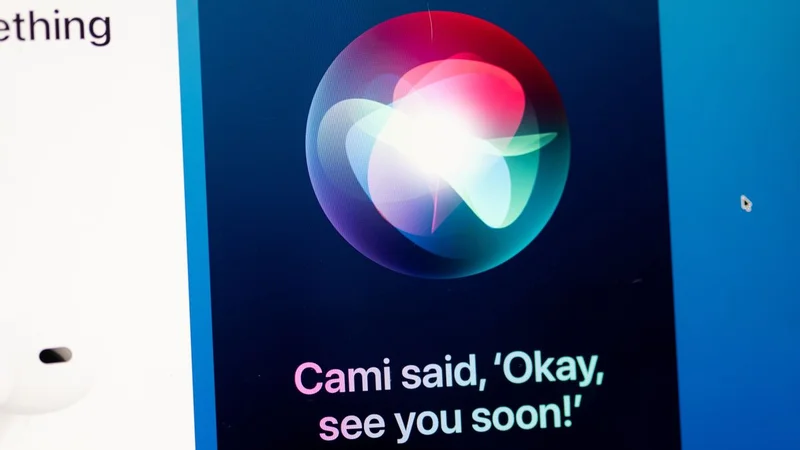
Image: Bloomberg AI
Main Takeaway
Apple will launch its rebuilt Siri as a standalone app called 'Siri X' in iOS 27, featuring ChatGPT-style conversations, auto-deleting chats, customizable 'Siri Personas,' and a $4.99/month premium tier. The beta-labeled release marks Apple's most aggressive move yet against ChatGPT and Gemini, though key privacy features faced delays from earlier iOS versions.
Jump to Key PointsSummary
Why Apple is finally rebuilding Siri
Apple is preparing to launch a standalone Siri application in iOS 27 that transforms the voice assistant into a full-fledged conversational chatbot, according to multiple reports. The move represents the company's most significant attempt yet to compete with OpenAI's ChatGPT, Google's Gemini, and other AI assistants that have dominated the market while Siri stagnated.
The new app, internally codenamed "Siri X" and expected to debut in beta at WWDC 2026 next month, will feature a ChatGPT-style interface with ongoing conversation capabilities, chat history, and file upload support. According to Bloomberg's Mark Gurman, the redesign represents a fundamental shift from Siri's current command-and-response model. Apple first promised a major Siri overhaul approximately two years ago, but the company has struggled to deliver on that timeline. The beta label suggests Apple is still managing expectations about the assistant's readiness even as it finally brings the product to market.
The app will launch with a free tier supporting basic queries and a $4.99 monthly subscription unlocking advanced features including longer context windows, priority processing, and enhanced file analysis capabilities. This marks Apple's first direct attempt to monetize Siri through subscription revenue, a model the company has resisted for years while services like ChatGPT Plus and Gemini Advanced built thriving paid tiers.
How the auto-delete feature actually works
The standout privacy feature in the new Siri app is a configurable auto-delete system for chat histories. Users will be able to choose between three retention settings: 30 days, one year, or permanent storage. This approach borrows directly from the auto-delete functionality already present in Apple's Messages app, creating consistency across the company's ecosystem.
According to Engadget and Thenextweb, the feature is designed to address growing user concerns about AI assistants retaining sensitive conversation data indefinitely. Most competing chatbots, including ChatGPT, store conversation history by default with varying degrees of transparency about how that data trains future models. Apple's retention controls give users explicit choice, though the company has not clarified whether deleted chats are fully purged from Apple's servers or simply removed from user-facing interfaces.
Notably, this auto-delete functionality was originally slated for iOS 26 but was pushed back after engineering teams encountered unexpected complexity in implementing server-side deletion that respected regional data privacy laws including GDPR and emerging state-level regulations in the US. The delay contributed to the broader Siri overhaul slipping its original 2025 target.
Siri Personas and the personality problem
Perhaps the most unexpected addition to the standalone Siri app is "Siri Personas," a feature allowing users to select from several distinct assistant personalities with varying tones, humor styles, and conversational approaches. Early options include "Professional," "Casual," "Witty," and a personality reportedly modeled after classic sci-fi AI assistants, though Apple has not licensed any specific character voices.
The Personas feature directly addresses a longstanding criticism of Siri: its flat, occasionally grating personality that has changed little since the assistant's 2011 debut. Competitors like Character.AI and even ChatGPT's customizable GPTs have demonstrated strong user appetite for personalized AI interactions. Apple's approach appears more constrained than those alternatives, with the company pre-approving personality options rather than allowing open-ended customization, likely to avoid brand-damaging incidents or inappropriate responses.
Developers familiar with the feature say Personas affect not just tone but also the types of suggestions Siri offers, with the "Witty" persona more likely to suggest entertainment options and "Professional" prioritizing productivity and scheduling assistance. Whether these differences represent genuine behavioral variation or surface-level linguistic tweaks remains unclear until hands-on testing becomes available.
The subscription calculus
Apple's decision to charge $4.99 monthly for premium Siri features represents a significant strategic pivot. The company has historically treated Siri as a loss-leader ecosystem feature designed to sell iPhones, not as a standalone revenue generator. That model crumbled as free alternatives from OpenAI and Google surpassed Siri's capabilities, making the assistant a competitive liability rather than an asset.
The pricing undercuts ChatGPT Plus ($20/month) and Gemini Advanced ($19.99/month) substantially, suggesting Apple is betting on hardware integration and default status to drive adoption rather than matching competitors feature-for-feature. Free tier users will face usage limits that reset weekly, a restriction designed to push power users toward paid conversion without disabling core functionality.
Analysts at Morgan Stanley and Wedbush have offered divergent views on the revenue potential. Morgan Stanley estimates 15-20% free-to-paid conversion among active Siri users would generate approximately $4 billion annually, while Wedbush argues the low price point reflects Apple's recognition that Siri remains behind competitors technically and cannot command premium pricing yet.
What the beta label actually means
Apple's decision to ship Siri X with an explicit beta tag reflects both genuine uncertainty about the product's readiness and strategic expectation management. The company has burned significant credibility on Siri promises, most notably announcing a major AI-powered overhaul at WWDC 2024 that failed to materialize in the promised form.
The beta designation gives Apple cover for inconsistent responses, hallucinations, and feature gaps that would draw harsher criticism under a full release. It also creates a feedback mechanism, with beta users explicitly opted into sharing conversation data for model improvement, a practice Apple has historically been reluctant to embrace.
Sources indicate the beta will remain active through at least iOS 27.2, with a general availability target of early 2027 assuming no further delays. Apple has reportedly established internal quality benchmarks, including response accuracy thresholds and latency targets, that must be met before the beta label retires. Whether those benchmarks are publicly disclosed or remain internal guardrails will significantly shape user trust in the rebuilt assistant.
The competitive landscape Apple actually faces
Siri X enters a market radically different from the one where the original assistant briefly led. ChatGPT's 200 million weekly active users, Gemini's deep Google service integration, and Anthropic's Claude gaining traction in professional contexts all represent entrenched competition with years of iteration advantage.
Apple's remaining advantages are substantial but narrow: approximately 2.2 billion active devices providing distribution unmatched by any competitor, deep OS-level integration impossible for third-party apps, and a privacy brand that resonates particularly with users concerned about AI data practices. The auto-delete feature and on-device processing for certain queries (detailed in Apple's earlier AI announcements) leverage this positioning directly.
Whether those advantages translate to usage rather than mere installation is the open question dominating internal discussions, according to sources familiar with the project. Siri's reputation for incompetence has hardened into cultural shorthand, the subject of years of jokes and abandoned usage. Rebuilding that trust, even with technically competent underlying models, requires more than a new app icon and subscription tier. The beta period will test whether Apple's hardware advantages can overcome its AI credibility deficit.
Key Points
Apple's rebuilt Siri launches as standalone 'Siri X' app in iOS 27 beta, featuring ChatGPT-style conversations and file uploads
Auto-delete chat history with 30-day, 1-year, or permanent retention options, delayed from iOS 26 due to engineering complexity
$4.99/month premium subscription unlocks advanced features; free tier has weekly usage limits
New 'Siri Personas' feature offers customizable assistant personalities including Professional, Casual, and Witty variants
Beta label expected through iOS 27.2 with general availability targeted for early 2027
Questions Answered
It's the internal codename for the rebuilt standalone Siri app. Apple hasn't confirmed whether this will be the public-facing name or a temporary development identifier.
Engineering teams encountered unexpected complexity implementing server-side deletion that complied with GDPR and US state privacy laws. The delay contributed to the broader Siri overhaul missing its original 2025 target.
Free tier includes basic queries with weekly usage limits. The $4.99/month premium tier adds longer context windows, priority processing, and enhanced file analysis.
Personas adjust tone, humor style, and the types of suggestions offered. 'Witty' leans toward entertainment recommendations; 'Professional' prioritizes productivity and scheduling. Apple pre-approves all personality options rather than allowing open customization.
Apple is targeting general availability in early 2027, assuming internal quality benchmarks for response accuracy and latency are met. The beta is expected to persist through at least iOS 27.2.
Source Reliability
50% of sources are trusted · Avg reliability: 76
Go deeper with Organic Intel
Simple AI systems for your life, work, and business. Each one includes copyable prompts, guides, and downloadable resources.
Explore Systems