Apple Expands Smart Home Plans With LG-Built Doorbell, Lock and Thermostat
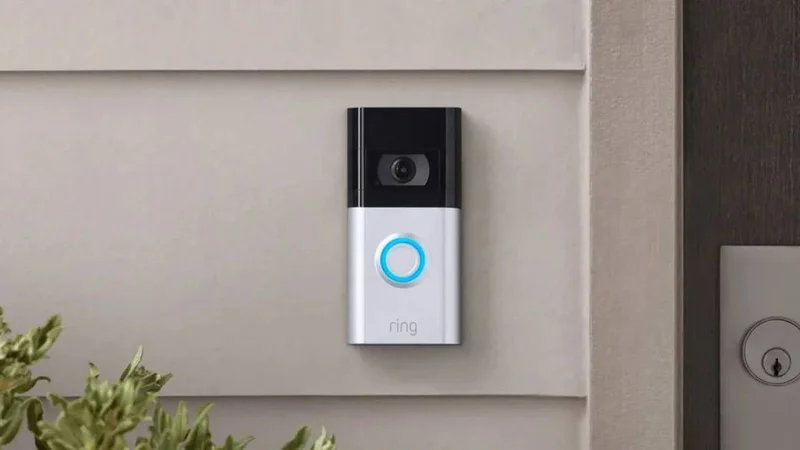
Image: Macrumors
Main Takeaway
Apple is preparing a broader smart home lineup with LG, including a Face ID doorbell, connected lock and thermostat aimed at challenging Amazon and Google.
Jump to Key PointsSummary
Apple’s smart home lineup expands
Apple is preparing a broader smart home push centered on a doorbell, connected lock and thermostat developed with LG Electronics. The products extend beyond Apple’s earlier reported plan for a Face ID-enabled entry system and give the company a larger hardware response to Amazon Ring, Google Nest and established smart home brands.
The LG relationship is the central new detail. Bloomberg identifies the partnership as an unusual arrangement for Apple’s home hardware strategy, while its companion video describes the same group of products. The reports do not provide pricing, specifications or confirmed launch dates, leaving the lineup’s commercial shape unresolved.
Face ID anchors the entry system
The doorbell is designed to recognize authorized household members and connect wirelessly to a compatible deadbolt, allowing the door to unlock automatically. That concept was first described in late 2024 reporting and remains the clearest feature associated with Apple’s entry product.
Apple’s system would compete directly with Ring while fitting into HomeKit-compatible homes. MacRumors and CNET said Apple had considered support for third-party locks, as well as a bundled arrangement with a hardware partner. Earlier coverage did not establish whether the doorbell would include video recording, although the product is consistently described as a camera-based security device.
LG changes the product strategy
LG’s involvement places the planned devices inside a wider ecosystem rather than treating the doorbell as a standalone Apple accessory. A shared development effort could cover the lock, thermostat and other home products, giving Apple a path into climate control and access management alongside its existing Home app and connected-device platform.
The partnership also links Apple’s software, privacy and ecosystem strengths with LG’s experience in appliances and home electronics. That division of work matters because thermostats and locks require installation, electrical compatibility and long-term hardware support, areas where Apple has limited direct experience. The Bloomberg reports identify the collaboration but provide no engineering or manufacturing details.
Privacy will shape adoption
Facial recognition at a front door raises a higher privacy bar than phone authentication because the system monitors a fixed, exterior-facing location. Earlier reports said Apple would handle biometric information with the same security approach associated with Face ID, including processing designed to keep sensitive identity data protected from other hardware systems.
That promise would need to cover false matches, guests, delivery workers, children and failed recognition in darkness or poor weather. A reliable fallback, such as a passcode, physical key or approved device, would also be essential. Apple’s HomeKit integration gives the company a privacy-centered sales message, but the reporting provides no final details about local processing, cloud storage, emergency access or video retention.
Apple enters a crowded market
Apple is entering a category where Amazon and Google already sell mature doorbell and home security products. Ring has built recognition around cameras and delivery monitoring, while Nest connects doorbells, thermostats and other home devices through Google’s ecosystem. Apple’s advantage is the tight relationship among iPhone, Apple Watch, Home and biometric authentication.
The thermostat broadens the competitive challenge. It would put Apple and LG closer to the daily household controls managed by Google Nest, Ecobee and appliance makers, while the lock could make Apple’s platform relevant at the moment residents enter their homes. Success will depend on installation, compatibility and price as much as on brand loyalty.
What happens before launch
Apple and LG still face several practical hurdles before these products reach consumers. The companies must finalize the hardware, determine how the devices work with existing HomeKit accessories, establish support for different locks and wiring standards, and explain how biometric and camera data are handled.
The timetable has also shifted across the reporting. The original Face ID doorbell coverage placed a possible release at the end of 2025 at the earliest, while later coverage points to a broader lineup and does not state a firm date. Until Apple announces the products, the doorbell, lock and thermostat remain a reported development program rather than confirmed retail products.
Key Points
Apple is planning an LG-developed smart home lineup featuring a Face ID doorbell, lock and thermostat.
Apple’s doorbell would recognize residents and wirelessly unlock a compatible deadbolt.
LG brings appliance and home electronics expertise to Apple’s broader HomeKit strategy.
The products would challenge Amazon Ring, Google Nest and established thermostat manufacturers.
Launch timing, pricing, video features and biometric data handling remain undisclosed.
Questions Answered
Apple is developing a smart doorbell, connected lock, thermostat and other home accessories with LG Electronics. The products are intended to work within Apple’s HomeKit-centered ecosystem.
Apple’s doorbell would identify authorized residents and wirelessly connect to a compatible deadbolt. The lock could unlock automatically after recognizing a registered person, similar to Face ID authentication on an iPhone.
Apple has not announced a confirmed release date for the LG-developed products. Earlier reporting placed the Face ID doorbell no earlier than the end of 2025, while later coverage does not provide a firm timetable.
Apple’s doorbell is reported to support third-party HomeKit-compatible locks, although Apple could also offer an integrated lock through its partnership with LG or another manufacturer. Final compatibility details have not been announced.
Apple is expected to apply Face ID-style security protections to biometric information used by the doorbell. Details about local processing, cloud storage, video retention and backup entry methods remain unavailable.
Source Reliability
50% of sources are established · Avg reliability: 72
Go deeper with Organic Intel
Simple AI systems for your life, work, and business. Each one includes copyable prompts, guides, and downloadable resources.
Explore Systems