Amazon Pledges $1 Billion for Data Center Communities as AI Infrastructure Backlash Intensifies
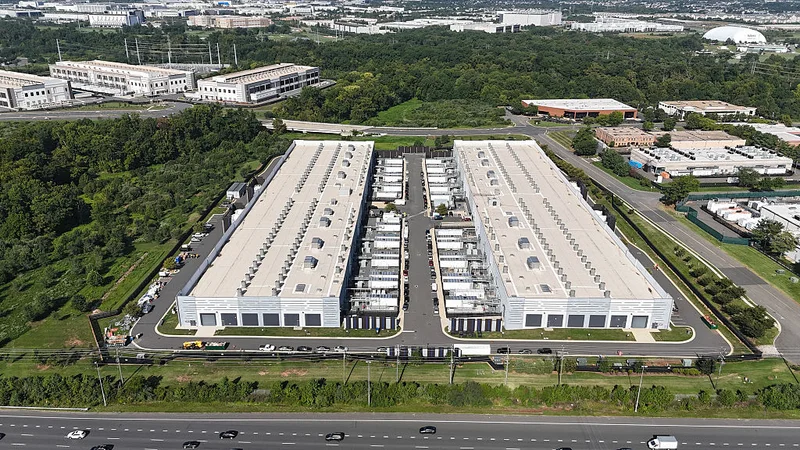
Image: Ars Technica AI
Main Takeaway
Amazon will invest more than $1 billion over 5 years in communities hosting its data centers as concerns grow over water, power, pollution and local control.
Jump to Key PointsSummary
Amazon’s community investment plan
Amazon will invest more than $1 billion over the next 5 years in communities that host its data centers, directing money toward education, job training, energy affordability, water preservation and locally chosen priorities. AWS CEO Matt Garman announced the commitment in a company blog post as opposition grows around the infrastructure required to expand artificial intelligence services.
The pledge accompanies commitments on utility costs and water use. Amazon says its data centers won't raise local power bills or exhaust community water supplies, and it has promised to become water positive by 2030. The company has already spent more than $1 billion in communities with major data center operations, according to the announcement and coverage from AP News, Registercitizen and Money.usnews.
Why data centers face resistance
The backlash centers on the physical demands of large computing campuses: electricity, water, land and construction. Amazon's planned expansion includes a $12 billion investment in data centers and supporting infrastructure across Louisiana's Caddo and Bossier parishes, where the company expects 540 full-time data center jobs and about 1,700 additional supporting roles, CNBC reported.
Residents and officials are weighing those economic gains against questions about pollution, grid capacity and whether communities receive enough control over projects that can reshape local infrastructure. The debate has spread beyond opposition to Amazon itself. A commentary published by Blog.andymasley argues that public concern is focused chiefly on the concrete effects of data centers, including their demands on host communities, rather than on a single partisan or ideological dispute.
Amazon links buildout to AI competition
Amazon is presenting local approvals as part of a national contest over artificial intelligence. The company argues that blocking data center projects threatens U.S. leadership in AI, economic growth and national security. Garman's blog post warned that the country cannot afford to lose the race for AI dominance, while The Verge characterized the message as an alarmist appeal to communities.
That framing places local debates inside a much larger investment cycle. Amazon has committed up to $200 billion in 2026 toward AI-related spending, including data centers, chips and networking equipment, CNBC reported. The scale gives communities more bargaining power, but it also raises the stakes of permitting fights. A local decision can affect jobs and tax revenue while also determining how much energy and water capacity is assigned to commercial computing.
The response draws fresh criticism
Amazon's plan addresses several complaints while leaving critics dissatisfied with the company's presentation of environmental costs. Ars Technica reported that Amazon's promise to end non-disclosure agreements earned praise, but that the company drew criticism for downplaying data center pollution. The publication also described the $1 billion plan as attracting further backlash rather than closing the dispute.
The criticism reflects a gap between financial commitments and public accountability. Community funding can pay for training, conservation or local projects, but residents still need clear information about emissions, water withdrawals, electricity demand, timelines and enforcement. The investment therefore functions both as a benefit-sharing program and as a test of whether Amazon can make its infrastructure plans more transparent.
What communities will measure
The success of Amazon's pledge will depend on results at individual sites, not only on the headline figure. Communities will measure whether funds produce durable jobs and training, whether conservation projects offset industrial demand, and whether power costs remain stable as new campuses connect to regional grids.
Amazon's water-positive-by-2030 goal and promise not to drain local supplies create benchmarks for future scrutiny. Its Louisiana expansion shows why those benchmarks matter: large capital commitments can bring substantial construction and operating activity, yet permanent staffing remains much smaller than the total project price. Local governments will also have to assess whether negotiated benefits match the long-term demands of AI infrastructure.
The next test is implementation
Amazon's announcement shifts the argument from whether data centers bring benefits to how those benefits are selected, tracked and enforced. The company says host communities will help determine how money is spent, giving local officials and residents a role in setting priorities.
The coming phase will test whether that model reduces opposition or simply adds a community package to a rapidly expanding construction program. Amazon's competitors face similar questions as they build AI capacity, making the company's commitments a precedent for the broader cloud industry. Clear reporting on spending, water performance, power costs, pollution and job outcomes will determine whether the $1 billion pledge earns public trust.
Key Points
Amazon will invest more than $1 billion over 5 years in communities hosting its data centers.
Amazon promised water-positive operations by 2030 and protections against higher local power bills.
Amazon linked local data center approvals to U.S. artificial intelligence leadership and national security.
Critics accused Amazon of downplaying pollution while using community funding to answer infrastructure backlash.
Amazon’s $12 billion Louisiana expansion illustrates the jobs and resource tradeoffs facing host communities.
Questions Answered
Amazon will invest more than $1 billion over 5 years in communities hosting its data centers. The money will support education, job training, energy affordability, water preservation and local priorities.
Amazon is facing backlash over the electricity, water, pollution and land demands of large AI data centers. Residents and officials are also seeking greater transparency and influence over local projects.
Amazon promised that its data centers won't raise local power bills or exhaust community water supplies. The company also committed to becoming water positive by 2030.
Amazon plans to spend $12 billion on data center campuses and supporting infrastructure in Louisiana. The project is expected to create 540 full-time data center jobs and support about 1,700 additional roles.
Amazon's next test is showing that its community investments produce measurable benefits. Communities will track spending, jobs, water performance, power costs, pollution and enforcement of the company's commitments.
Source Reliability
67% of sources are highly trusted · Avg reliability: 80
Go deeper with Organic Intel
Simple AI systems for your life, work, and business. Each one includes copyable prompts, guides, and downloadable resources.
Explore Systems