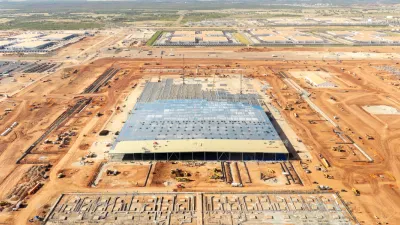
Amazon’s Texas AI Data Center Faces Scrutiny Over Potentially Largest US Power Plant Emissions
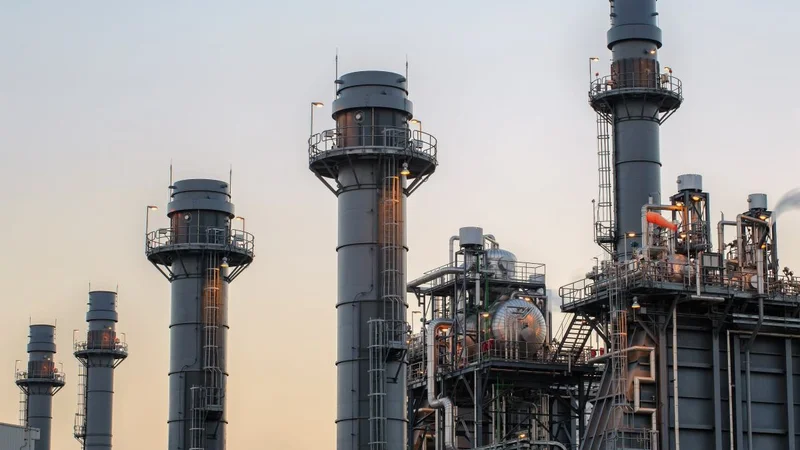
Image: TechCrunch AI
Main Takeaway
Amazon-backed natural gas generation for a planned Texas data center received a permit for up to 33 million tons of annual carbon dioxide emissions.
Jump to Key PointsSummary
The Texas project at issue
Amazon is backing a planned data center in Pecos County, Texas, alongside a natural gas power plant permitted to release up to 33 million tons of carbon dioxide annually, according to The New York Times, as cited by TechCrunch, The Verge, and Ars Technica. That permitted amount would exceed the annual emissions of any existing U.S. power plant if fully used.
The facility would initially operate outside Texas’s main electricity grid. The Verge reports that the plant’s generating capacity is about 35 times larger than the typical backup systems attached to data centers, while Amazon describes the arrangement as new on-site generation designed to avoid raising electricity costs for Texas households. The project links a rapidly expanding AI computing buildout directly to fossil-fuel generation.
Why the emissions figure matters
The 33-million-ton figure is a permit ceiling, not a reported annual operating total, but it establishes the scale regulators authorized. TechCrunch characterizes the plant as a possible largest single source of climate pollution in the country, while Ars Technica places the project within a broader shift toward gas plants built alongside data centers.
Amazon’s existing emissions provide wider context. BGR reports that the company’s 2025 absolute greenhouse-gas emissions rose 16% to 80.9 million metric tons of carbon dioxide equivalent, exceeding New Zealand’s reported 2024 total of 75.8 million tons. Purchased-electricity emissions rose 34%, reflecting the energy demands of Amazon’s broader operations, including cloud computing and AI infrastructure.
AI growth meets fossil power
The project shows how AI demand is changing data-center power planning. Large computing campuses require steady electricity, while new grid connections, transmission lines, and generation projects often take years to build. On-site gas generation gives Amazon a dedicated supply and separates the facility, at least initially, from grid constraints.
That choice also shifts pollution closer to the host community and raises questions about how emissions are counted. The Verge reports that Amazon has invested significantly in the plant, while Ars Technica notes that gas-burning facilities emit climate pollution and health-threatening pollutants associated with asthma, heart disease, lung cancer, and strokes. Heatmap frames the project as a major fossil-fuel plant built specifically to power AI, though its available report provides fewer independently detailed figures.
Local air-quality risks
Data-center pollution concerns extend beyond Texas and beyond routine plant emissions. OPB reports that large facilities in Eastern Oregon rely on train-car-sized diesel generators for backup power during outages. In the Lower Umatilla Basin, which has 14 large data centers, an hour-long region-wide blackout could produce pollution comparable to emissions from 38,000 semi-trucks operating for an hour.
The Oregon example illustrates a separate risk from Amazon’s Texas plan: communities face pollution from emergency power systems when grids fail, even when facilities ordinarily draw electricity from the network. OPB says some local officials view the economic gains as worth the air-quality burden, while residents and environmental advocates remain concerned about diesel exhaust, grid instability, and the concentration of industrial infrastructure near homes. The Texas project’s gas plant and Oregon’s backup generators reflect different power arrangements with similar community-level tradeoffs.
Pressure on regulators and utilities
The Amazon project arrives as data-center developers face growing scrutiny over electricity prices, pollution, water use, and permitting. TechCrunch reports that data centers have encountered political opposition in several jurisdictions, including efforts to halt new construction. Amazon says its on-site generation won't raise electricity costs for Texas families, directly addressing one of the central objections to large computing campuses.
Ars Technica reports that some communities are seeking stricter environmental reviews as gas plants become attached to data-center proposals. The publication also says the Trump administration favors faster approvals, including pathways that can bypass some permitting requirements. That creates a policy tension: data-center operators want power quickly enough to meet AI demand, while communities and regulators are weighing emissions, health effects, and grid consequences.
What happens next
The immediate issue is whether Amazon’s permitted emissions translate into actual operations at the authorized scale. The project’s reported ceiling makes it a major test of how regulators evaluate dedicated power plants for AI facilities, especially when those plants sit outside the grid and serve a single customer.
Amazon’s sustainability record and future energy choices will receive close attention. BGR’s figures show emissions rising even as Amazon has expanded renewable-energy commitments, while Heatmap and The Verge emphasize the fossil-fuel infrastructure planned for the Texas campus. Decisions about gas use, renewable procurement, grid interconnection, pollution controls, and backup generation will shape whether AI growth adds pressure to local communities or drives faster investment in cleaner power.
Key Points
Amazon is backing a Texas gas power plant permitted for up to 33 million tons of annual carbon dioxide emissions.
The Pecos County facility would initially operate outside Texas’s main electricity grid to supply Amazon’s AI data center.
Amazon’s 2025 emissions rose 16% to 80.9 million metric tons, according to its sustainability reporting cited by BGR.
Data centers add pollution risks through both dedicated gas plants and diesel backup generators during grid outages.
Regulators face pressure to balance AI infrastructure growth against climate pollution, public health, and electricity costs.
Questions Answered
Amazon’s planned Pecos County power plant received a permit for up to 33 million tons of carbon dioxide emissions annually. The figure is a permitted maximum, not a confirmed operating total.
Amazon is using on-site generation to provide dedicated electricity for its Texas data center. The company says the arrangement won't raise electricity costs for Texas families, while reports link it to the need for reliable power for AI computing.
Amazon’s planned plant could become the largest single U.S. source of climate pollution if it releases the full permitted amount. The comparison concerns authorized annual carbon dioxide emissions, not verified emissions from an operating facility.
Amazon’s reported absolute emissions increased 16% in 2025 to 80.9 million metric tons of carbon dioxide equivalent. BGR also reported a 34% increase in emissions from purchased electricity.
Data centers can run large diesel generators when grid power fails, producing concentrated local exhaust. OPB reports that an hour-long regional outage near 14 Eastern Oregon data centers could generate pollution comparable to 38,000 semi-trucks operating for an hour.
Source Reliability
50% of sources are highly trusted · Avg reliability: 72
Go deeper with Organic Intel
Simple AI systems for your life, work, and business. Each one includes copyable prompts, guides, and downloadable resources.
Explore Systems