Airbnb Sets 2027 Target for AI Travel Agent as Company Rebuilds Around AI
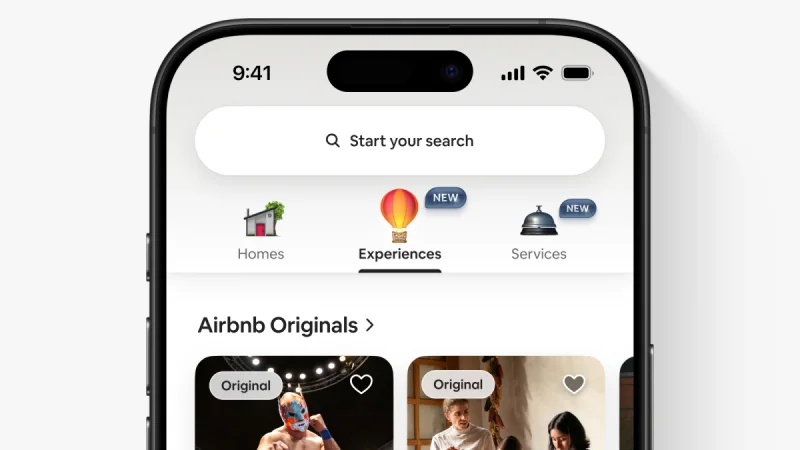
Image: TechCrunch AI
Main Takeaway
Airbnb plans to launch an AI travel agent in the first half of 2027, combining trip planning, booking support, and in-stay assistance in a travel-focused interface.
Jump to Key PointsSummary
Airbnb sets a 2027 launch target
Airbnb plans to launch an AI travel agent in the first half of 2027, turning its existing rental marketplace into a broader trip-planning service. The agent is designed to help travelers plan itineraries, compare choices, manage reservations, and receive support during a stay. Airbnb disclosed the timing in its third-quarter shareholder letter, after previewing the project in earlier comments from CEO Brian Chesky.
The initiative gives Airbnb a defined timetable for a product Chesky has described as central to the company’s future. The planned experience is “AI-native,” with an interface built specifically around travel rather than a general-purpose chatbot. The Verge, TechCrunch, and Skift each identified 2027 as the company’s target, although the project remains under development.
Trip planning moves beyond property search
Airbnb’s proposed agent would connect several stages of travel that currently sit across separate searches and support interactions. A traveler could use it to shape a trip, evaluate accommodations and activities, handle booking-related tasks, and seek help after arrival. That broader scope reflects Airbnb’s effort to become part of the entire travel journey, not only the lodging decision.
The company’s fall product push also includes AI tools and an expanding customer-service agent. One rollout has reached half of Airbnb’s US customers, according to coverage carried by Finance.yahoo. Chesky has framed the company’s long-term ambition as becoming an AI travel agent, while other reporting has described the product as part of an AI-first app strategy.
Booking control remains contested
Airbnb’s own agent and outside agents will not necessarily receive the same access to the platform. Chesky said Airbnb was unlikely to let external systems such as Muse make bookings directly, according to Nikkei Asia. That position keeps the company in control of transactions, customer relationships, payments, and the data generated by travel activity.
The distinction matters because autonomous travel agents threaten to move customer discovery away from booking platforms. A third-party agent could compare Airbnb with hotels, airlines, activities, and competing rental services before presenting a recommendation. The Wall Street Journal framed agentic software as a threat to travel businesses, while Nikkei’s account highlighted Airbnb’s decision to retain authority over its own booking flow.
Airbnb’s AI-first strategy takes shape
The travel agent is one part of a wider shift toward AI across Airbnb’s consumer and support products. Customer-service automation offers the company an immediate operational use case, while trip planning represents a larger change to how guests discover destinations and make decisions. Together, the efforts position AI as a product layer across the application rather than a single feature.
Chesky has called the travel-agent ambition Airbnb’s “holy grail,” according to Finance.yahoo coverage. Other accounts describe Airbnb as becoming an AI-first company with agents embedded in its app. That language sets a high bar: the system must understand messy travel requests, account for preferences and constraints, and connect recommendations with reliable inventory and support.
The race includes travel incumbents
Airbnb’s move places it in a contest with online travel agencies, hotel groups, search companies, and general-purpose AI providers. Tripadvisor and Airbnb are already being discussed as test cases for whether AI agents can replace parts of traditional travel-agent work, while external systems could steer users among competing providers. The pressure reaches beyond vacation rentals because an agent can become the first interface for an entire itinerary.
Execution will determine whether Airbnb’s advantage comes from its inventory, its guest and host data, or control of the transaction. The company must also preserve trust when recommendations affect expensive, time-sensitive trips. Its public product pages and company background establish Airbnb’s existing marketplace role, but the new agent would extend that role into planning and concierge services.
What travelers and developers should watch
The next milestones are the customer-service rollout, details about the travel-specific interface, and evidence that the agent can move from conversation to dependable travel tasks. Airbnb has given a launch window, but it has not publicly described the full technical architecture, supported destinations, or the boundaries between recommendations and completed bookings.
For travelers, the important test will be whether the agent reduces planning friction without narrowing choice or producing unreliable itineraries. For developers and competing platforms, the key question is access: Airbnb’s stance on outside agents will shape how easily other assistants can search or transact across its marketplace. The first half of 2027 is the company’s stated target, making the next product announcements the clearest measure of how ambitious the plan really is.
Key Points
Airbnb plans an AI travel agent launch in the first half of 2027.
Airbnb’s agent will combine trip planning, comparisons, booking management, and in-stay assistance.
Brian Chesky is positioning Airbnb as an AI-first app with agents across customer experiences.
Airbnb is unlikely to permit external agents such as Muse to complete bookings directly.
AI agents are pressuring travel platforms to control discovery, transactions, and customer relationships.
Questions Answered
Airbnb plans to launch its AI travel agent in the first half of 2027. The company announced the target in its third-quarter shareholder letter after earlier previews from CEO Brian Chesky.
Airbnb’s AI travel agent will help users plan trips, compare options, manage bookings, and receive assistance during their stays. The company describes the experience as an AI-native interface designed specifically for travel.
Airbnb is unlikely to let external AI agents such as Muse complete bookings directly. Brian Chesky’s position preserves Airbnb’s control over transactions, customer relationships, payments, and marketplace data.
Airbnb is building an AI travel agent to expand from accommodation search into broader trip planning and concierge services. Brian Chesky has described becoming an AI travel agent as a central company ambition.
Airbnb’s customer-service AI is an earlier part of the company’s AI-first strategy. The agent has reportedly reached half of Airbnb’s US customers, giving the company operational experience before the broader travel-planning launch.
Source Reliability
36% of sources are highly trusted · Avg reliability: 74
Go deeper with Organic Intel
Simple AI systems for your life, work, and business. Each one includes copyable prompts, guides, and downloadable resources.
Explore Systems