DoorDash Sees Only Several Hundred Third-Party AI Agent Orders Despite Industry Commerce Push
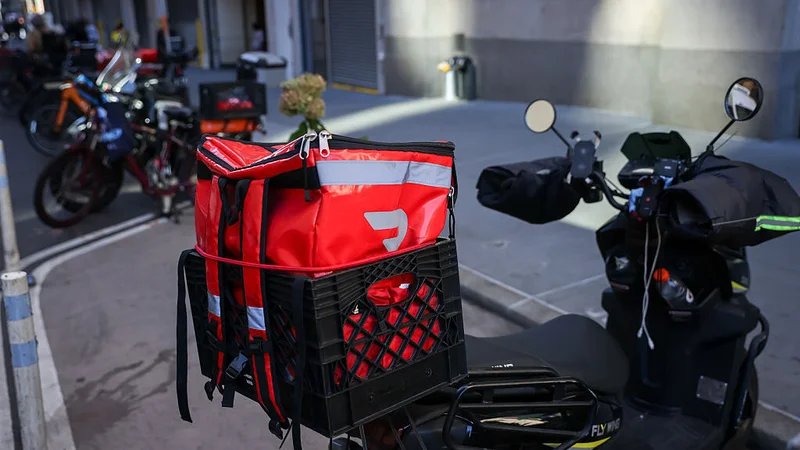
Image: Ars Technica AI
Main Takeaway
DoorDash received only several hundred orders from third-party AI agents against roughly 3 million daily deliveries, showing that agentic commerce remains an early experiment.
Jump to Key PointsSummary
Third-party agents remain rare
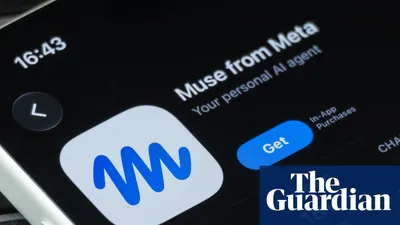
DoorDash has received only several hundred orders from third-party AI agents, a tiny figure beside its average of about 3 million daily deliveries. CEO Tony Xu disclosed the number during the company’s third-quarter earnings call, underscoring the gap between the loud discussion around agentic commerce and actual customer behavior. The orders came through services including Muse, Instinct, Fo, and other emerging agent makers.
Customers still place the overwhelming majority of DoorDash orders through the company’s own app. Xu described third-party ordering as a dynamic area and said DoorDash wants to learn from the activity while building a healthy relationship with outside agent developers. The early volume gives the company a small testing ground rather than a new distribution channel at meaningful scale.
DoorDash is building its own agents
DoorDash already offers several ways to use AI inside or alongside its service. Ask DoorDash, launched this summer, lets customers describe a meal, upload a recipe photograph, or ask for suggestions such as dinner for a family of four. The company also launched a text-to-order agent in September and a command-line ordering agent in July.
A separate Model Context Protocol connector enables ordering through other chatbots for corporate use. These products show DoorDash treating conversational ordering as a product category it can shape directly, even as third-party agents generate little demand. The company has shared stronger performance figures for Ask DoorDash than for outside agents, though those figures measure its own feature rather than autonomous ordering across the web.
Ask DoorDash shows stronger signals
DoorDash says Ask DoorDash builds shopping baskets five times faster than conventional ordering. Orders made through the feature also carry nearly 50% higher basket values and include about 60% more unique items than orders from the same customers using traditional methods.
The tool also affects restaurant discovery. Nearly half of Ask DoorDash orders go to local businesses customers haven't tried before, according to DoorDash. Those results point to a useful distinction in the current market: customers are engaging with AI when it is integrated into a familiar ordering service, while fully independent agents remain a niche behavior. The data comes from DoorDash's own disclosures, so it describes performance within the company's experience rather than the entire delivery market.
Commerce platforms are choosing sides
Third-party agent adoption depends on access as much as customer interest. Websites are still deciding whether autonomous tools can browse products, submit orders, and complete transactions on a user's behalf. Amazon has blocked personal agents, while Walmart has welcomed them as a way to capture shopping activity from competitors.
DoorDash's approach sits between those positions. It isn't closing the door on outside agents, and Xu said future opportunities could include advertising inside them. At the same time, the company is investing in controlled interfaces, including its own assistants and a connector designed for defined chatbot integrations. The split across Amazon, Walmart, and DoorDash means agentic commerce will develop through platform rules as well as consumer demand.
The early lesson from online ordering
DoorDash's numbers place AI ordering at the experimental stage, but the company isn't dismissing the category. Xu said businesses shouldn't fight technological momentum, while warning against treating current interest as proof of widespread adoption. That balance reflects a product still looking for a habit that customers repeat.
Online food ordering offers a useful precedent. Pizza Hut began tentative internet ordering experiments in 1994, long before online orders became routine. DoorDash's current AI figures are similarly small, yet its internal tools show that faster basket creation and broader restaurant discovery can produce measurable benefits. The next test is whether independent agents can match that convenience without weakening trust, control, or the economics of the marketplace.
What happens next for agentic commerce
DoorDash will focus on experimentation, partnerships, and its own AI ordering products as third-party volume remains limited. Developers building agents need access to reliable ordering interfaces, while DoorDash needs safeguards around payments, inventory, substitutions, delivery details, and customer accountability.
The company also has a commercial reason to stay engaged. If agents become a major way people discover and buy products, DoorDash will want visibility inside those interactions, including possible advertising. For now, the clearest traction comes from AI features embedded in DoorDash's existing ecosystem, not from agents operating independently. Several hundred third-party orders mark an opening signal, while millions of daily deliveries show where the business still lives.
Key Points
DoorDash received only several hundred third-party AI agent orders against approximately 3 million daily deliveries.
DoorDash's internal AI tools are gaining clearer traction through faster baskets, higher spending, and broader restaurant discovery.
Tony Xu supports testing agentic commerce while warning against overstating adoption based on current interest.
Amazon blocks personal shopping agents, while Walmart welcomes them as competing platforms set different access rules.
DoorDash is developing partnerships, advertising opportunities, and controlled interfaces for future agent transactions.
Questions Answered
DoorDash has received several hundred orders from third-party AI agents. That volume is very small compared with the approximately 3 million deliveries the company completes on an average day.
DoorDash AI agent orders remain uncommon because customers still primarily use the DoorDash app. Third-party agents also depend on platform access, reliable transaction tools, and customer trust.
Ask DoorDash is DoorDash's AI ordering assistant for prompts, photos, meal ideas, and shopping baskets. DoorDash says it builds baskets five times faster and produces nearly 50% higher basket values than traditional ordering for the same customers.
DoorDash is allowing some third-party AI agents to place orders and is studying the use case. CEO Tony Xu said the company wants healthy relationships with agent makers and could eventually advertise within their interfaces.
DoorDash will continue developing first-party assistants, selected integrations, and tools such as its ordering connector. The company will also evaluate whether independent agents can generate useful demand without creating problems around payments, inventory, substitutions, or customer control.
Source Reliability
100% of sources are highly trusted · Avg reliability: 85
Go deeper with Organic Intel
Simple AI systems for your life, work, and business. Each one includes copyable prompts, guides, and downloadable resources.
Explore Systems