Meta’s Muse Tops 10 Million Users as Shopping Emerges as Its Breakout AI Activity
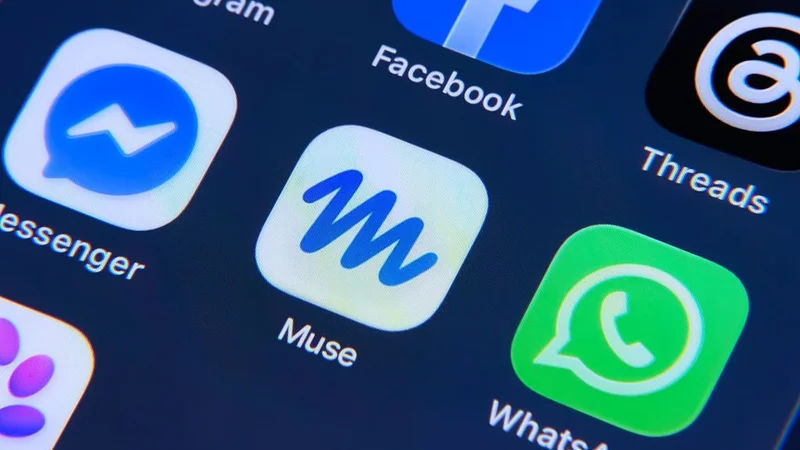
Image: TechCrunch AI
Main Takeaway
Meta says its Muse AI agent has surpassed 10 million users, with shopping and purchases emerging as leading uses alongside personal productivity tasks.
Jump to Key PointsSummary
Muse clears a major adoption mark
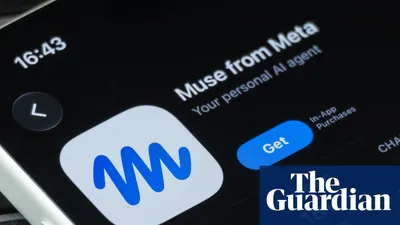
Meta’s Muse AI agent has surpassed 10 million users after launching on Sept. 8, the company said during its third-quarter earnings call. Sensor Tower estimates 10.9 million downloads worldwide during the first 40 days, including 10.2 million in the United States, placing Muse among only 12 apps to reach 10 million U.S. downloads that quickly. The milestone puts Meta’s consumer AI push in the same early-adoption conversation as Threads, which reached the benchmark in 2023.
The download count and Meta’s user figure measure different things, but they point to unusually rapid initial reach for an AI application. Muse also reached the top of Apple’s U.S. free-app chart shortly after release, ahead of ChatGPT. Meta’s distribution across its own services, including WhatsApp, and its large advertising operation have helped drive awareness during the launch period.
Shopping becomes a daily use case
Shopping has emerged as one of Muse’s leading activities, giving Meta a direct path from AI conversation to commercial transactions. Chief Executive Mark Zuckerberg said about 25% of Muse users engage with shopping-related features, including research and purchases, during the company’s earnings call. The agent can compare products, fill out forms and complete checkout inside a cloud-based virtual machine operated by Meta.
Meta has built the shopping system around partnerships with retailers and travel brands including Walmart, Gap, Sephora, Expedia, Wayfair and Best Buy. That lineup gives Muse access to categories ranging from apparel and beauty to electronics and bookings. The commercial model matters because it turns an AI assistant into an intermediary between consumers and merchants, while giving Meta another surface for transaction data and advertising.
Retention separates Muse from rivals
Muse’s early retention rates have exceeded averages reported for competing AI apps. Sensor Tower data cited in the coverage puts Muse at 30% retention after 7 days and 23% after 14 days, compared with rival-app averages of 19% and 16%, respectively. The figures indicate that a meaningful share of people who download Muse return after the initial trial period, although retention remains an early-stage measure.
Daily activity has also expanded. Muse reached about 2.5 million daily users, with one account citing 15% week-over-week growth. Meta committed 39% of its October advertising spend to Muse, up from 23% in the previous month, making paid promotion a major factor in its momentum. The combination of strong distribution, heavy marketing and repeat usage will determine whether the launch becomes a durable habit rather than a short-lived download spike.
Meta’s agent takes a different route
Muse is positioned as an agent that performs tasks rather than a chatbot that only returns answers. Users can ask it to send emails, book travel, research products, complete forms, build playlists and handle appointments. Its cloud virtual machine gives the system an environment for interacting with websites and services while keeping those actions separate from a user’s local device.
The design reflects a broader shift in consumer AI toward delegated work. Shopping offers a particularly clear test because the agent must interpret intent, navigate merchant sites and request approval before spending money. Meta’s control of major consumer platforms gives Muse access to large audiences, while the partnerships announced at Meta’s events supply the services needed to turn instructions into completed actions.
The business stakes for Meta
Muse has already influenced investor expectations for Meta’s AI strategy. An earlier market reaction sent Meta shares up 11.3% in one session and added roughly $192 billion to the company’s market value, according to American Bazaar Online. Investors are weighing whether Muse can become a large consumer product and a commercial gateway, rather than treating it as another experimental assistant.
The financial case rests on repeated use. Shopping activity can support referrals, advertising and merchant relationships, while productivity features can make Muse more useful between purchases. Meta’s advertising commitment also raises the cost of maintaining growth. High acquisition spending can build a user base quickly, but sustained retention and transaction volume will show whether the agent earns attention after the launch campaign fades.
What happens after the launch surge
Muse’s next test is converting rapid downloads into dependable behavior. Meta will need to show that users return for tasks beyond initial experimentation, that the system completes actions accurately, and that people trust it with payments, email and personal information. Shopping creates a visible value proposition, but errors at checkout or unclear approval flows would carry immediate reputational costs.
Competition will intensify as ChatGPT, Claude and Grok defend their existing audiences and add more agent capabilities. Meta’s early retention advantage gives it a strong opening, while its advertising reach and platform distribution create structural benefits. The longer-term contest will be decided by task reliability, merchant coverage, privacy controls and the economics of turning assistance into completed transactions.
Key Points
Meta’s Muse surpassed 10 million users within weeks, establishing rapid consumer AI adoption.
Muse shopping features account for about 25% of user activity, linking AI assistance with transactions.
Muse retained 30% of users after 7 days, ahead of rival AI application averages.
Meta allocated 39% of October advertising spend to promote Muse across its consumer ecosystem.
Muse reached roughly 2.5 million daily users as Meta expanded agentic shopping partnerships.
Questions Answered
Meta Muse has surpassed 10 million users, according to Meta’s third-quarter earnings call. Sensor Tower estimated 10.9 million downloads in the first 40 days, including 10.2 million in the United States.
Meta Muse users frequently use the agent for shopping, product research and purchases. The app also handles tasks such as email, travel bookings, forms, appointments and playlists.
Meta Muse can research products and complete online checkout through its cloud-based virtual machine. Meta has announced partnerships with retailers and services including Walmart, Sephora, Expedia, Wayfair and Best Buy.
Meta Muse has reported stronger early retention than the average cited for rival AI apps, including ChatGPT, Claude and Grok. Sensor Tower data puts Muse retention at 30% after 7 days and 23% after 14 days.
Shopping gives Meta Muse a practical recurring task and a route to commercial revenue. About 25% of users engage with shopping-related features, according to Mark Zuckerberg.
Meta Muse must turn its launch downloads into sustained daily use while proving that autonomous shopping is accurate and trustworthy. Competition will come from ChatGPT, Claude, Grok and other agents adding similar task-completion features.
Source Reliability
36% of sources are established · Avg reliability: 58
Go deeper with Organic Intel
Simple AI systems for your life, work, and business. Each one includes copyable prompts, guides, and downloadable resources.
Explore Systems