YouTube Begins Labeling AI-Generated Songs as Synthetic Music Spreads Across Streaming Platforms
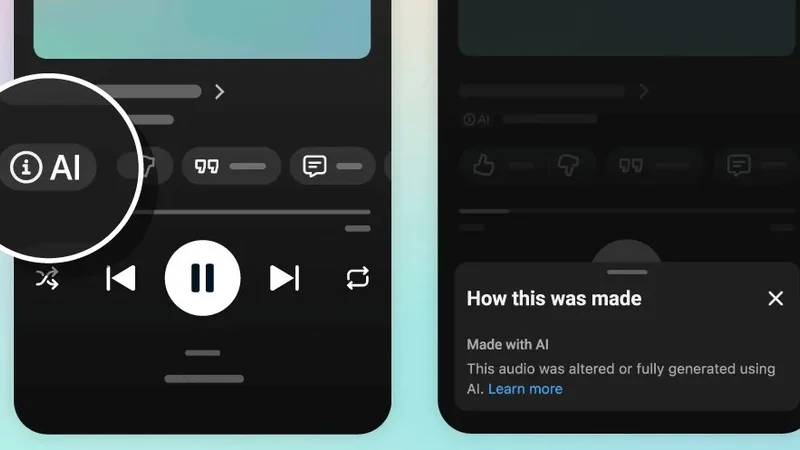
Image: The Verge AI
Main Takeaway
YouTube Music is rolling out labels for songs made with generative AI, giving listeners details about AI’s role in composition, vocals, or production.
Jump to Key PointsSummary
YouTube adds AI music labels
YouTube Music is rolling out labels identifying songs created primarily with generative AI, starting with the service’s Now Playing and player screens. The disclosure is designed to show listeners when AI shaped a track’s composition, vocals, or other parts of production. YouTube announced the change as synthetic music expands across streaming services and creators publish more tracks made with tools such as Suno.
The label can be opened for additional information about how AI was used. The initial rollout centers on YouTube Music, while broader labeling across YouTube’s platforms is also part of the company’s plan. Coverage from The Verge AI, TechCrunch AI, Variety, Finance.yahoo, 9to5google, Blog, and Blog describes the move as a transparency measure rather than a ban on AI-assisted music.
What listeners will see
The disclosure appears in the player interface, making AI involvement visible during playback rather than burying it in a creator profile or upload description. TechCrunch AI says the system covers tracks made entirely with AI as well as songs where generative tools contributed to composition or vocals. 9to5google places the label specifically in the Now Playing screen, giving users a direct signal while they listen.
That placement matters because AI assistance can range from a generated vocal performance to a small compositional contribution. A single label cannot describe every creative decision, so YouTube’s expandable information is meant to provide more detail when listeners want it. The Verge AI reports that the first labels apply to tracks created “primarily” with generative AI tools, a threshold that distinguishes substantial synthetic production from limited editing assistance.
How YouTube identifies AI use
YouTube is combining disclosures from partners with its own detection tools to identify tracks that qualify for labeling. Music Business Worldwide describes a process that relies on information supplied by participating partners alongside YouTube’s detection systems. That approach places responsibility on both distributors and the platform, since automated detection alone cannot reliably capture every form of AI assistance.
The system also creates a practical challenge for artists and rights holders. AI can enter a track through generated lyrics, instrumental parts, cloned or synthetic vocals, mastering, or a complete song created from a prompt. Jackrighteous frames the change through the concerns of Suno music creators, while YouTube’s own blog presents labeling as part of a broader effort to improve information for creators and viewers.
Why transparency matters now
The labels arrive as AI-generated music floods streaming platforms, giving listeners more reason to question how songs were made and who performed them. TechCrunch AI links the rollout to that rapid increase, while Finance.yahoo describes listener demand for transparency as a central reason for the policy. The issue reaches beyond curiosity: disclosure affects audience expectations, artist identity, attribution, and how platforms handle synthetic performances.
For YouTube, visible labels offer a way to acknowledge AI music while keeping it available. The policy also gives the company a common vocabulary for music that sits between traditional human performance and full generation. Variety, Deadline, and Mashable place YouTube’s move alongside wider industry efforts, including new AI-related controls reported for Deezer.
Consequences for music creators
Creators using generative tools will face greater pressure to describe their workflow accurately when distributing music through YouTube. Tracks that qualify for a label can still reach listeners, but the disclosure becomes part of the release’s presentation and may shape how audiences judge authenticity, craft, and ownership.
The policy also raises operational questions about borderline cases, especially songs that combine a human-written arrangement with synthetic vocals or AI-generated sections. Music Business Worldwide’s account of partner disclosures and platform detection points to an evolving enforcement model, while the Suno-focused guide highlights the practical importance of understanding YouTube’s treatment of AI-assisted releases. The usefulness of the system will depend on consistent criteria, clear explanations, and accurate data from distributors.
What happens next
YouTube’s first step is a visible disclosure layer in YouTube Music, with labeling extending across its platforms as the rollout develops. The company’s blog positions the change within wider improvements for viewers and creators, while coverage from Variety, Finance.yahoo, Deadline, and The Verge AI describes a platform-wide direction rather than a one-screen experiment.
The next test will be whether labels remain accurate as AI tools become embedded in ordinary recording workflows. Streaming services will need to distinguish fully generated songs from mixed human-AI productions without making the interface confusing or forcing creators into rigid categories. YouTube’s system gives listeners more information today, but its long-term value will rest on how consistently the platform updates those categories and explains them.
Key Points
YouTube Music is labeling songs created primarily with generative AI across its player interface.
Labels can identify AI involvement in composition, vocals, production, or complete song generation.
YouTube combines partner disclosures with detection tools to classify AI-assisted music.
The rollout responds to growing synthetic music volumes and listener demand for transparency.
Suno creators and other AI music users face greater disclosure obligations during distribution.
Questions Answered
YouTube Music is labeling songs made primarily with generative AI. The label appears in the player interface and can identify AI involvement in composition, vocals, or other production stages.
YouTube Music AI labels appear on the player page, including the Now Playing screen. Listeners can select the label to view more information about the AI’s role in making a track.
YouTube identifies AI-generated music through partner disclosures and its own detection tools. The system is intended to cover fully generated tracks and songs with substantial AI assistance.
YouTube does not ban labeled songs made with generative AI under this rollout. The policy adds disclosure so listeners can understand how AI contributed to a track.
YouTube’s AI music policy means Suno creators must account for AI involvement when distributing qualifying tracks. Their songs can remain available, but platform labeling will make the use of generative tools visible to listeners.
Source Reliability
50% of sources are trusted · Avg reliability: 76
Go deeper with Organic Intel
Simple AI systems for your life, work, and business. Each one includes copyable prompts, guides, and downloadable resources.
Explore Systems