xAI Adds 19 New Gas Turbines at Mississippi Data Center While Fighting NAACP Lawsuit Over Clean Air Act Violations
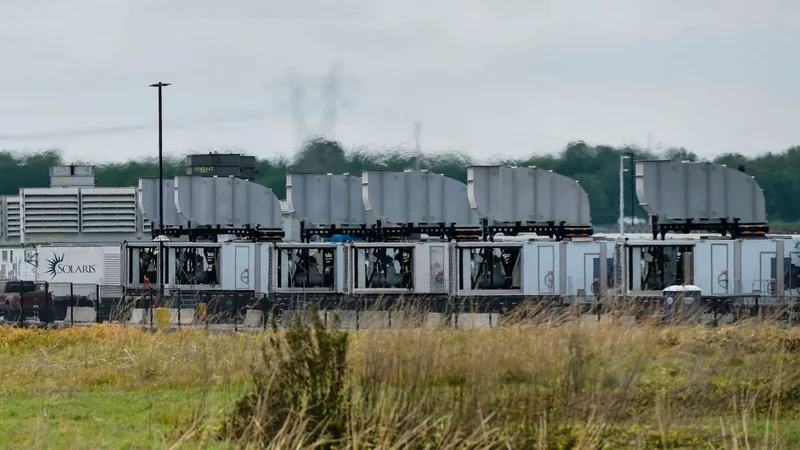
Image: TechCrunch AI
Main Takeaway
Elon Musk's xAI expanded its gas turbine fleet to nearly 50 units at its Colossus 2 site, even as environmental groups sue over unpermitted emissions.
Jump to Key PointsSummary
Why xAI is doubling down on gas power
xAI has installed 19 additional natural gas turbines at its Colossus 2 data center campus in Southaven, Mississippi, bringing the total fleet to nearly 50 units, according to internal emails reviewed by WIRED. The expansion comes in the middle of an active lawsuit from the NAACP and environmental groups alleging Clean Air Act violations. According to TechCrunch, Mississippi classifies these turbines as mobile equipment because they sit on flatbed trailers, creating a regulatory loophole that exempts them from standard power plant permitting. This classification allows xAI to operate what critics describe as a de facto power plant without obtaining the air permits that would normally be required for a stationary facility of comparable size.
The company's aggressive power strategy reflects the enormous energy demands of training and running large AI models. The Colossus 2 facility powers xAI's Grok chatbot and other AI systems, requiring reliable baseload electricity that the local grid apparently cannot fully supply. Rather than wait for grid infrastructure to catch up, xAI has opted for on-site fossil fuel generation. The expansion suggests Musk's company views legal and regulatory risks as manageable compared to the competitive cost of delaying AI development.
How the mobile turbine loophole works
Mississippi's regulatory framework treats equipment on trailers as portable and temporary, even when it remains in place for months or years. TechCrunch reports that this distinction matters because stationary power plants face strict permitting under the Clean Air Act, including requirements for pollution controls and public comment periods. Mobile equipment does not. Environmental advocates argue xAI has exploited this gap by mounting industrial-scale turbines on flatbeds and leaving them stationary indefinitely.
The EPA updated its rules in early 2026 to address precisely this kind of arrangement, according to UK PCMag. The new regulations clarified that so-called mobile equipment used as permanent power sources may still qualify as stationary sources subject to permitting. However, implementation lag and state-level discretion create enforcement gaps. Earthjustice contends that xAI's setup was illegal even under previous rules, making the company's expansion a direct challenge to federal environmental authority. The legal battle will likely turn on whether a trailer-mounted turbine that never moves can plausibly be considered mobile.
What communities near the data center face
Residents in Southaven and surrounding DeSoto County are experiencing the direct effects of xAI's power choices. Climate and Capital Media reported from the Memphis area in 2025, describing noxious odors and turbine noise comparable to jet engines near the original Colossus site. The NAACP and Southern Environmental Law Center emphasize that the region already struggles with poor air quality, making additional uncontrolled emissions a disproportionate burden on low-income and minority communities.
The health concerns are specific and documented. Desoto County News notes that the 27 turbines initially identified emit significant levels of nitrogen oxides, a precursor to ground-level ozone that aggravates asthma and other respiratory conditions. With nearly 50 turbines now operating, cumulative emissions have likely increased substantially. The environmental groups' lawsuit frames this as an environmental justice issue, arguing that xAI selected locations with limited political power to resist industrial encroachment. Local health departments have proved unable or unwilling to intervene, with EENews reporting that one department deferred to the EPA, which in turn moves slowly on enforcement.
Where the lawsuit stands and what comes next
The NAACP, Mississippi State Conference of the NAACP, and Southern Environmental Law Center, represented by Earthjustice, filed a 60-day notice of intent to sue in mid-2026, as required by the Clean Air Act before federal court action. Earthjustice states the lawsuit targets both xAI and its subsidiary MZX Tech for operating 27 turbines without air permits at Colossus 2. The 60-day window allows for potential settlement, though xAI's turbine additions during this period suggest little interest in compromise.
Legal observers note the case could establish important precedent for data center power generation nationwide. Finance Yahoo points out that the original Memphis facility allegedly operated as many as 35 turbines without pollution controls, indicating this is not an isolated practice but a systematic approach. If courts rule that trailer-mounted turbines used as permanent power sources require full permitting, the decision would affect not just xAI but the broader data center industry's rush to on-site generation. Conversely, a ruling favorable to xAI would effectively greenlight a model of fossil-fueled AI infrastructure that bypasses environmental review.
What this signals about AI's energy appetite
The xAI dispute exemplifies a fundamental tension in artificial intelligence development: the computational demands of large models are growing faster than clean energy supply can keep pace. Tekedia characterized an earlier EPA finding against xAI as signaling tougher scrutiny of AI data center power use, yet the company's response has been to expand fossil fuel generation rather than pivot to alternatives. This suggests market incentives currently favor speed of AI deployment over environmental compliance.
The longer-term implications extend beyond any single facility. Data center power consumption in the United States is projected to grow substantially through 2030, with AI training and inference driving much of that increase. If the xAI model proliferates, AI companies could become major new sources of fossil fuel demand even as other sectors electrify. The outcome of this lawsuit, and whether regulators close the mobile equipment loophole, will shape whether AI's energy footprint becomes a regulated and mitigated cost of doing business or an externality borne by neighboring communities.
Key Points
xAI added 19 natural gas turbines to its Colossus 2 Mississippi data center, bringing the total to nearly 50, according to internal emails seen by WIRED.
The NAACP and environmental groups are suing xAI under the Clean Air Act for operating turbines without required air permits, alleging the company built an illegal power plant.
Mississippi classifies the turbines as mobile equipment because they sit on flatbed trailers, creating a regulatory loophole that exempts them from standard power plant permitting.
The dispute highlights growing tension between AI's massive energy demands and environmental regulations, with potential precedent for how data centers nationwide secure power.
Local communities near the facility report noxious odors and noise, with critics arguing xAI exploits areas with limited political power to resist industrial encroachment.
Questions Answered
According to internal emails reviewed by WIRED and reported by TechCrunch, xAI is operating nearly 50 natural gas turbines at its Colossus 2 campus in Southaven, Mississippi, after adding 19 new units over a two-month period in 2026.
Mississippi classifies the turbines as mobile equipment because they are mounted on flatbed trailers. Under state rules, mobile equipment is exempt from the air permits required for stationary power plants. Environmental groups argue this is a deliberate exploitation of a regulatory loophole.
The NAACP, Mississippi State Conference of the NAACP, and Southern Environmental Law Center, represented by Earthjustice, are suing xAI and subsidiary MZX Tech. They want the company to obtain proper Clean Air Act permits and operate pollution controls on its turbines.
Residents have reported noxious odors and turbine noise described as comparable to jet engines. The turbines emit nitrogen oxides, which contribute to ground-level ozone that can aggravate asthma and other respiratory conditions.
A ruling against xAI could establish that trailer-mounted turbines used as permanent power sources require full permitting, affecting how data centers nationwide secure on-site power. A ruling for xAI would effectively validate the mobile equipment loophole for fossil-fueled AI infrastructure.
Source Reliability
50% of sources are trusted · Avg reliability: 65
Go deeper with Organic Intel
Simple AI systems for your life, work, and business. Each one includes copyable prompts, guides, and downloadable resources.
Explore Systems