White House Projects $529B Drug Savings From Trump Pharma Deals
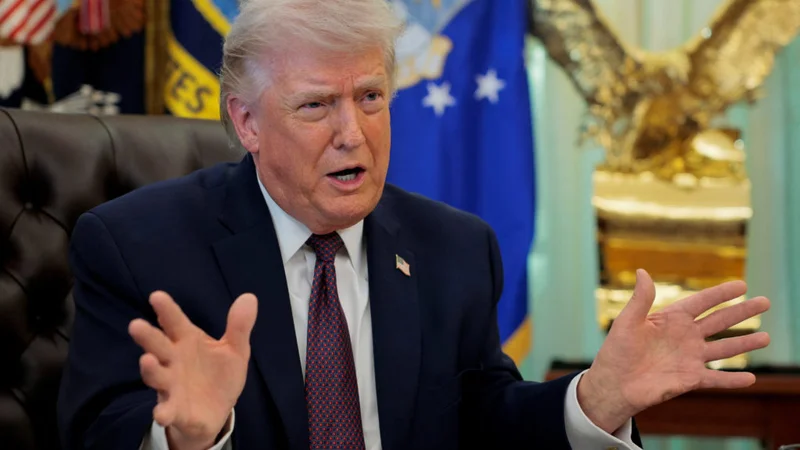
Image: Pbs
Main Takeaway
White House economists project Trump's pharmaceutical pricing agreements could save Americans $529 billion over the next decade through international.
Jump to Key PointsSummary
The $529 billion claim
The Trump administration released its first comprehensive economic analysis of pharmaceutical pricing deals, projecting $529 billion in savings over the next decade. White House economists calculated this figure based on agreements with drug companies to align U.S. prescription prices with lower international rates. The analysis, obtained by the Associated Press, represents the administration's attempt to quantify the economic impact of its "most favored nation" policy approach. The projection covers savings across the entire economy rather than just government programs, suggesting broad consumer benefits from reduced medication costs.
Political timing and strategy
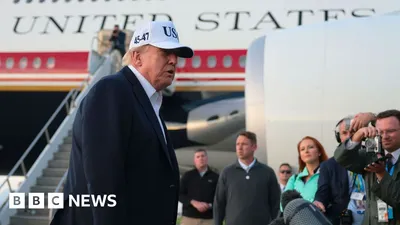
Trump unveiled these numbers during a Florida rally targeting senior voters, declaring "now you have the lowest drug prices anywhere in the world" and claiming this "alone should win us the midterms." The timing aligns with Republican efforts to maintain House and Senate control in November's elections. Cost-of-living concerns dominate voter priorities, making drug pricing a central campaign issue. The administration's strategy involves positioning these pharmaceutical agreements as tangible economic relief for Americans struggling with healthcare costs, particularly among elderly voters who represent a crucial demographic.
Democratic skepticism and data questions
Democratic lawmakers immediately expressed doubt about the administration's savings calculations. Multiple sources report that these new projections will likely trigger additional scrutiny of the underlying economic models. The skepticism stems from concerns about methodology and assumptions used to generate the $529 billion figure. Critics question whether voluntary pharmaceutical agreements can deliver sustained price reductions at this scale, given the industry's historical resistance to pricing reforms. The political dynamic suggests ongoing battles over healthcare policy credibility as both parties prepare for midterm messaging.
What happens next
The pharmaceutical industry faces intensified pressure to demonstrate compliance with pricing commitments as election season approaches. Congressional Democrats will likely demand detailed methodology behind the White House projections, potentially leading to hearings or investigations. Consumer advocacy groups may use these numbers to push for broader pricing reforms beyond voluntary agreements. The actual savings realization depends on drug companies maintaining lower prices long-term rather than implementing temporary reductions. Healthcare stocks could experience volatility as investors assess the political and regulatory implications of sustained price pressure.
Key Points
White House economists project $529 billion in drug savings over 10 years through international price alignment agreements
Trump unveiled savings projections at Florida senior rallies, calling it key to midterm election victory
Democratic lawmakers immediately questioned methodology and sustainability of claimed savings
Analysis represents first comprehensive economic modeling of administration's pharmaceutical pricing policy
Timing aligns with Republican strategy to emphasize cost-of-living relief before November elections
Questions Answered
White House economists used economy-wide projections based on pharmaceutical agreements to align U.S. drug prices with lower international rates, though Democrats question the methodology.
The specific medications covered weren't detailed in the analysis, but the policy applies broadly to prescription drugs where companies agreed to match international pricing.
Savings would occur gradually over the 10-year projection period, though actual timing depends on drug company compliance with pricing commitments.
These are economic projections based on voluntary agreements, not guaranteed savings, which explains Democratic skepticism about the reliability of estimates.
Source Reliability
43% of sources are trusted · Avg reliability: 68
Go deeper with Organic Intel
Simple AI systems for your life, work, and business. Each one includes copyable prompts, guides, and downloadable resources.
Explore Systems