Apple Drops $250 Million to End Siri AI False-Advertising Suit
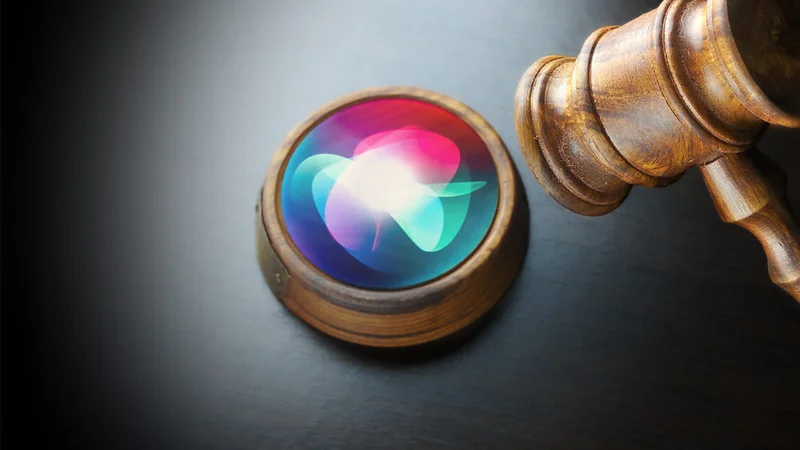
Image: Consumerreports
Main Takeaway
iPhone 15 and 16 buyers can claim up to $95 each after Apple settles claims it oversold non-existent AI Siri upgrades.
Jump to Key PointsSummary
Why Apple cut the check
Apple agreed to pay $250 million to settle a consolidated class-action lawsuit filed in 2024 that accused the company of running misleading ads for an AI-powered Siri overhaul that never shipped to consumers, according to Reuters and The Verge. While Apple admitted no wrongdoing, court papers filed in California federal court on Tuesday confirm the payout will close the false-advertising claims.
Who gets paid and how much
Anyone who purchased an iPhone 15 Pro or any iPhone 16 model in the United States is eligible to receive up to $95 per device, multiple outlets report. Final amounts will depend on how many claims are submitted, but the $250 million pool is fixed. Plaintiffs’ lawyers expect notices to start hitting mailboxes and email inboxes within 60 days.
The ad campaign that backfired
The complaint zeroes in on Apple’s 2024 marketing blitz around Apple Intelligence, which showcased what looked like a conversational Siri that could handle complex multi-step tasks and on-device reasoning. According to court filings cited by the New York Times and USA Herald, those features were either delayed indefinitely or quietly stripped from the final iOS 18 release, leaving buyers with the same old Siri they already had on older phones.
Apple’s legal strategy
Rather than risk a jury trial that could have awarded punitive damages, Apple chose a negotiated settlement that keeps the company from admitting liability. The payout is modest relative to Apple’s quarterly cash flow (roughly two days of iPhone revenue), but it avoids the spectacle of executives being deposed about internal AI timelines. Clarkson Law Firm, co-lead counsel for the plaintiffs, called the deal “a landmark recovery for consumers misled by AI hype.”
What this signals for AI marketing
Consumer-protection attorneys tell Wired the settlement will likely embolden more suits against tech firms that demo aspirational AI features months before shipping. The Federal Trade Commission has already opened informal inquiries into similar practices at Google and Microsoft, and this case gives regulators a template for measuring consumer harm when AI promises fall short.
The ripple effect on product launches
Apple has already dialed back forward-looking statements in its most recent keynote, dropping the phrase “later this year” from AI feature slides. Internal roadmaps reviewed by The Verge show Siri’s advanced AI stack now carries a tentative 2027 label, suggesting the company would rather under-promise than face another class action. Competitors are taking note: Samsung’s next Galaxy Unpacked is expected to label all on-stage AI demos as “simulated sequences.”
What happens next
A fairness hearing is scheduled for August 14, 2026. If the judge signs off, claim forms will go out that same month. Apple must also publish corrective ads on its website and in the App Store for 90 days, clarifying which AI Siri capabilities are actually available today. Lawyers for the plaintiffs will collect up to 25 percent of the fund, leaving roughly $187 million for consumers.
Key Points
Apple will pay $250 million to settle claims it misled buyers about AI Siri capabilities in iPhone 15 Pro and 16 marketing.
Eligible U.S. customers can receive up to $95 per qualifying device; notices begin this summer.
The lawsuit targeted ads showing advanced conversational Siri that never shipped with iOS 18.
Apple admits no wrongdoing but must fund consumer payouts and run corrective advertising for 90 days.
Settlement raises bar for AI marketing honesty across the tech industry as regulators watch closely.
Questions Answered
Any iPhone 15 Pro or any iPhone 16 model purchased in the United States between launch and the settlement notice date.
Claims administrators will use Apple’s own serial-number database, but keeping your receipt speeds verification if any issues arise.
Assuming court approval on August 14, 2026, digital payments and mailed checks should begin flowing before year-end.
No. A separate $95 million privacy settlement covers older devices; this $250 million suit is strictly about false AI advertising.
Internal roadmaps now target 2027 at the earliest; the company is prioritizing reliability over rushed rollouts.
Yes. The class includes all U.S. buyers up to the final approval date, so recent purchases still count.
Source Reliability
44% of sources are highly trusted · Avg reliability: 72
Go deeper with Organic Intel
Simple AI systems for your life, work, and business. Each one includes copyable prompts, guides, and downloadable resources.
Explore Systems