US Treasury Blocks Safe Passage Deals With Iran as Hormuz Crisis Deepens
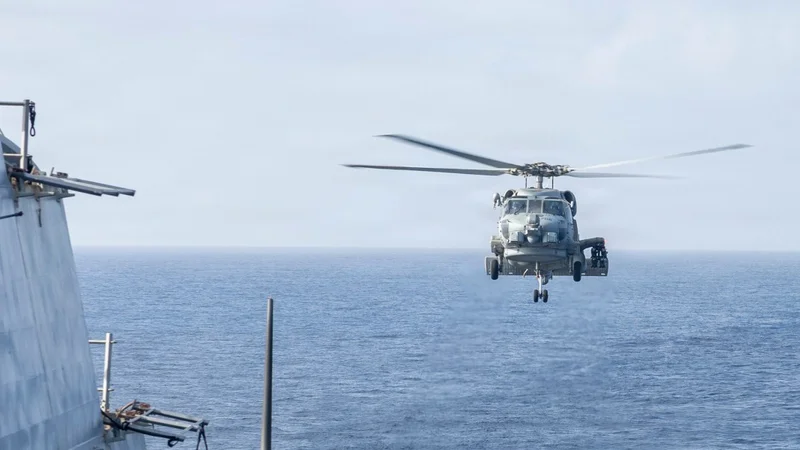
Image: Fortune AI
Main Takeaway
The US Treasury declared any agreement with Iran for safe Strait of Hormuz transit illegal, even without payment, as a draft ceasefire deal awaits White.
Jump to Key PointsSummary
The new Treasury prohibition
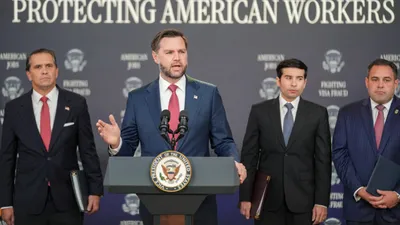
The U.S. Treasury Department has issued an explicit ban on American persons receiving any services from the Government of Iran related to safe passage through the Strait of Hormuz. The updated guidance, dated May 29, states that the prohibition applies regardless of whether a payment is made. The language is sweeping: any guarantee of safe transit, even one provided without a toll, constitutes a sanctioned service. Fortune reports that the move comes as Washington and Tehran remain deadlocked on extending a ceasefire and fully reopening the strategic waterway.
The Treasury’s position effectively criminalizes what some shipping operators had been attempting: quiet, informal arrangements to navigate the strait without incident. The clarification closes a loophole that vessel owners might have exploited by arguing no funds changed hands. It also signals that the U.S. intends to maintain maximum economic pressure on Iran even as diplomatic channels explore a potential breakthrough.
What the draft ceasefire deal contains
A tentative agreement between the U.S. and Iran would end the naval blockade and reopen the Strait of Hormuz, according to Iranian state television and multiple news outlets. Reuters and NBC4i report that the draft deal has been negotiated and now awaits final approval from President Trump. Hindustan Times notes the proposed framework includes provisions for a shipping toll and new transit rules, suggesting Iran would retain some administrative role over the waterway, a detail that directly conflicts with the Treasury’s hardline stance.
Oil and Gas 360 adds that the reopening of the strait is the centerpiece of the agreement, which aims to restore the flow of roughly one-fifth of the world’s pre-war oil supply. The deal’s fate remains uncertain. Sources cited by NBC4i indicate the White House has not yet signed off, leaving the blockade in place and the shipping industry in a state of paralysis. The contradiction between the Treasury’s prohibition and the draft deal’s apparent acceptance of Iranian oversight creates a legal minefield for commercial operators.
The shadow transit strategy
Despite the official blockade, some ships are already crossing the strait with U.S. military guidance. Fortune describes a covert pattern: vessels are switching off their Automatic Identification Systems to slip through undetected by Iran’s fast-attack boats, while American helicopters provide cover. This shadow traffic has emerged after three months of effective closure that trapped roughly 2,000 ships and a massive volume of oil inside the Persian Gulf.
The quiet transits represent a de facto challenge to Iran’s ability to enforce its blockade, but they also expose shipowners to enormous risk. Without AIS transponders, vessels become invisible to commercial tracking systems, complicating insurance coverage and raising the stakes of any miscalculation. The U.S. military’s involvement suggests a coordinated effort to break the logistical deadlock without waiting for a formal diplomatic resolution.
The sanctions enforcement escalation
Parallel to the Treasury’s guidance, the U.S. has imposed fresh sanctions on the Iranian agency responsible for controlling shipping in the Strait of Hormuz. Fox59 and Yahoo Finance report that the designations target Iran’s Ports and Maritime Organization, the entity that would presumably administer any toll or transit regime under the draft deal. By sanctioning the very body that would implement safe passage, Washington is constructing a legal barrier that makes compliance with any Iranian-negotiated framework potentially illegal for U.S.-connected entities.
The dual-track approach, negotiating a ceasefire while simultaneously tightening sanctions, reflects deep divisions within the U.S. government over how to handle the crisis. Congress has been briefed on the strategic importance of non-oil shipments through the strait, underscoring that the blockade affects far more than energy markets. The sanctions effectively force shipping companies to choose between violating U.S. law or remaining trapped in the Gulf.
The international law dimension
Penningtons Law examines whether both the Iranian and American blockades violate international maritime law. The analysis suggests that Iran’s closure of the strait to neutral shipping likely breaches the UN Convention on the Law of the Sea, which guarantees transit passage through straits used for international navigation. However, the U.S. prohibition on dealing with Iranian authorities also raises questions about the legality of preventing neutral vessels from taking measures to ensure their own safety.
Chatham House provides broader context on the legal framework governing the strait, noting that coastal states retain limited rights to regulate shipping but cannot suspend transit passage. The current situation, where ships must choose between violating U.S. sanctions or risking Iranian attack, creates what legal experts describe as an impossible compliance dilemma. No international tribunal has yet weighed in on the competing claims.
What happens next
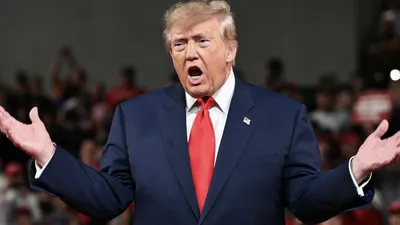
The immediate future hinges on President Trump’s decision on the draft deal. If approved, the agreement would reopen the strait but leave unresolved the contradiction between U.S. sanctions and Iran’s proposed administrative role. Shipping companies would need urgent clarification from Treasury on whether compliance with a U.S.-negotiated transit framework constitutes a prohibited service from the Government of Iran. Without that guidance, the legal risk remains too high for most major carriers.
If the deal collapses, the shadow transit strategy will likely expand, with more vessels attempting covert passages under military escort. That scenario carries its own escalation risks: a miscalculation or confrontation between a dark-running tanker and Iranian forces could reignite open hostilities. The 2,000 trapped ships represent a ticking clock for global supply chains, and the pressure to resolve the standoff grows with each passing week.
Key Points
Treasury prohibits any U.S. person from receiving safe passage services from Iran, even without payment.
A draft ceasefire deal awaiting Trump's approval would reopen the strait and end the naval blockade.
Some ships are covertly crossing the strait with U.S. military guidance while turning off AIS transponders.
Roughly 2,000 vessels and one-fifth of global oil supply remain trapped after three months of closure.
U.S. sanctions now target Iran's Ports and Maritime Organization, complicating any negotiated transit framework.
Questions Answered
The Treasury issued guidance on May 29 stating that U.S. persons are prohibited from receiving any services from the Government of Iran related to safe passage, even if no payment is made.
A draft ceasefire deal has been negotiated and reported by Iranian state TV and Reuters, but it still awaits final approval from President Trump.
Fortune reports that some vessels are turning off their Automatic Identification Systems and crossing with U.S. military helicopter support to evade Iranian fast-attack boats.
Approximately 2,000 ships are trapped, along with roughly one-fifth of the world's pre-war oil supply, after three months of effective closure.
The U.S. has sanctioned Iran's Ports and Maritime Organization, the agency that would control shipping and administer any toll or transit regime under the draft deal.
Legal analysis suggests Iran's closure likely violates the UN Convention on the Law of the Sea, while the U.S. prohibition on dealing with Iranian authorities also raises complex legal questions.
Source Reliability
38% of sources are trusted · Avg reliability: 74
Go deeper with Organic Intel
Simple AI systems for your life, work, and business. Each one includes copyable prompts, guides, and downloadable resources.
Explore Systems