UAE Intercepts Iranian Drone as Strait of Hormuz Fighting Raises Risk of Regional Escalation
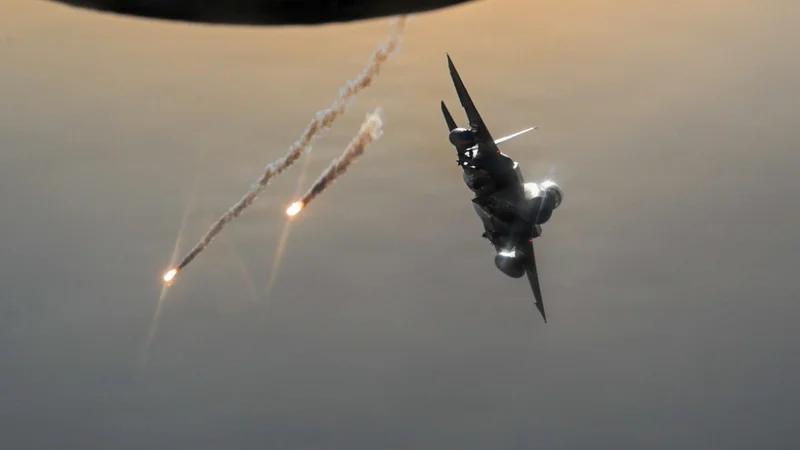
Image: Fortune AI
Main Takeaway
The UAE intercepted an Iranian drone over its territorial waters after renewed U.S.-Iran strikes, warning that further attacks will draw a decisive response.
Jump to Key PointsSummary
The UAE reports a new incursion
The United Arab Emirates said it intercepted an Iranian drone over its territorial waters on Monday, adding a new flashpoint to the renewed fighting between the United States and Iran. Emirati authorities described the incident as a dangerous escalation and warned that the country would respond decisively to aggressors.
The reported interception followed a weekend exchange of fire that ended a monthlong lull between Washington and Tehran. Coverage from AP, Courant, Newsday, Reviewjournal, Myjournalcourier, and Jpost identified the drone incident as the central development, while the available account from Fortune placed it within the broader conflict around the Strait of Hormuz.
Fighting returns around Hormuz
The latest escalation began with a U.S. strike on Larak Island in the Strait of Hormuz, where Iranian officials said 2 people were killed and several others wounded. Iran answered with missile launches against U.S. sites in Jordan, and those missiles were intercepted, according to Fortune.
The exchange revived concerns about a wider regional confrontation because the Strait of Hormuz carries major international shipping traffic and borders several Gulf states. The UAE drone interception came immediately after the U.S.-Iran strikes, tying the airspace incident to a broader sequence of military actions rather than an isolated security event. Newsnationnow framed the exchange as evidence that fears of renewed war were growing.
The strategic stakes for shipping
The Strait of Hormuz remains the conflict's most consequential pressure point because attacks there threaten commercial navigation, energy deliveries, and the security of Gulf states. U.S. forces completed clearing sea mines from international shipping routes in the strait last week, according to Fortune, underscoring the operational risks facing vessels in the area.
U.S. forces also struck Iranian Revolutionary Guard rocket launchers after observing preparations to fire rockets carrying sea mines into the strait. The action was the first reported U.S. military strike in a month, breaking a period of intermittent calm. The combination of mine-clearing operations, launcher strikes, and the UAE's drone interception shows how quickly maritime security and air defense have become connected fronts in the conflict.
Abu Dhabi draws a red line
The UAE's warning signals that Abu Dhabi is treating the reported drone flight as a direct sovereignty and security issue. The country has positioned itself as a regional commercial and logistical hub, making control of its territorial waters central to protecting ports, trade routes, and nearby military facilities.
Jpost reported that the UAE also denied an attack on Al Menhad, adding a layer of clarification to the incident. The distinction matters because an intercepted drone over territorial waters and a confirmed strike on a military installation would carry different military and diplomatic consequences. The public warning nevertheless raises the cost of any further Iranian activity near Emirati territory.
Washington keeps pressure on Tehran
The drone incident unfolded while the United States continued military and economic pressure on Iran. Fortune reported that the Trump administration had stressed it was not in a hurry to return Iran to negotiations, while U.S. forces were simultaneously acting against suspected preparations to mine the strait.
That posture leaves little room for a quick diplomatic reset after the weekend exchange. Iran's missile response against U.S. sites in Jordan, the interception of those missiles, and the subsequent UAE announcement create several opportunities for miscalculation. Each government now faces pressure to protect its territory and demonstrate resolve without triggering a broader campaign across the Gulf.
What happens next
The immediate priority is preventing another incident involving aircraft, missiles, mines, or commercial shipping in and around the Strait of Hormuz. The UAE's pledge of a decisive response raises the possibility that a future attack on Emirati territory would draw direct military action, widening the number of states involved in the conflict.
For shippers and energy markets, the practical risk is disruption even without a full closure of the strait. Mine-clearing operations and intercepted missiles can preserve passage, but they also show that navigation depends on active military protection. The next signals will include whether Iran claims responsibility for the drone, whether the UAE announces further defensive measures, and whether Washington and Tehran resume strikes or reopen negotiations.
Key Points
UAE intercepted an Iranian drone over territorial waters after renewed U.S.-Iran strikes ended a monthlong lull.
Iranian missiles targeting U.S. sites in Jordan were intercepted after a deadly strike on Larak Island.
U.S. forces struck Iranian rocket launchers linked to preparations for deploying sea mines in Hormuz.
Emirati officials warned that further aggression against UAE territory would receive a decisive response.
The incidents increase risks for Gulf security, commercial shipping, and energy traffic through Hormuz.
Questions Answered
The UAE intercepted an Iranian drone after it entered the country's territorial waters. Emirati officials described the incident as a dangerous escalation and warned of a decisive response to further aggression.
The UAE denied that Al Menhad was attacked. Jpost reported the denial while separately describing the interception of an Iranian drone over Emirati territorial waters.
The United States struck Larak Island in the Strait of Hormuz, and Iran responded with missiles aimed at U.S. sites in Jordan. The missiles were intercepted, according to Fortune.
The Strait of Hormuz carries major international shipping traffic and is a key route for energy supplies. U.S. forces recently cleared sea mines from international shipping lanes and struck Iranian rocket launchers linked to mine deployment.
The UAE is expected to focus on preventing further incursions while the United States and Iran decide whether to continue military exchanges or resume negotiations. The next escalation would raise risks for Gulf states and commercial shipping.
Source Reliability
56% of sources are trusted · Avg reliability: 75
Go deeper with Organic Intel
Simple AI systems for your life, work, and business. Each one includes copyable prompts, guides, and downloadable resources.
Explore Systems