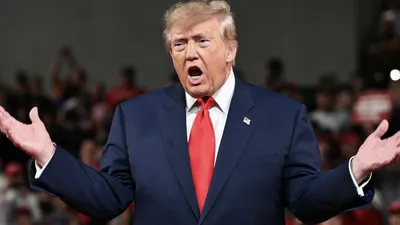
Trump drops $10 billion IRS lawsuit after DOJ creates $1.7 billion fund for allies
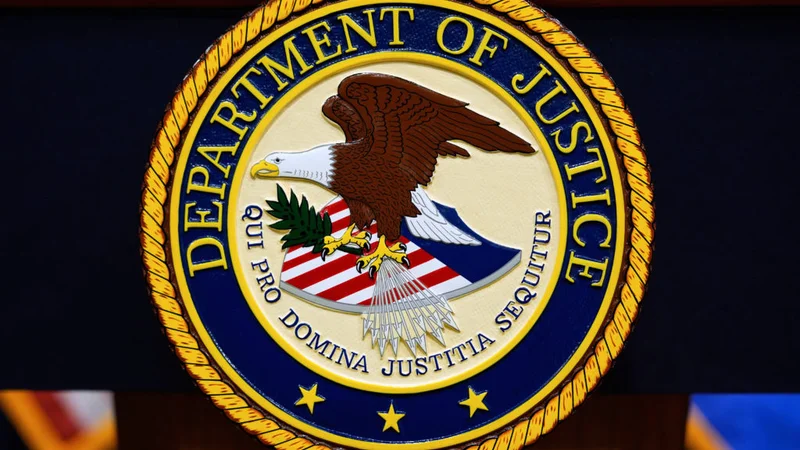
Image: Pbs
Main Takeaway
Trump withdrew his IRS lawsuit after his own Justice Department created a $1.7 billion compensation fund for political allies.
Jump to Key PointsSummary
What the fund actually covers
The Justice Department announced on May 18, 2026, the creation of a $1.7 billion "Anti-Weaponization Fund" to compensate allies of President Donald Trump who believe they were mistreated by the Biden administration's Justice Department. Acting Attorney General Todd Blanche stated the fund provides "a lawful process for victims of lawfare and weaponization to be heard and seek redress." The fund emerged as part of a deal to resolve Trump's $10 billion lawsuit against the Internal Revenue Service over the 2019 leak of his tax returns.
The commission overseeing the fund will have broad authority to distribute payments. According to Fortune, million-dollar payouts already made to some Trump supporters provide a roadmap for where the money might go. The settlement talks accelerated ahead of a key deadline in the IRS case.
The lawsuit that started it all
Trump, along with two of his children and his family business, filed the $10 billion lawsuit against the IRS earlier in 2026. The suit sought to hold the agency liable for the unauthorized disclosure of his tax information during the Biden administration. The leak of Trump's tax returns had been a long-running controversy, with multiple investigations into how the documents became public.
The scale of the lawsuit, $10 billion, far exceeded typical damages claims against government agencies. Legal experts noted that such a judgment would have crippled the IRS's operating budget. The suit represented an unusual instance of a sitting president suing an agency he ultimately controlled through his Treasury Secretary, creating inherent conflicts that complicated the litigation.
Why critics call it unprecedented self-dealing
The Guardian described the arrangement as an "unprecedented, self-dealing maneuver for a US president, in which billions of taxpayer dollars could be transferred to the president or his allies." The core concern: Trump was effectively negotiating with his own administration to drop a lawsuit in exchange for a fund that would benefit his political supporters.
Vox characterized the fund as a "slush fund," while CNBC reported that Democratic lawmakers "slammed" the administration over the reports. The criticism centers on the circular nature of the transaction, a president using litigation he controls to extract a policy outcome that channels public money to private beneficiaries. Unlike typical settlements where a neutral party oversees compensation, this arrangement places Trump's own appointees in charge of deciding who receives payments.
Where the money could actually go
The fund's beneficiaries remain loosely defined, with eligibility centered on claims of being "wrongfully targeted" by the Biden administration. Jan. 6 defendants feature prominently in discussions of potential recipients, according to Time's reporting. The administration has already made million-dollar payouts to some Trump supporters, establishing a pattern that suggests the fund will operate generously toward allies.
The $1.7 billion figure, while lower than the $10 billion lawsuit demand, represents a substantial transfer that Congress did not specifically appropriate for this purpose. The total authority granted to the oversight commission means the distribution process will lack the transparency and accountability mechanisms typical of government compensation programs. Legal scholars question whether such a fund can be established without explicit legislative authorization, setting up potential future challenges.
What happens next legally and politically
Forbes reported that Trump's IRS lawsuit "could be invalid" on procedural grounds, yet the fund creation proceeded regardless. This suggests the administration prioritized the political and symbolic victory of the fund over establishing a firm legal foundation. The settlement effectively disposes of a lawsuit that had become increasingly awkward for the Justice Department to defend against its own administration.
Politically, the fund serves multiple purposes for Trump. It delivers on promises to supporters that he would address perceived persecution, it channels resources to a loyal base ahead of future elections, and it creates a narrative of rectifying Biden administration overreach. However, the arrangement also energizes Democratic opposition and could feature in future oversight hearings or litigation challenging the fund's legitimacy. The precedent of using presidential lawsuits to extract policy concessions from one's own administration raises constitutional questions that may outlast this specific controversy.
Key Points
DOJ announced $1.7 billion fund on May 18 as part of IRS lawsuit settlement deal
Trump dropped his $10 billion lawsuit against IRS over 2019 tax return leak
Fund compensates allies claiming mistreatment by Biden administration Justice Department
Democratic lawmakers criticized arrangement as unprecedented presidential self-dealing
Oversight commission has broad authority to distribute payments without standard transparency
Questions Answered
A $1.7 billion fund created by the Trump administration's Justice Department to compensate political allies who claim they were mistreated by the Biden administration's Justice Department, established as part of a settlement ending Trump's lawsuit against the IRS.
Trump, his children, and his family business sued the IRS over the unauthorized 2019 leak of his tax returns, seeking $10 billion in damages from the agency.
A commission with broad authority, appointed by the Trump administration, will oversee distribution of payments to eligible recipients.
Trump, as sitting president, effectively negotiated with his own Justice Department to drop his lawsuit in exchange for a fund that channels taxpayer money to his political allies, with his appointees deciding who receives payments.
No, the fund was created through executive action as part of a lawsuit settlement, without specific congressional appropriation for this purpose, which legal scholars say may be challenged.
Source Reliability
80% of sources are highly trusted · Avg reliability: 86
Go deeper with Organic Intel
Simple AI systems for your life, work, and business. Each one includes copyable prompts, guides, and downloadable resources.
Explore Systems