Suspected Cyberattack Pushes Supermarket Freezers Across Europe Into Dangerous Temperatures
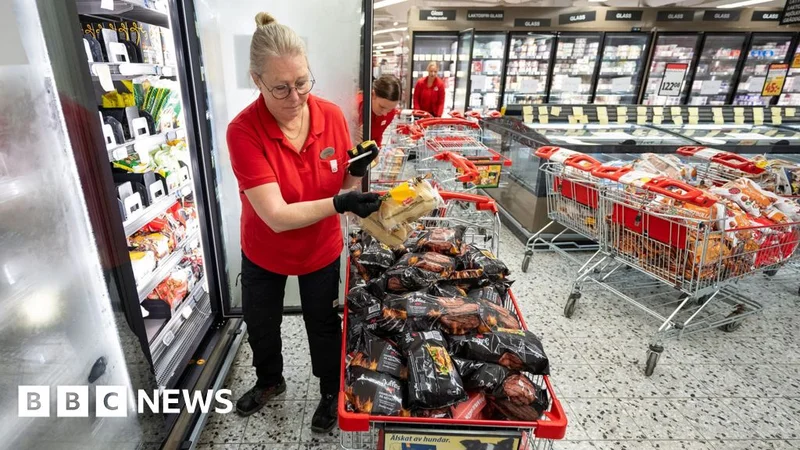
Image: Bbc
Main Takeaway
Supermarkets in at least seven European countries reported refrigeration failures that spoiled food after suspected cyberattacks altered freezer and fridge temperatures.
Jump to Key PointsSummary
What happened across Europe
Supermarkets in at least seven European countries reported overnight disruptions to refrigerators and freezers on Nov. 2, with temperature controls pushed sharply higher and food removed from sale. Incidents were reported in Belgium, Luxembourg, Sweden, the Netherlands, Estonia, Ireland and Finland. The BBC said roughly 40 Delhaize stores in Belgium and Luxembourg were affected, while other countries reported smaller clusters.
The disruptions followed a similar incident in France several weeks earlier, turning a series of isolated equipment failures into a wider cybersecurity concern. Retailers discarded chilled and frozen products after staff found units operating outside safe ranges. Some reports put the highest temperatures near 50C, although the precise readings and the number of affected stores varied by country and retailer.
How the refrigeration systems were altered
The reported failures involved connected refrigeration equipment whose controls were accessed or manipulated remotely. Belgian manufacturer Sabcobel said the incident affecting some Delhaize systems was a cyberattack, while retailers described the event in more cautious terms as an IT incident while assessments continued.
The French attack provided a clear precedent. Hundreds of supermarkets there reportedly had software controlling refrigeration units taken over, causing some systems to warm to about 50C and spoiling fresh and frozen food estimated at millions of euros. The European incidents share the same operational signature, but investigators have not publicly identified a perpetrator, intrusion method or common command infrastructure.
Retailers count the cost
The immediate damage is product loss, emergency inspections and disrupted store operations. Supermarkets had to isolate or dispose of food exposed to unsafe temperatures, while technicians worked to reset equipment and determine whether systems remained compromised. The Independent reported that retailers in Belgium, Ireland, Luxembourg and Sweden threw away spoiled goods after the overnight failures.
Ahold Delhaize confirmed that an IT incident affected refrigeration systems in some Dutch stores and said teams were assessing the situation. SuperValu in Ireland also reported refrigeration problems. The scale remains uneven: Belgium and Luxembourg account for the clearest concentration, while Swedish authorities are handling several cases involving supermarket cooling systems, according to The Next Web.
Why connected cooling matters
The incidents expose a practical weakness in supermarket infrastructure: refrigeration has become networked, remotely managed and tightly tied to inventory and food-safety processes. An attacker who reaches those controls doesn't need to steal customer data to cause disruption. Changing a temperature setting can create physical damage, waste stock and force stores to close sections of a shop.
That risk extends beyond supermarkets. The Pentagon is investigating refrigeration failures at more than half a dozen U.S. military commissaries in August as possible cyberattacks, Fortune reported, citing officials and a Reuters report. The connection to the European incidents remains unproven, but the cases have widened attention from retail cybersecurity to connected cold-storage systems across critical facilities.
What investigators are examining
Authorities and affected companies are now comparing technical logs, vendor access records and the timing of temperature changes. Sweden's National Cyber Security Centre is handling several cases, while manufacturers and supermarket operators are assessing whether the affected systems share software, maintenance arrangements or remote-access pathways.
The central question is whether the incidents form one coordinated campaign or represent copycat attacks against similar equipment. Publicly available accounts establish a common pattern and a close sequence of events, but they don't establish attribution. Retailers will also need to show that products exposed to unsafe temperatures were removed quickly enough to protect consumers, and that restored systems are monitored rather than simply restarted.
What happens next for retailers
Supermarket operators are expected to tighten remote access, separate refrigeration controls from broader corporate networks and add independent alarms that staff can verify on site. The attacks also put pressure on equipment makers and maintenance contractors, whose systems can become an entry point even when a retailer's main network is secure.
For shoppers, the direct effect is limited to affected stores and products, but the episode demonstrates how a small change in an industrial control system can produce immediate economic and food-safety consequences. Further findings from national cyber agencies, retailers and Sabcobel will determine whether Europe is facing a coordinated campaign, a shared vendor vulnerability or several opportunistic intrusions using the same exposed technology.
Key Points
European supermarkets reported suspected cyberattacks that raised refrigeration temperatures and spoiled food across seven countries.
Delhaize stores in Belgium and Luxembourg accounted for roughly 40 reported affected locations during the incident.
Ahold Delhaize described Dutch refrigeration disruptions as an IT incident under active investigation.
Sabcobel attributed affected Belgian refrigeration systems to cyberattack activity, without identifying the perpetrator.
European investigators are comparing incidents with a similar French supermarket refrigeration attack from October.
Questions Answered
European supermarkets in Belgium, Luxembourg, Sweden, the Netherlands, Estonia, Ireland and Finland reported refrigeration disruptions. The number of affected stores varied, with the clearest concentration in Belgium and Luxembourg.
The suspected attack changed the settings of connected refrigeration systems, causing fridges and freezers to warm sharply. Retailers removed or discarded chilled and frozen food after the temperature failures.
About 40 Delhaize supermarkets in Belgium and Luxembourg were reported affected. Other retailers and stores in several European countries also experienced smaller clusters of refrigeration problems.
The European incidents resemble the French supermarket refrigeration attack reported several weeks earlier, but investigators have not established a connection. The French attack also involved temperature controls being pushed high enough to spoil food.
National cyber authorities, retailers and refrigeration companies are investigating the failures. Sweden's National Cyber Security Centre is handling several cases, while affected operators are reviewing system logs and remote-access activity.
Source Reliability
50% of sources are highly trusted · Avg reliability: 78
Go deeper with Organic Intel
Simple AI systems for your life, work, and business. Each one includes copyable prompts, guides, and downloadable resources.
Explore Systems