Sergey Brin’s $102 Million Tax Fight Builds a Lasting California Political Machine
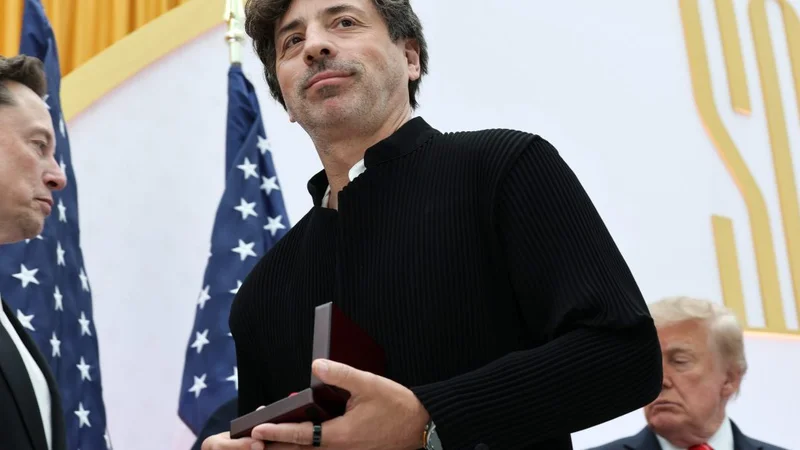
Image: Fortune AI
Main Takeaway
Sergey Brin has poured $102 million into opposing California’s proposed billionaire wealth tax while building a political organization designed to influence state policy beyond the ballot measure.
Jump to Key PointsSummary
Brin’s political transformation
Sergey Brin has become one of California’s most powerful political financiers through his campaign against a proposed billionaire wealth tax. The Google cofounder, who spent much of his career away from electoral politics, has contributed $102 million to the effort opposing Proposition 40, according to Fortune AI and figures cited across the coverage.
The tax fight has given Brin more than a single policy target. His organization, Building a Better California, is assembling political infrastructure intended to remain active after voters decide the measure. That shift places Brin alongside a wider group of technology billionaires whose fortunes, companies, and residency decisions are increasingly entangled with California policy.
The tax at the center
California’s proposed wealth tax would impose a major financial obligation on some of the state’s richest residents, with media accounts estimating that Brin’s personal exposure could reach roughly $13 billion. The measure has therefore become both a fiscal debate and a referendum on whether wealthy Californians should help fund public priorities through a tax on accumulated assets.
Supporters frame the proposal as a way to raise substantial revenue from residents with extraordinary holdings. Opponents argue that it would encourage wealthy taxpayers to leave, complicate business activity, and shrink the state’s economic base. California-focused explainers from CalMatters and campaign coverage from Politico have treated the measure as a major test of the state’s approach to taxing extreme wealth.
Spending has set a new benchmark
The campaign has become one of the most expensive state-level political fights in California history. Brin’s $102 million contribution makes him the leading individual donor to the opposition effort, while other billionaires have joined the spending surge, according to Politico and coverage from Indian business publications.
The size of the checks matters beyond the immediate vote. Large contributions pay for advertising, polling, field operations, legal work, policy research, and voter outreach. They also give donors access to political professionals and durable networks that can be redirected toward future candidates, legislation, and ballot campaigns. That is why Building a Better California matters as an organization, not merely as a vehicle for defeating one tax proposal.
Silicon Valley’s divided response
California’s technology elite has split over the tax, with some billionaires backing opposition efforts and others leaving the state. Larry Page and other wealthy technology figures have been associated with the broader flight of ultra-rich residents, while Brin has chosen political intervention as his principal response, according to Fortune AI and related coverage.
Palmer Luckey, the Oculus VR and Anduril cofounder, offers a different model. Luckey opposes the proposed tax but has said he intends to remain in California because he considers the state exceptional and wants to fight for its future. His position highlights the tension inside the technology sector: executives can object to the policy while still believing California remains too valuable to abandon.
The stakes for California policy
The fight will test whether concentrated private wealth can shape a statewide policy debate at a scale normally associated with national elections. Brin’s spending gives opponents access to sustained campaign capacity, while supporters of the tax must persuade voters that the revenue and fairness arguments outweigh concerns about migration and economic disruption.
The result will also establish a precedent for future ballot initiatives involving taxation, housing, business regulation, and public spending. If Brin’s organization continues operating after Proposition 40, it can become a standing force in Sacramento rather than a temporary campaign committee. California’s political class will then have to account for a new participant with deep resources, a technology-sector network, and a direct interest in the state’s tax policy.
What happens after the vote
The ballot result will determine whether the proposed wealth tax takes effect, but it won't determine whether Brin remains politically active. Building a Better California is structured around longer-term influence, and its future activity will show whether the campaign was a one-issue intervention or the beginning of a permanent billionaire-backed policy operation.
For California, the next phase will involve both implementation questions and political accounting. A defeat could strengthen critics who say wealth taxes drive residents away, while passage would trigger debates over valuation, enforcement, and taxpayer relocation. Either outcome leaves the state with a clearer lesson: billionaires are no longer treating Sacramento as background noise when policy reaches their balance sheets.
Key Points
Sergey Brin has spent $102 million opposing California’s proposed billionaire wealth tax.
Building a Better California is designed to influence state policy beyond Proposition 40.
California’s wealth tax could create an estimated $13 billion personal exposure for Brin.
Palmer Luckey opposes the tax while choosing to remain in California.
Billionaire spending has made the ballot fight one of California’s costliest political campaigns.
Questions Answered
Sergey Brin is opposing California’s proposed billionaire wealth tax because it could create an estimated personal liability of about $13 billion. His campaign also reflects broader concerns about wealthy residents leaving and the effects on companies and investment.
Building a Better California is the political organization supporting opposition to Proposition 40 and the proposed wealth tax. Sergey Brin is building it as a lasting political operation that can work on future California policy fights.
Sergey Brin could face an estimated tax bill of roughly $13 billion if the measure passes. The exact amount would depend on the law’s valuation and enforcement rules.
Palmer Luckey is not leaving California over the proposed billionaire tax. The Oculus VR and Anduril cofounder opposes the measure but has said California is worth staying in and fighting for.
Sergey Brin’s political operation is designed to continue after voters decide Proposition 40. Building a Better California could support future ballot campaigns, candidates, and policy efforts in Sacramento.
Source Reliability
57% of sources are trusted · Avg reliability: 69
Go deeper with Organic Intel
Simple AI systems for your life, work, and business. Each one includes copyable prompts, guides, and downloadable resources.
Explore Systems