SpaceX’s billion-share lockup expires Thursday, unleashing a $100 billion test for the stock and a new class of ultrawealthy
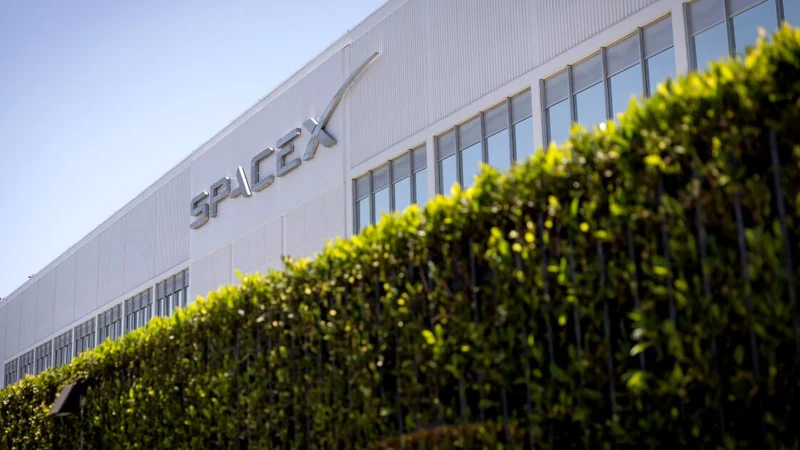
Image: Latimes
Main Takeaway
Nearly one billion SpaceX shares held by early employees and pre-IPO investors unlock Thursday, representing a $100 billion supply shock that will test the stock already down sharply from its June debut.
Jump to Key PointsSummary
The scale of the share unlock
On Thursday, nearly a billion shares of SpaceX, held by early employees and pre-IPO investors, break free from their lockup restrictions. According to Fortune, the shares total around $100 billion at current prices, a supply shock larger than the entire IPO itself. Forbes reports the exact figure as 912 million shares becoming eligible, which effectively doubles the amount of tradable stock available on the market.
The lockup expiration arrives roughly two months after SpaceX went public on June 12 at $135 per share. CNBC covered that debut, noting shares closed near $161, a 19% jump, and continued climbing in extended trading to roughly $167. At the peak, the stock touched $225.64, pushing the company's market capitalization above $2.1 trillion. Since then, gravity has taken hold: Fortune reports the stock now trades below $110, with more than $1 trillion in market value erased from the top.
Wall Street analysts are watching closely. D.A. Davidson's Gil Luria told Fortune that Musk already knows how this will play out, and Morgan Stanley framed the potential dip as an opportunity "to gain exposure to a potential generational compounder." The New York Times warns investors to prepare for a bumpy ride as the lockup expiration arrives.
Why employees couldn't sell during the peak
Few public offerings have created so many paper millionaires so quickly, but that wealth was trapped on paper. Fortune notes that most employees could do nothing but watch as the stock soared past $225 and then collapsed below $110. Their pre-IPO shares remained locked up during the entire volatile swing.
The human impact is enormous. CNBC reported ahead of the IPO that SpaceX's market debut minted thousands of new millionaires and multiple new billionaires. Current and former employees, while unable to sell immediately, were already planning how to spend their windfalls. The plans include luxury homes in areas like Palos Verdes, high-end watches, and private jet travel, according to wealth advisors and luxury brokers CNBC interviewed.
Now that the lockup expires, those employees and early investors finally get access to their shares. The question is whether they'll sell into a depressed stock price, creating further downward pressure, or hold on in hopes of a recovery. The New York Times frames this as the central tension of the week.
The fundamental picture behind the stock
Despite the stock's rough ride, SpaceX's underlying business is showing strength. The Los Angeles Times reports that in its first quarterly earnings release since the IPO, the company beat Wall Street expectations. Revenue rose 92% to $7.81 billion, topping the $6.81 billion analysts polled by Bloomberg had estimated. The company cut its losses to $541 million, or 9 cents a share, compared to a $1 billion loss a year earlier and below the 24-cent loss analysts had forecast.
Capital expenditures ballooned dramatically to $18.4 billion for the quarter, signaling aggressive investment in the company's rocket, internet, and AI infrastructure. The LA Times notes this spending underscores Musk's long-term ambition even as the stock price reflects shorter-term market anxiety.
Fortune contextualizes the numbers by pointing to the stock's trajectory: shares priced at $135, valuing the company at roughly $1.8 trillion, and closed near $161 on day one, pushing market cap above $2.1 trillion. The current price below $110 represents a steep discount to the IPO level, even as the business fundamentals have improved.
What Wall Street expects next
Wall Street isn't panicking. Fortune and Yahoo both quote the sentiment that "you never bet against Elon," a refrain from D.A. Davidson's Gil Luria. The view among many analysts is that the lockup sell-off could create a buying opportunity rather than a crisis. Morgan Stanley explicitly told clients the unlock provides a chance to buy into a "generational compounder" at a discount.
Four index providers rushed SpaceX into millions of 401(k)s within 25 days of listing, according to Fortune and Yahoo Finance. That institutional demand offers a structural floor for the stock. If the price dips further, passive funds and retail investors who missed the IPO may step in.
The New York Times is more cautious, warning that the sheer volume of shares hitting the market could overwhelm that demand in the short term. The paper underscores that lockup expirations often produce volatile trading days, and this one is unusually large by any standard.
The new ultrawealthy class and its ripple effects
SpaceX created a new class of ultrawealthy individuals faster than almost any public offering in history. Fortune characterizes the event as producing more paper millionaires more quickly than nearly any other IPO. CNBC's wealth reporting details how these newly rich employees are already reshaping luxury markets.
Wealth advisors told CNBC that employees are eyeing coastal California real estate, particularly in Palos Verdes, along with high-end watches and private aviation. The spending wave, if it materializes, could ripple through luxury housing markets, luxury goods, and travel sectors in the coming months.
But the wealth remains conditional. If the stock continues to slide, those spending plans may get delayed or downsized. Fortune notes that the wealth was always "on paper," and the lockup expiration turns that paper into real cash, for better or worse.
The larger significance for private markets
The SpaceX lockup expiration is a test case for how the market absorbs a massive wave of insider selling from a company that went public at a staggering valuation. The New York Times frames it as a moment that could influence how other large private companies think about IPO timing and lockup structures.
Forbes contributor Jim Osman, a finance expert with over 30 years of experience, notes that the 912 million shares becoming eligible represent an unusual concentration of wealth release. The mechanics of how this plays out, whether through orderly selling or a rush for the exits, will be studied by private companies and their bankers for years.
The Threads post from Moneycontrol summarizes the situation succinctly: millions of employee-held SpaceX shares unlock, rattling Wall Street, with 912 million shares becoming eligible and doubling tradable stock. The post captures the anxiety rippling through markets and the broader implications for how private wealth transitions to public markets.
Key Points
SpaceX's lockup expiration Thursday releases 912 million shares worth roughly $100 billion, doubling the tradable stock.
The stock has fallen from a peak of $225.64 to below $110, erasing over $1 trillion in market value since the June IPO.
SpaceX beat earnings expectations with revenue up 92% to $7.81 billion and losses narrowing to $541 million.
Wall Street analysts frame the lockup as a buying opportunity, with Morgan Stanley calling SpaceX a generational compounder.
Thousands of newly minted employee millionaires are planning luxury spending on homes, watches, and private jets.
Questions Answered
Nearly one billion SpaceX shares are unlocking, totaling 912 million shares held by early employees and pre-IPO investors. At current prices, the shares represent approximately $100 billion in value.
SpaceX priced its IPO at $135 per share on June 12, 2026, and the stock closed its first day near $161. It peaked at $225.64 four days later, pushing the market cap above $2.1 trillion, but has since fallen below $110, erasing more than $1 trillion in value.
SpaceX beat Wall Street expectations in its first earnings release. Revenue rose 92% to $7.81 billion, and the company cut its loss to $541 million, or 9 cents per share, compared to a $1 billion loss a year earlier.
Employees were subject to a standard IPO lockup period that prevented them from selling their pre-IPO shares for roughly seven weeks after the market debut. The lockup expires Thursday, finally allowing them to sell.
According to CNBC, newly wealthy SpaceX employees are planning to spend on luxury real estate in areas like Palos Verdes, high-end watches, and private jet travel. Wealth advisors have been fielding calls from employees preparing for the windfall.
Wall Street sentiment is mixed but not panicked. Morgan Stanley calls the potential dip a buying opportunity, while D.A. Davidson's Gil Luria says 'you never bet against Elon.' The New York Times warns of a bumpy ride in the short term.
Source Reliability
50% of sources are highly trusted · Avg reliability: 74
Go deeper with Organic Intel
Simple AI systems for your life, work, and business. Each one includes copyable prompts, guides, and downloadable resources.
Explore Systems