Waymo Sets 2028 Singapore Robotaxi Launch as Alphabet Pushes Beyond the U.S
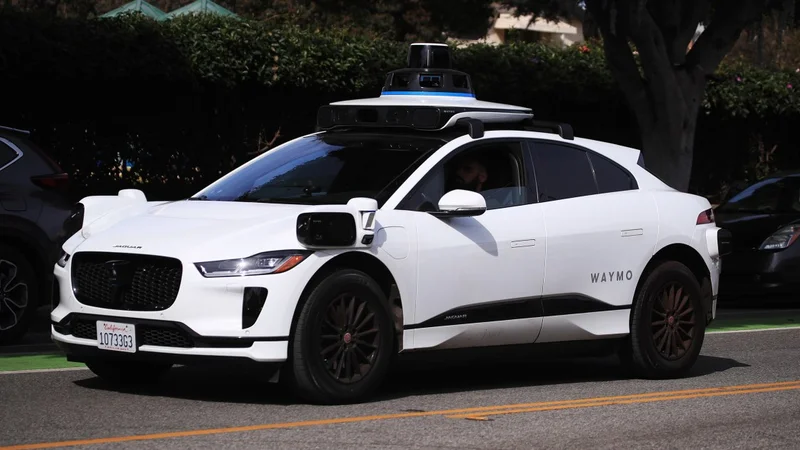
Image: Nbcnews
Main Takeaway
Waymo plans to offer paid driverless rides in Singapore by 2028, expanding Alphabet’s robotaxi business into Southeast Asia after rapid growth across U.S. cities.
Jump to Key PointsSummary
Singapore marks a new regional push
Waymo plans to offer paid, fully autonomous robotaxi rides in Singapore by 2028, marking the Alphabet unit’s first announced entry into Southeast Asia. The expansion extends a global rollout that also includes planned services in Japan, Germany and the United Kingdom, according to Fortune AI and Bloomberg AI.
Singapore gives Waymo a compact, highly regulated test market with dense urban traffic and an established record of transport planning. The company’s announcement came shortly after its plans for Tokyo, where it is targeting a 2027 launch with local partners. The Singapore service remains subject to local approvals, operational preparation and safety validation before commercial rides begin.
A business built on paid rides
Waymo enters Singapore with a commercial model already tested in the United States. The company reported more than 250,000 paid robotaxi rides per week in April 2025, up from 200,000 in February after opening in Austin and expanding in the San Francisco Bay Area, according to CNBC.
That volume has since grown sharply. Waymo said it was providing more than 500,000 autonomous rides each week by April 2026, while operating across 11 U.S. cities, Business Insider reported. The figures give Alphabet a revenue and operational base for international expansion, although Singapore’s market size and pricing structure will differ from those of large American metropolitan areas.
Expansion follows U.S. momentum
Waymo’s Singapore plan follows an accelerating U.S. rollout. The company said it would begin driverless service in San Diego, Las Vegas, Tampa and Denver, initially opening those rides to Alphabet employees before broader availability, CNBC reported in July 2026.
The domestic push has strengthened Waymo’s position against Tesla and Amazon-owned Zoox. Waymo has also used partnerships with Uber, automakers and fleet operations companies because it cannot handle every part of deployment alone, according to CNBC. Its decision to launch a standalone app in Austin and Atlanta in January 2028, ending exclusivity with Uber in those cities, points to a broader strategy that combines distribution partnerships with direct customer access.
Local partners will shape the rollout
Waymo’s Asian expansion depends on local operating relationships as much as on its autonomous-driving system. In Tokyo, the company is working with Nihon Kotsu and ride-hailing platform GO on a phased Level 4 service planned to begin with about 100 vehicles, subject to regulatory approval and safety validation, Autoweek reported.
Singapore’s announcement did not identify an equivalent operating fleet or local commercial partner in the provided coverage. That leaves important execution questions for the 2028 launch, including vehicle operations, maintenance, customer support, mapping and coordination with Singapore’s transport authorities. Waymo’s U.S. partnerships show why those functions matter: robotaxi deployment requires a physical service network alongside the software and sensors inside each vehicle.
Safety and regulation remain central
Paid service in Singapore will put Waymo’s safety record and regulatory process under close scrutiny. The company has delivered millions of autonomous rides and built its public service around fully driverless trips, but robotaxi incidents have also drawn public attention as operations expanded, Business Insider reported.
Singapore’s tightly managed roads and transport rules can support controlled testing, while its regulators will determine the conditions for commercial operation. Waymo’s Tokyo plan shows that the company is publicly tying international launches to regulatory approval and completed safety validation. The same requirements will shape whether Singapore’s 2028 target becomes a broad public service or a limited initial deployment.
What happens before 2028
Waymo’s next steps are to deepen U.S. coverage, establish its Japan program and prepare the local infrastructure needed for Singapore. The company’s expansion schedule places Tokyo ahead of Singapore, creating an Asian operating base and an early test of how its U.S.-developed service adapts to different transport systems.
The planned Singapore rides also give Alphabet a chance to diversify Waymo’s business beyond one national market. Direct app distribution, Uber partnerships and local taxi relationships represent different ways to reach riders and manage fleets. If approvals and safety work stay on schedule, Singapore will become a significant demonstration of whether Waymo can reproduce its paid robotaxi model across international markets.
Key Points
Waymo plans paid driverless robotaxi rides in Singapore by 2028, entering Southeast Asia for the first time.
Waymo’s U.S. service exceeded 500,000 autonomous rides weekly by April 2026 across 11 cities.
Waymo’s Tokyo partnership targets a phased 2027 launch with Nihon Kotsu and ride-hailing platform GO.
Waymo combines Uber distribution with plans for its own app in Austin and Atlanta starting January 2028.
Singapore regulators will determine commercial operating conditions, safety validation requirements and launch scope.
Questions Answered
Waymo plans to launch paid robotaxi rides in Singapore by 2028. The service will require local regulatory approval, operational preparation and safety validation before commercial deployment.
Waymo is expanding to Singapore to enter Southeast Asia and extend its robotaxi business beyond the United States. Singapore offers a dense, highly regulated urban transport market for international testing and operations.
Waymo provided more than 500,000 autonomous rides per week by April 2026. The company had reported more than 250,000 paid rides per week in April 2025 and operated in 11 U.S. cities by 2026.
Waymo is targeting a Tokyo robotaxi launch in 2027, before its planned Singapore service in 2028. The Tokyo program involves Nihon Kotsu and GO and initially targets about 100 autonomous vehicles.
Waymo has not identified a Singapore distribution partner in the provided announcement coverage. Its U.S. strategy includes Uber partnerships, local operators and a planned direct app, but the Singapore arrangement remains to be detailed.
Source Reliability
56% of sources are trusted · Avg reliability: 78
Go deeper with Organic Intel
Simple AI systems for your life, work, and business. Each one includes copyable prompts, guides, and downloadable resources.
Explore Systems