Federal Reserve Raises Rates to 3.75%-4% as Energy Inflation Returns and Markets Absorb New Tightening
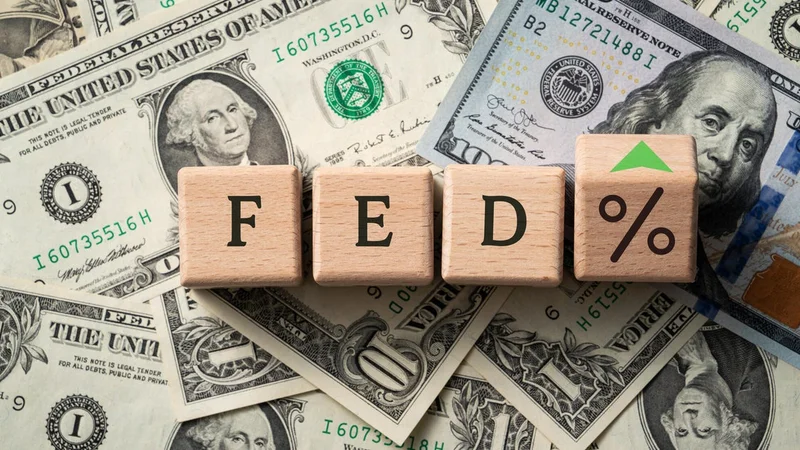
Image: Cbsnews
Main Takeaway
The Federal Reserve raised its benchmark rate to 3.75%-4% for the first time since 2023, responding to renewed inflation driven by surging energy prices.
Jump to Key PointsSummary
The Fed resumes tightening
The Federal Reserve raised its benchmark interest rate by 0.25 percentage points to a target range of 3.75% to 4%, marking its first increase since 2023. The move reverses the central bank’s pause as inflation has accelerated again, with soaring energy prices adding pressure across the economy.
Policymakers unanimously backed the decision and signaled that another increase could arrive before the end of 2026. The rate remains below the 5.25% to 5.5% range maintained from July 2023 through the earlier tightening cycle, but it is now at its highest level since December 2025. The Federal Reserve’s benchmark affects borrowing costs for households, businesses and financial markets.
Energy prices drive inflation
The rate increase responds chiefly to renewed inflation tied to higher global energy costs. The conflict involving Iran has disrupted energy markets and lifted prices, creating a fresh challenge for policymakers after inflation had eased enough to support a prolonged pause.
Higher fuel and energy costs can spread through transportation, manufacturing, food distribution and household utility bills. That broad pressure gives the Fed a reason to keep monetary policy restrictive even as higher borrowing costs weigh on demand. The central bank’s decision also reflects the longer pattern of elevated rates used to counter the post-pandemic inflation surge, which began with rapid increases in 2022 and 2023.
Political pressure raises stakes
The increase defied President Donald Trump’s calls for lower interest rates, putting the Federal Reserve’s independence at the center of the decision. Chair Kevin Warsh said, “The plain fact is that inflation is too high and has been for too long,” according to NBC News.
The unanimous vote gives the policy shift a clear institutional mandate, even as the move increases political tension. Lower rates would reduce financing costs and support interest-sensitive sectors, while the Fed’s priority is containing prices before inflation becomes entrenched. The prospect of another hike before year-end keeps the dispute active and gives investors a new policy path to evaluate.
Borrowers and homeowners feel the change
The federal funds rate does not directly set mortgage rates, but the hike can influence borrowing costs throughout the economy. Mortgage rates respond more closely to Treasury yields and expectations for future inflation and Fed policy, so the immediate effect on home loans depends on how markets interpret the central bank’s outlook.
Credit cards, home-equity lines and many variable-rate loans generally react more quickly because their pricing is linked to short-term benchmarks. Businesses also face higher financing costs, while savers can receive better returns on some deposits and money-market products. The rate decision therefore creates a mixed household impact: borrowers pay more, while cash holders gain income from higher yields.
Markets absorb an unusual reaction
Stocks initially slipped after the announcement, but equities later rallied as bond yields fell. That reaction shows that investors focused on the expected path of policy as much as the quarter-point increase itself. Falling yields can ease pressure on stock valuations and offset some of the immediate damage from tighter monetary policy.
Historical data offers a less dramatic baseline. The S&P 500 has declined an average of 4% during the 6 weeks after the first hike of a cycle across 7 episodes since 1988, then recovered those losses over the following 5 to 6 weeks, according to an analysis cited by Finance Yahoo. Those averages describe past cycles, not a forecast for the current inflation and energy shock.
What happens before year-end
The next phase depends on whether energy-driven inflation spreads into broader prices and wages. One more rate increase is signaled before the end of the year, while investors will track inflation readings, employment data, oil prices and Treasury yields for evidence that the tightening cycle is extending.
The September decision places the Fed between competing risks. Keeping rates higher can restrain demand and inflation, but sustained tightening can weaken housing, business investment and stock valuations. The pause that began after the earlier hiking cycle has ended, leaving households, companies and markets to adjust to renewed policy pressure.
Key Points
Federal Reserve raised rates to 3.75%-4%, its first increase since 2023, to counter renewed inflation.
Energy prices linked to the Iran conflict are adding inflation pressure across transportation, manufacturing and household budgets.
Fed policymakers unanimously supported the hike and signaled another increase could come before year-end.
Mortgage rates may respond through Treasury yields and inflation expectations rather than directly tracking the Fed decision.
U.S. stocks initially slipped, then rallied as bond yields fell after the rate announcement.
Questions Answered
The Federal Reserve raised rates because renewed inflation was being driven by sharply higher energy prices. The Iran conflict has disrupted global energy markets, increasing pressure on consumer and business costs.
The Federal Reserve set its federal funds target range at 3.75% to 4%. The quarter-point increase was the first Fed rate hike since 2023.
The Federal Reserve signaled that another rate increase could happen before the end of 2026. Future decisions will depend on inflation, energy prices, employment and broader economic conditions.
The Federal Reserve rate hike can influence mortgage rates through Treasury yields and expectations for future inflation and policy. Mortgage rates do not move one-for-one with the federal funds rate, so the effect depends on market pricing.
U.S. stocks initially fell after the Federal Reserve raised rates, then rallied as bond yields declined. The mixed reaction reflected investor attention to the expected path of policy as well as the immediate increase.
Source Reliability
70% of sources are highly trusted · Avg reliability: 80
Go deeper with Organic Intel
Simple AI systems for your life, work, and business. Each one includes copyable prompts, guides, and downloadable resources.
Explore Systems