Snap Debuts $2,195 Specs AR Glasses, Betting Fashion Can Overcome Wearable Tech's Style Problem
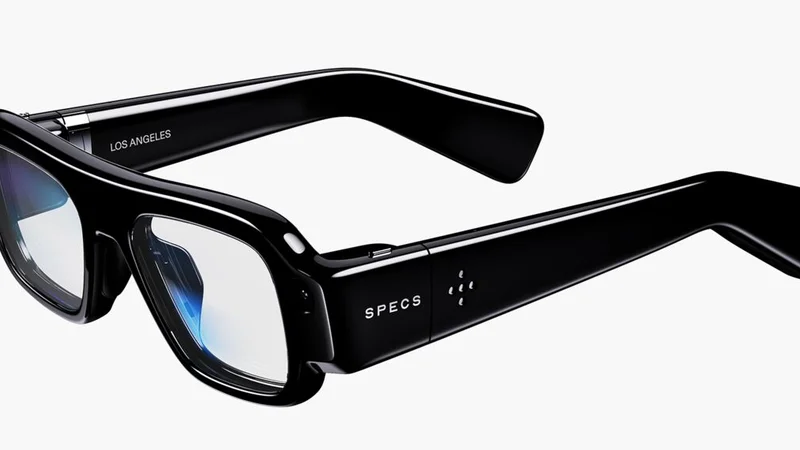
Image: Bloomberg AI
Main Takeaway
Snap launched $2,195 Specs AR glasses with a bold fashion-forward design that risks alienating mainstream buyers despite celebrity marketing.
Jump to Key PointsSummary
Why Snap priced these glasses like luxury fashion
Snap set the Specs at $2,195, a price point that slots the device firmly into luxury territory rather than mass-market consumer electronics. The company is not apologizing for this. CEO Evan Spiegel told CNBC the glasses represent more than 12 years of development and framed them as an computer replacement, not a phone accessory. He described the ambition as bringing computing into the world and making it more human, a familiar pitch in the AR industry that has rarely translated to sustained consumer interest.
The pricing strategy signals confidence in scarcity and exclusivity over volume. Snap is borrowing from fashion house playbooks, where high prices create desirability rather than deter it. Whether this works for technology, where functionality expectations run high, remains an open question that the company will answer this fall when sales begin.
What the design actually looks like on faces
The Specs feature chunky frames, angular lines vaguely reminiscent of aviators, and arms that reviewers describe as ginormous and visibly heavy. The Verge's hands-on observation noted that when Spiegel moved his head, light caught the lenses and revealed the hidden display outline, an ironic visual for a product pitched as reducing screen dependence. The glasses automatically transition between clear and tinted states based on lighting conditions, a functional feature that adds bulk.
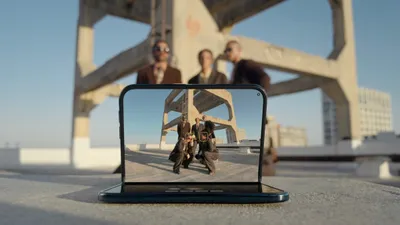
Snap commissioned a global advertising campaign shot by Steven Meisel, the fashion photographer known for Vogue covers and campaigns for Versace, Valentino, Dolce & Gabbana, Balenciaga, and Loewe. The models include Kaia Gerber, Hoyeon, Jimmy Butler, Jack Harlow, and Imogen Heap, all figures celebrated for distinctive personal style rather than mainstream accessibility. This casting choice reinforces that Snap knows these glasses demand a certain wearer, someone whose existing fashion credibility can absorb the device's assertive visual statement.
The ghost of Google Glass haunts this launch
Wearable tech history offers cautionary parallels that Snap must overcome. The original Google Glass failed partly because its design evoked DragonBall Z scouters and cyberpunk dystopia, making wearers conspicuous targets for ridicule as glassholes. Meta's Ray-Ban Display glasses, despite borrowing the classic Wayfarer silhouette, drew complaints about chunkiness that alienated style-conscious buyers. The pattern is consistent: bolder wearable tech designs correlate with lower everyday adoption.
Spiegel's personal appearance wearing the Specs during media interviews became an unplanned test case. Observers noted the glasses dominated his face in ways that distracted from his message about human connection. If the CEO cannot seamlessly integrate the product into his own public image, the challenge for ordinary consumers multiplies considerably.
Whether fashion marketing solves a technology problem
Snap's strategy assumes that fashion credibility can compensate for functional compromise. The Meisel campaign and celebrity roster borrow legitimacy from an industry that operates on aspiration rather than utility. This is a deliberate reframing, positioning Specs as wearable art that happens to contain computing rather than computing that attempts to be wearable.
The risk is that fashion's exclusivity model conflicts with technology's scale imperatives. Haute couture thrives on inaccessibility; consumer electronics historically require it. Apple's Watch succeeded by becoming ubiquitous enough to be invisible. Snap is betting the opposite, that visibility and statement-making are features, not bugs. The fall launch will reveal whether enough consumers want to make that statement.
What happens next for AR wearables competition
The Specs launch intensifies pressure on Meta, Apple, and other AR hardware players to clarify their own strategies. Meta has pursued mainstream accessibility through Ray-Ban partnerships; Snap's luxury positioning creates differentiated market segmentation that could either expand the category or fragment it. Apple's long-rumored AR glasses remain unannounced, leaving space for Snap to define premium positioning before a well-funded competitor enters.
For developers and content creators, the limited audience implied by $2,195 pricing suggests a narrow addressable market regardless of technical capabilities. The hardware's success depends less on specifications than on whether wearing Specs becomes culturally legible as cool rather than conspicuous. Snap has engineered the technology. Engineering social acceptance is the harder remaining task.
Key Points
Snap launched $2,195 Specs AR glasses with luxury fashion positioning for fall 2026 release.
CEO Evan Spiegel framed Specs as a 12-year development to replace phones with world-integrated computing.
The chunky angular design with visible display outlines drew criticism for conspicuousness during media appearances.
Steven Meisel shot the global campaign featuring style-celebrity models to establish aspirational fashion credibility.
Previous bold wearable designs including Google Glass failed partly due to social stigma and conspicuous appearance.
Questions Answered
Snap's Specs cost $2,195. The company positioned this price point as luxury fashion rather than mass-market consumer electronics, with a global campaign shot by high-fashion photographer Steven Meisel.
Snap Specs go on sale in fall 2026. The glasses were unveiled at the AWE mixed-reality conference in Long Beach, California on June 16, 2026.
The thick-rimmed design accommodates AR display technology, automatic tinting lenses, and computing hardware. Reviewers noted the arms are particularly large and heavy, with display outlines visible when light catches the lenses.
The $2,195 price deliberately targets luxury positioning over mass adoption. Snap's strategy assumes fashion exclusivity creates desirability, though this conflicts with technology's typical need for scale and risks limiting the developer and content ecosystem.
Snap Specs cost significantly more than Meta's Ray-Ban collaboration and feature a bolder, more conspicuous design. Meta pursued mainstream accessibility through familiar Wayfarer styling, while Snap emphasizes statement-making fashion distinction.
Source Reliability
38% of sources are highly trusted · Avg reliability: 71
Go deeper with Organic Intel
Simple AI systems for your life, work, and business. Each one includes copyable prompts, guides, and downloadable resources.
Explore Systems