Shein IPO Shrinks Valuation to $27 Billion, Erasing $15 Billion From CEO Sky Xu’s Fortune
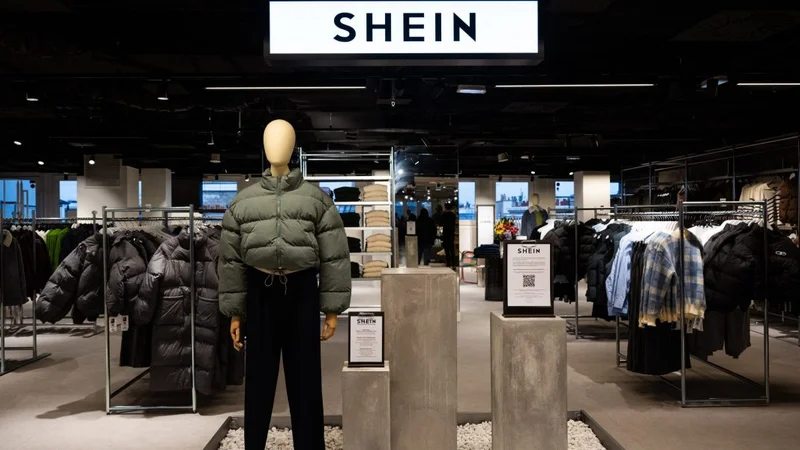
Image: Fortune AI
Main Takeaway
Shein’s Hong Kong IPO values the fast-fashion company at roughly $27 billion, cutting CEO Sky Xu’s estimated wealth from more than $23 billion to about $8 billion.
Jump to Key PointsSummary
A dramatically smaller public debut
Shein is preparing to list in Hong Kong at a valuation of roughly $27 billion, a steep retreat from the $100 billion valuation attached to the company in 2022. The offering places the fast-fashion retailer at just over a quarter of its earlier private-market value and sharply reduces the paper fortune of founder and CEO Sky Xu.
Xu owns about 30% of Shein, putting his stake at approximately $8 billion at the listing price, down more than $15 billion from an estimated net worth above $23 billion. The company had once been valued above the parent companies of H&M and Zara combined, making its compressed IPO a measure of how quickly investor enthusiasm has cooled around its growth model.
Tariffs pressure the business
Tariffs have become a direct financial problem for Shein as the company approaches its listing. The retailer’s cross-border shipping model depends on sending large volumes of inexpensive parcels to shoppers, and changes to trade rules have raised the cost of serving key markets.
Shein has flagged tariff effects after recording a loss ahead of the Hong Kong IPO, adding pressure to a valuation already reduced by concerns about growth and profitability. The company built its expansion around low prices, rapid product turnover and a supply chain designed for international online sales. Higher import costs attack that formula at its most sensitive point: the gap between cheap production and cheap delivery.
Scrutiny and competition compound losses
Political scrutiny and intensifying competition have weakened Shein’s position since its $100 billion valuation. The company faces questions surrounding its Chinese origins, supply-chain practices and operating model while rivals continue competing for shoppers seeking low-cost apparel.
Shein’s rise depended on an unusually fast feedback loop between online demand, factory production and global fulfillment. That system made the retailer a major force in fashion, but it also exposed the company to regulatory attention and imitation. Established brands, online marketplaces and newer low-price competitors are contesting the same consumers, while investors are demanding clearer evidence that sales growth can translate into durable profits.
The IPO’s long retreat
The Hong Kong listing follows a prolonged effort to bring Shein to public markets after its private valuation was cut from $100 billion to as low as $27 billion. The delayed timetable and reduced pricing turned the offering into a test of whether public investors would accept the company on more demanding terms.
A smaller IPO gives Shein access to listed-market capital and a formal share price, but it also exposes the company to daily investor scrutiny. The offering’s size and valuation will shape perceptions of the broader fast-fashion sector, where rapid expansion has collided with rising costs, political pressure and questions about the endurance of ultra-low-price retail.
What the valuation means for Xu
Sky Xu’s wealth decline reflects the repricing of his Shein holding rather than a cash payment of $15 billion. At roughly 30% ownership, the difference between the company’s earlier $100 billion valuation and its planned $27 billion listing value produces a dramatic reduction in the estimated value of his stake.
The change also illustrates the distance between private funding rounds and public-market pricing. A founder can rank among the world’s wealthiest entrepreneurs while a company remains privately held, but an IPO forces a broader pool of investors to set the price against current earnings, risks and growth prospects. Xu’s reduced fortune therefore tracks Shein’s market reset as closely as it tracks his personal ownership.
The test after listing
Shein’s next challenge is to prove that its low-price, online-first model can withstand tariffs, scrutiny and competition while producing sustainable returns. The listing creates a public benchmark for that effort and gives investors a way to judge the retailer against both traditional fashion groups and digital rivals.
The company’s performance after the debut will matter more than the headline valuation. Revenue growth, margins, tariff exposure and customer demand will determine whether the IPO marks a temporary discount or a lasting reset. For Shein, the public market has replaced the private-market promise of hypergrowth with a sharper demand for financial evidence.
Key Points
Shein’s Hong Kong IPO values the company near $27 billion, down sharply from its $100 billion 2022 valuation.
Sky Xu’s estimated fortune falls more than $15 billion as his 30% Shein stake is repriced.
Shein flags tariff pressure and posts a loss before its public-market debut.
Political scrutiny and fast-fashion competition add pressure to Shein’s low-price international model.
The IPO gives investors a public benchmark for Shein’s growth, margins and supply-chain risks.
Questions Answered
Shein’s Hong Kong IPO values the company at roughly $27 billion. That is just over a quarter of its $100 billion valuation from 2022.
Shein CEO Sky Xu’s estimated wealth fell because the market value of his roughly 30% company stake declined. His fortune drops from more than $23 billion to about $8 billion at the IPO valuation.
Tariffs are raising Shein’s costs for cross-border sales and international fulfillment. The company has flagged tariff pressure after posting a loss ahead of the Hong Kong listing.
Shein’s valuation fell amid tariffs, political scrutiny, stronger competition and investor concerns about profitability. Delays to the IPO also shifted attention from private-market growth claims to public-market financial performance.
Shein will face daily public-market scrutiny over revenue, margins, tariffs and customer demand. Its post-listing performance will show whether the reduced valuation is temporary or reflects a lasting reset.
Source Reliability
67% of sources are highly trusted · Avg reliability: 84
Go deeper with Organic Intel
Simple AI systems for your life, work, and business. Each one includes copyable prompts, guides, and downloadable resources.
Explore Systems