Jury Rules Against Musk in OpenAI Trial as Altman, Brockman Secure Victory
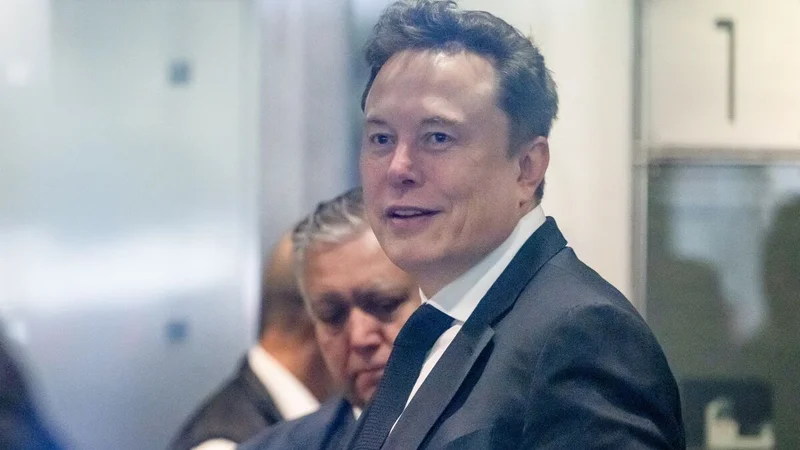
Image: Bloomberg AI
Main Takeaway
A California jury dismissed Elon Musk's lawsuit against OpenAI on statute-of-limitations grounds after a two-hour deliberation, though Musk plans to appeal. The verdict caps a trial that pitted Musk against Sam Altman and Greg Brockman over OpenAI's $134 billion future and its 2019 shift to a capped-profit model.
Jump to Key PointsSummary
The trial stems from Elon Musk's lawsuit alleging that Sam Altman and OpenAI betrayed the company's original nonprofit mission. According to CBS News, Musk claims a stark betrayal of the AI company's founding principles. The Guardian reports Musk accused Altman of stealing a charity, framing the dispute as a fundamental violation of trust. This is not a simple business disagreement. It pits two of tech's most visible figures against each other with the future of artificial intelligence hanging in the balance.
The case centers on OpenAI's 2019 shift from a pure nonprofit to a capped-profit structure, a move Musk argues violated the organization's charter. Times of India notes the trial involves $134 billion at stake, reflecting OpenAI's massive valuation. The Verge and other outlets have highlighted how this transformation allowed OpenAI to accept billions in Microsoft investment while maintaining its original safety-focused mission, at least on paper. That tension, between profit motive and public good, is what a jury must now untangle.
A new financial dimension emerged from court-disclosed documents reported by Finance.yahoo, Financial Post, and Seeking Alpha: Microsoft internally targeted a $92 billion return on its early OpenAI investments. TechCrunch and Finance.yahoo separately confirmed this figure, which underscores the scale of Microsoft's bet and helps explain why the software giant has now begun reducing its exclusive dependence on OpenAI, as Forbes AI reported with the end of their exclusive partnership .
Altman's Defense of His Leadership Record
Sam Altman took the witness stand May 13, 2026 to defend himself as an honest and trustworthy businessperson, according to Fortune AI. His testimony directly rebutted claims from former board members who had disparaged his leadership during the company's 2023 governance crisis .
Brockman's Allegations of Physical Intimidation
OpenAI president Greg Brockman testified that Elon Musk physically intimidated him during a 2017 meeting, according to court reporting. Brockman described Musk grabbing his arm and threatening violence, a moment that underscored how personal the feud had become. The incident became a focal point of the trial's narrative about broken trust between former collaborators .
The Verdict: Musk Loses on Statute of Limitations
On May 18, 2026, a nine-member California jury dismissed all of Musk's claims against Altman and OpenAI. The panel took just two hours to reach its unanimous verdict, according to Wired AI. TechCrunch AI reported that jurors found Musk's lawsuits had been filed too late, ending the month-long trial in a decisive win for the defendants. The judge quickly adopted the jury's decision as her own final ruling .
Musk plans to appeal the verdict, Ars Technica AI reported, suggesting the legal battle may continue even after this clear-cut loss. The appeal could prolong the dispute over OpenAI's corporate structure and mission, though the statute-of-limitations finding typically presents a high bar to overcome .
The verdict preserves OpenAI's current capped-profit structure and its ability to continue raising capital, including from Microsoft, without the immediate threat of court-ordered changes. For Altman, the win validates his leadership through a period of intense scrutiny, from the 2023 boardroom crisis that temporarily removed him as CEO to this high-stakes trial .
What Happens Next
Musk's appeal will likely focus on whether the statute of limitations was correctly applied to his claims, though legal observers note such procedural dismissals are often difficult to overturn. The verdict leaves OpenAI free to pursue its current path, including its reported $134 billion valuation and continued Microsoft partnership, albeit now on non-exclusive terms .
For the broader AI industry, the case offered a rare public examination of how nonprofit ideals collide with the capital demands of building frontier AI systems. The jury's swift rejection of Musk's claims suggests the legal system found little merit in retroactively challenging a corporate transformation that occurred years prior, even one as consequential as OpenAI's .
Key Points
A California jury dismissed Elon Musk's lawsuit against OpenAI and Sam Altman on May 18, 2026, finding the claims were filed past the statute of limitations
The nine-member panel deliberated for just two hours before reaching its unanimous verdict
Greg Brockman had testified that Musk physically intimidated him during a 2017 meeting, grabbing his arm and threatening violence
Microsoft internally targeted a $92 billion return on its OpenAI investments, explaining its recent shift away from exclusive partnership
Musk plans to appeal the verdict, though statute-of-limitations dismissals are typically difficult to overturn
Questions Answered
A California jury dismissed all of Elon Musk's claims against Sam Altman and OpenAI on May 18, 2026, ruling that the lawsuits had been filed past the statute of limitations. The nine-member panel took just two hours to reach its unanimous verdict.
Yes. OpenAI president Greg Brockman testified that Elon Musk grabbed his arm and threatened violence during a 2017 meeting, which became a notable moment in the trial.
Yes, Ars Technica reported that Musk plans to appeal, though legal observers note that overturning a statute-of-limitations dismissal is typically difficult.
OpenAI's reported $134 billion valuation was on the line, along with its ability to maintain its capped-profit structure. Court documents also revealed Microsoft had internally targeted a $92 billion return on its OpenAI investments.
Source Reliability
46% of sources are highly trusted · Avg reliability: 82
Go deeper with Organic Intel
Simple AI systems for your life, work, and business. Each one includes copyable prompts, guides, and downloadable resources.
Explore Systems