Robot Autonomy Hits an Inflection Point as AI Moves From Chat to Physical Action
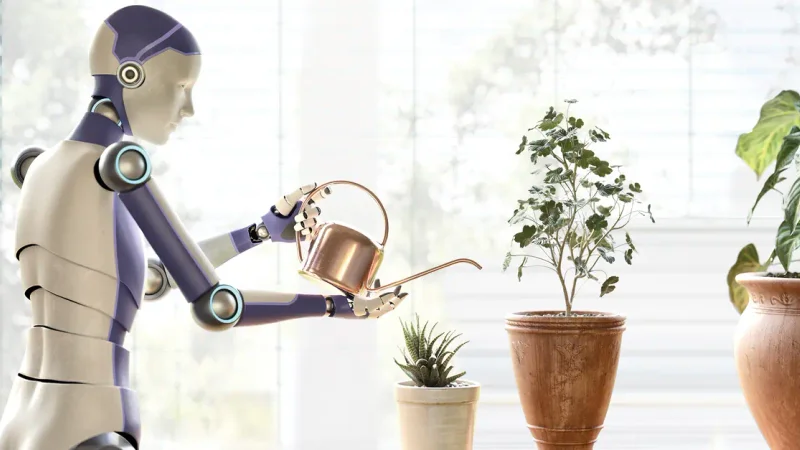
Image: Mitsloan.mit
Main Takeaway
Agility Robotics' Digit humanoids are already on factory floors as researchers predict 40% of household chores will be automated within a decade.
Jump to Key PointsSummary
The shift from programmed machines to learning workers
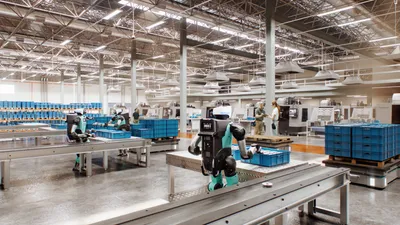
Agility Robotics' Digit humanoid robots are already walking warehouse and factory floors, not as scripted machines but as systems that adapt to their surroundings. This shift marks a fundamental break from the decades-old model of industrial robotics, where every movement had to be painstakingly programmed in advance. According to Ars Technica, top robotics researchers describe a new paradigm where robots learn tasks through observation and AI-driven trial and error rather than explicit coding.
Capitol Technology University notes that recent advances in sensor technology and artificial intelligence have triggered a surge in robotics capabilities across nearly every industry. The old bottleneck, manual programming for each specific task, is dissolving. Intel's research arm frames this as AI fundamentally changing what robots can do, enabling solutions to business challenges that were previously impossible to automate economically. The machines aren't just executing commands anymore; they're interpreting intentions.
What large action models mean for physical work
MIT Sloan researchers describe a new category of AI called Large X models, systems that translate text and intent directly into physical actions. These models are the bridge between the generative AI that writes emails and the robots that will eventually water houseplants or peel potatoes. A University of Oxford study cited by MIT Sloan found AI experts predict up to 40% of household chores, primarily cooking, cleaning, and laundry, will be automated within the next 10 years.
The technical leap here isn't incremental. Traditional robotics required engineers to model every object and environment a robot might encounter. Large X models instead learn general manipulation strategies from vast datasets of human demonstrations, then apply those strategies to novel situations. This is the same pattern that made large language models work: scale up data and compute, and surprisingly general capabilities emerge.
Where the robots are actually working today
Agility Robotics has deployed Digit humanoids in warehouses and on factory floors, handling material movement tasks that require navigating human-designed spaces. Ars Technica reports these deployments are operational, not pilot projects. The robots walk through facilities, pick up totes, and place them on conveyor belts, working alongside human staff without safety cages.
RobCo's industrial platform takes a different approach, using modular AI-controlled robot arms that automatically generate ideal configurations for specific manufacturing use cases. Their systems incorporate real-time motion planning, collision avoidance, and self-correcting strategies that adapt to unforeseen changes on the production line. The common thread across both humanoid and modular approaches is autonomy that doesn't break when conditions change.
The talent gap nobody's filling fast enough
Capitol Technology University identifies a growing crisis beneath the automation headlines: there aren't enough professionals who can integrate robotics into daily workflows. The university frames this as an urgent workforce development problem, not a future hypothetical. Companies need people who understand both the AI driving modern robots and the operational contexts where they'll be deployed.
The skills required span traditional robotics engineering, modern machine learning, and domain-specific knowledge about manufacturing, logistics, or service environments. Intel's educational materials similarly emphasize that AI-enabled robotics demands cross-disciplinary expertise that current training pipelines don't produce at scale. Without this talent, the robots arriving on loading docks won't deliver their promised productivity gains.
Why this won't look like mass job replacement
McKinsey's analysis frames the coming integration as partnerships between people, agents, and robots rather than wholesale automation. The pattern emerging from early deployments supports this view: robots handle repetitive physical tasks while humans manage exceptions, quality decisions, and workflow orchestration. Capitol Technology University explicitly emphasizes optimizing for worker safety and operational efficiency without massive job replacement.
The historical precedent is instructive. Previous waves of automation eliminated specific tasks, not entire occupations, and often created new roles around equipment management and process design. The difference now is the breadth of tasks AI-enabled robots can potentially absorb. But the physical world remains messier than the digital one, and full autonomy in unstructured environments like homes is still years away.
What happens before robots show up in your kitchen
MIT Sloan's analysis identifies several technological prerequisites before household robots become practical. Robots need reliable manipulation of deformable objects like clothing and food, safe operation around children and pets, and cost structures that make sense for consumer markets. The current generation of humanoid robots costs hundreds of thousands of dollars and requires supervised environments.
The Oxford study's 10-year timeline for automating 40% of chores assumes continued progress at the current pace of AI development. But the gap between a warehouse robot moving standardized totes and a home robot folding laundry is substantial. Ars Technica's sources suggest the workplace deployments happening now will fund the R&D that eventually brings costs down and capabilities up for consumer applications. The path runs through factories first.
The competitive landscape taking shape
Multiple architectural philosophies are competing to define autonomous robotics. Agility's humanoid approach bets that robots shaped like people can best navigate environments built for people. RobCo's modular platform bets that specialized configurations optimized by AI will outperform general-purpose designs in industrial settings. Intel's research supports both paths, providing the compute infrastructure that makes real-time AI inference possible on untethered machines.
The Deloitte analysis published in the Wall Street Journal signals that enterprise consulting giants are already building practices around humanoid robot integration, treating it as a near-term operational challenge rather than speculative futurism. This consulting activity indicates that major corporations are actively planning deployments, not just watching from the sidelines.
Key Points
Agility Robotics' Digit humanoids are performing material handling in operational warehouses and factories today
University of Oxford researchers predict 40% of household chores will be automated within the next decade
Large X models that translate text into physical actions are bridging generative AI with real-world robotics
A critical talent gap threatens deployment as companies lack professionals who can integrate AI robots into workflows
McKinsey and Capitol Technology University both emphasize human-robot partnerships over wholesale job replacement
Questions Answered
Yes. Digit humanoids are deployed in operational warehouses and on factory floors handling material movement tasks like picking up totes and placing them on conveyor belts. These are production deployments, not pilot projects, with robots navigating human-designed spaces alongside human workers without safety cages.
A University of Oxford study found AI experts predict up to 40% of household chores will be automated within 10 years. This primarily covers housework like cooking, cleaning, and laundry, though significant technical hurdles around deformable objects and safety remain before consumer deployment.
Large X models are AI systems that translate text and intent directly into physical actions, bridging generative AI with robotics. Unlike traditional robots that required explicit programming for every object and environment, these models learn general manipulation strategies from vast datasets and apply them to novel situations.
Current analysis from McKinsey and Capitol Technology University points toward human-robot partnerships rather than wholesale replacement. Robots handle repetitive physical tasks while humans manage exceptions, quality decisions, and workflow orchestration, with new roles emerging around equipment management and process design.
Current humanoid robots cost hundreds of thousands of dollars and require supervised environments. The path to consumer affordability runs through factory deployments first, where operational revenue funds the R&D needed to bring costs down and capabilities up for unstructured home environments.
Source Reliability
71% of sources are highly trusted · Avg reliability: 76
Go deeper with Organic Intel
Simple AI systems for your life, work, and business. Each one includes copyable prompts, guides, and downloadable resources.
Explore Systems