Pennsylvania Tightens Data Center Rules as AI Power Demand Fuels Political Backlash
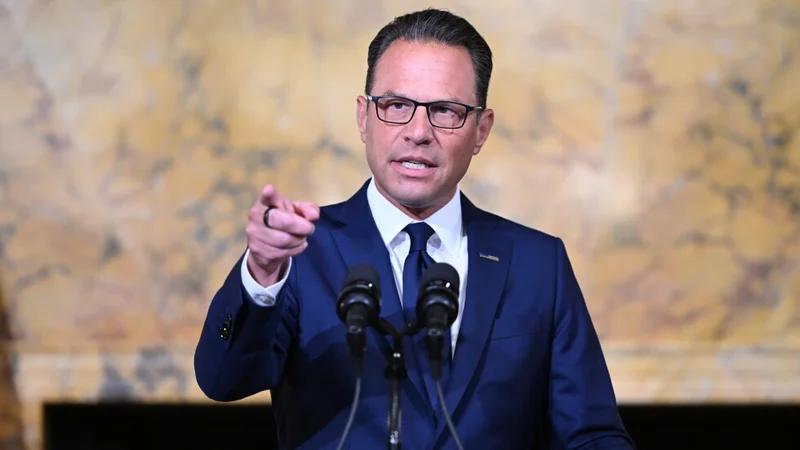
Image: Apnews
Main Takeaway
Pennsylvania Gov. Josh Shapiro signed an executive order requiring stricter power, environmental, consumer and community protections for data center projects.
Jump to Key PointsSummary
Shapiro changes course
Pennsylvania Gov. Josh Shapiro signed an executive order on Aug. 18 imposing new requirements on data center developers and directing state agencies to expand scrutiny of proposed projects. The order applies the state’s Governor’s Responsible Infrastructure Development, or GRID, standards to data centers seeking permits or Commonwealth support.
The action marks a sharper stance from Shapiro, who previously promoted data center investment as an economic opportunity. He said Pennsylvania would not be bullied by developers and described the new framework as the nation’s strictest guardrails. NBC News characterized the shift as a response to what Shapiro called predatory proposals and growing concern over projects that could burden communities.
What the order requires
The GRID framework centers on who pays for the infrastructure that data centers require. Developers must address their power needs, meet clean-energy standards and show that projects won't shift costs onto Pennsylvania ratepayers, according to the state Department of Community and Economic Development and the Environmental Defense Fund.
The standards also cover environmental safeguards, transparency, local participation and job creation. The executive order directs Commonwealth agencies to apply those requirements when reviewing permits, while the state’s earlier GRID announcement tied public support to compliance with the standards. That approach gives Pennsylvania agencies a formal basis for evaluating projects before public incentives or approvals move ahead.
Pressure from communities
Pennsylvania has more than 100 data center proposals, according to 6abc, giving the order significance beyond a single development dispute. Large facilities consume substantial amounts of electricity and can bring new transmission, generation, water and land-use demands to host communities.
Local opposition has intensified as residents weigh promised jobs and tax revenue against noise, construction, utility costs and environmental effects. Bloomberg AI described Shapiro’s action as responding to rising opposition, while national coverage from The Associated Press and Fortune connected Pennsylvania’s debate to a broader political backlash against energy-intensive facilities built to support artificial intelligence and cloud computing.
The political stakes
Data centers have become an election issue for governors because their benefits and costs are distributed unevenly. Developers and technology companies seek rapid construction and reliable power, while residents and utility customers are pressing officials to show that projects won't raise household bills or weaken environmental protections.
Shapiro’s new language places him among governors taking a harder line as the 2026 midterm elections approach. Fortune reported that Pennsylvania Republican gubernatorial candidate Stacy Garrity blamed Shapiro for helping create the disorder surrounding data center proposals. The dispute reflects a broader challenge for state leaders: attract investment tied to AI while answering voters who see the facilities as large industrial projects with limited local control.
What developers face next
Data center companies in Pennsylvania now face a more demanding approval process, with state agencies expected to examine power arrangements, clean-energy commitments, consumer effects, environmental protections and community benefits. Projects that fail to satisfy the standards won't receive the same fast-track treatment or state support.
The framework shifts negotiations toward project-specific accountability. Developers must show how facilities will secure electricity and protect ratepayers, while communities gain a clearer basis for reviewing local consequences. The scale of the proposal pipeline means implementation will matter as much as the executive order itself. Agencies, utilities and local governments will determine how the standards translate into permits, contracts and construction schedules.
A test for AI infrastructure
Pennsylvania’s order adds a prominent state-level response to the infrastructure demands of AI. Data centers are essential to training and running models, cloud services and other digital products, but their electricity needs have made siting decisions politically volatile across the United States.
The policy tests whether states can capture economic benefits without making residents absorb the costs. Pennsylvania is keeping the door open to development, but the GRID standards make approval dependent on stronger commitments from developers. That balance will shape whether projects proceed at scale, whether companies redirect investment elsewhere and whether other governors adopt similar rules.
Key Points
Josh Shapiro signed Pennsylvania Executive Order 2026-05 imposing stricter requirements on data center proposals.
GRID standards require developers to address power, clean energy, ratepayer protection and environmental safeguards.
Pennsylvania has more than 100 data center proposals facing expanded state review.
The order reflects growing political backlash against electricity-intensive AI and cloud infrastructure projects.
Developers seeking permits or Commonwealth support must provide greater transparency and community benefits.
Questions Answered
Josh Shapiro’s order directs Pennsylvania agencies to apply GRID standards to data center proposals. The rules expand review of power use, clean energy, ratepayer impacts, environmental protections and community benefits.
Josh Shapiro is responding to concerns about electricity demand, utility costs, environmental effects and local opposition. The order also addresses complaints that developers receive benefits while communities carry infrastructure costs.
Pennsylvania’s GRID standards require responsible infrastructure planning, including power and clean-energy commitments, consumer protections, environmental safeguards, transparency and local economic benefits. Compliance is tied to permits and Commonwealth support.
Pennsylvania has more than 100 data center proposals, according to 6abc. The large pipeline makes the executive order significant for utilities, developers and communities evaluating new facilities.
Josh Shapiro’s order does not ban data centers in Pennsylvania. It raises approval requirements and removes fast-track treatment or state support for projects that fail to meet the GRID standards.
Source Reliability
54% of sources are highly trusted · Avg reliability: 83
Go deeper with Organic Intel
Simple AI systems for your life, work, and business. Each one includes copyable prompts, guides, and downloadable resources.
Explore Systems